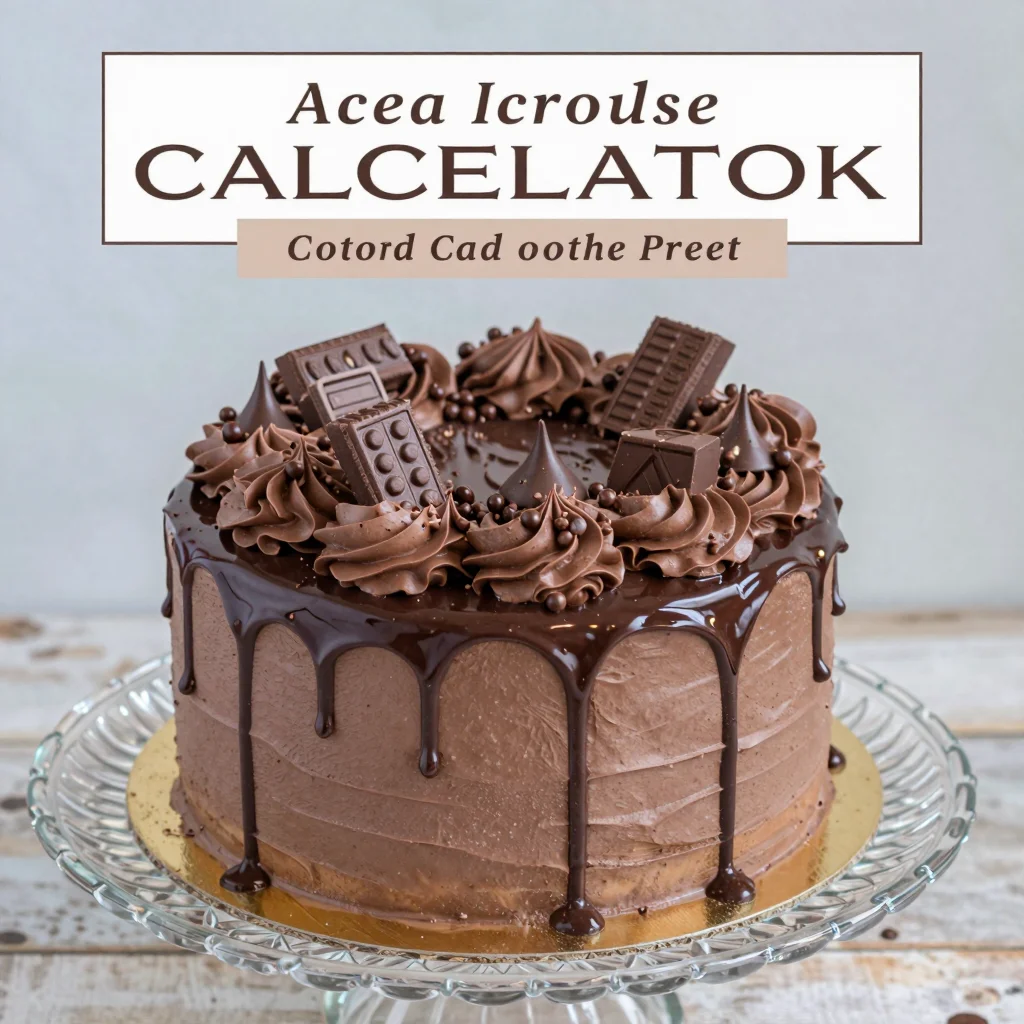
Ingredients
Method
- Step 1: Calculate Your Cost of Goods Sold (COGS) by itemizing all direct ingredients, materials, and estimated utility costs per cake.
- Step 2: Determine Your Hourly Rate, considering your skill, experience, and local cost of living.
- Step 3: Estimate Labor Hours for all aspects of cake creation, then multiply by your hourly rate to get the Labor Cost.
- Step 4: Allocate Overhead Costs by dividing total monthly overhead expenses by the average number of cakes produced per month.
- Step 5: Calculate Your Base Cost by adding COGS, Labor Cost, and Allocated Overhead Cost.
- Step 6: Apply Your Desired Profit Margin by multiplying your Base Cost by (1 + your profit margin percentage).
- Step 7: Conduct Market Research and Adjust your price based on competitor pricing, market demand, and unique selling propositions.
- Step 8: Factor in Customization and Complexity by adding charges for intricate details, specialized ingredients, or expedited orders.
- Step 9: Review and Refine Regularly by re-evaluating costs, hourly rate, and market conditions to ensure competitive and profitable pricing.
Notes
This recipe is a comprehensive guide on how to price cakes for a business, rather than a traditional food recipe. Therefore, 'cost' refers to the guide's conceptual nature, and 'nutrition' values are not applicable.