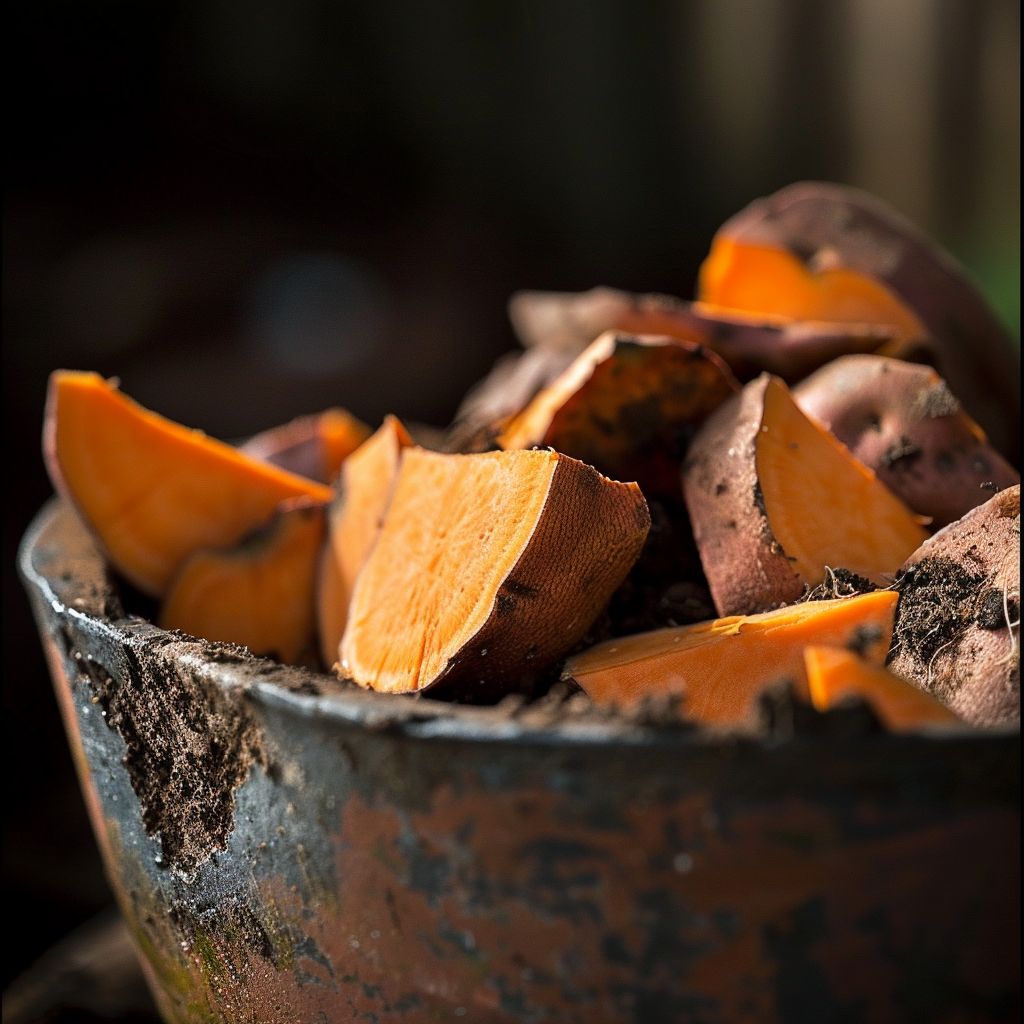
Your Complete Guide to Growing Sweet Potatoes
Welcome to your journey of growing sweet potatoes! These delicious tubers are not only a treat for the taste buds but also a rewarding experience for any home gardener. In this comprehensive guide, I’ll walk you through everything you need to know—from selecting the right sweet potato slips to harvesting your bounty. So, let’s dig in and make this a fun adventure!
Why You’ll Love Growing Sweet Potatoes
Before we dive into the how-tos, let’s talk about why sweet potatoes are a fantastic addition to your garden:
- Nutritious goodness: Sweet potatoes are packed with vitamins A and C, fiber, and antioxidants, making them a superfood for your meals.
- Easy to grow: With the right conditions and care, sweet potatoes are forgiving and can thrive even in less-than-perfect soil.
- Versatile in the kitchen: From sweet potato fries to casseroles, there are endless ways to enjoy your harvest.
- Beautiful vines: Their lush, green foliage adds beauty to your garden space throughout the growing season.
- Fun for the family: Involving kids in planting and harvesting can create lasting memories and teach them about gardening.
Ingredients Needed for Growing Sweet Potatoes
Growing sweet potatoes starts with the right ingredients! Here’s what you’ll need:
- Sweet potato slips: Young plants that are ready for planting. You can purchase these or grow your own from a healthy sweet potato.
- Well-draining soil: Sweet potatoes prefer loose, sandy loam that drains well to prevent rot.
- Compost or organic fertilizer: To enrich the soil with nutrients essential for healthy growth.
- Water: Regular watering is crucial, especially during dry spells.
Steps to Grow Sweet Potatoes
Ready to get your hands dirty? Follow these steps for successful sweet potato cultivation!
- Choose a sunny location: Sweet potatoes thrive in full sun, so aim for at least 6 hours of sunlight daily.
- Prepare the soil: Mix compost or organic fertilizer into the soil to ensure your sweet potatoes have the nutrients they need.
- Plant sweet potato slips: Space them 12-18 inches apart and bury the roots deep enough to cover them completely.
- Water thoroughly: After planting, give them a good soak to help them settle in.
- Maintain moisture: Keep the soil consistently moist but not waterlogged. Mulching can help retain moisture.
- Monitor for pests: Check regularly for pests and diseases. Early intervention is key!
- Harvest when ready: Sweet potatoes are typically ready to harvest 90-120 days after planting when the leaves start to yellow.
Pro Tips for Growing Sweet Potatoes
Here are some expert insights to enhance your sweet potato growing experience:
- Soil pH: Aim for a soil pH of 5.8 to 6.2 for optimal growth.
- Starting slips: If you’re growing your own slips, place a sweet potato in water with half submerged for roots to develop.
- Spacing matters: Adequate spacing allows air circulation, reducing the risk of disease.
- Pest control: Use organic methods like neem oil to deter pests without chemicals.
- Timing is key: Plant sweet potatoes after the last frost for the best results.
- Harvest gently: Use a fork to lift the sweet potatoes from the ground without damaging them.
- Storage tips: Cure harvested sweet potatoes in a warm, humid place for a week to enhance their sweetness.
- Varietal selection: Experiment with different varieties like Beauregard or Japanese sweet potatoes for diverse flavors.
Common Mistakes and Troubleshooting
Even seasoned gardeners can face challenges. Here are some common mistakes and how to avoid them:
- Overwatering: Too much moisture can lead to rot. Ensure your soil drains well.
- Planting too early: Wait until the soil warms up to at least 65°F before planting.
- Neglecting pests: Regular checks can help you catch problems early before they escalate.
- Ignoring spacing: Too close planting can hinder growth. Stick to recommended distances.
Variations of Sweet Potatoes to Grow
Sweet potatoes come in various colors and flavors, so why not try a few different types? Here are some popular variations:
- Beauregard: Known for its sweet flavor and orange flesh, it’s a favorite among gardeners.
- Japanese Sweet Potatoes: With purple skin and white flesh, they offer a unique taste and texture.
- White Sweet Potatoes: These have a creamy texture and a mild flavor, great for savory dishes.
- O’Henry: Creamy white flesh with a sweet flavor, perfect for baking and mashing.
Storage and Make-Ahead Instructions
Once you’ve harvested your sweet potatoes, proper storage is crucial:
- Curate for flavor: Cure sweet potatoes in a warm, humid place for about a week to enhance their sweetness.
- Store in a cool, dark place: Keep them in a pantry or cellar at 55-60°F for optimal storage.
- Avoid refrigeration: Storing sweet potatoes in the fridge can alter their flavor and texture.
Frequently Asked Questions
Got questions? I’ve got answers! Here are some common queries about growing sweet potatoes:
- Can I grow sweet potatoes in containers? Yes! Choose a large container with good drainage and enough depth for the roots.
- How long do sweet potatoes take to grow? Typically, sweet potatoes take about 90-120 days from planting to harvest.
- What’s the best time to plant sweet potatoes? Plant them after the last frost in spring when the soil is warm.
- Can I grow sweet potatoes from store-bought tubers? Yes, but it’s best to use organic ones to avoid chemicals. Cut them in half and grow slips.
- What pests should I watch out for? Common pests include sweet potato weevils and aphids. Early detection is crucial!
- How do I know when to harvest? Harvest when the leaves start to yellow, usually around 90-120 days after planting.
- Can I freeze sweet potatoes? Yes, but it’s best to cook them first before freezing for best texture.
- Do sweet potatoes need a lot of water? They need consistent moisture but avoid waterlogging; well-draining soil is crucial.
Nutritional Tips and Dietary Adaptations
Sweet potatoes are not just delicious; they’re also incredibly nutritious! Here’s how to enjoy them while keeping health in mind:
- High in fiber: Perfect for digestive health, sweet potatoes help keep your gut happy.
- Low glycemic index: They are a great option for those monitoring blood sugar levels.
- Gluten-free goodness: Naturally gluten-free, they can be enjoyed by everyone!
Equipment Recommendations
Having the right tools can make your gardening experience smoother. Here’s what I recommend:
- Garden fork: Essential for harvesting sweet potatoes without damaging them.
- Watering can or hose: To keep your plants hydrated, especially during dry spells.
- Mulch: Helps retain moisture and control weeds around your sweet potato plants.
Serving Suggestions for Your Harvest
Now that you’ve got your sweet potatoes, how will you enjoy them? Here are some ideas:
- Sweet potato fries: Cut into sticks, toss with olive oil, and bake for a crispy treat.
- Mashed sweet potatoes: Creamy and comforting, perfect as a side dish.
- Sweet potato casserole: A holiday favorite, topped with marshmallows or pecans.
- Roasted sweet potatoes: Dice and roast with herbs for a delicious side dish.
Growing sweet potatoes is a delightful and fulfilling experience that brings joy and nourishment to your table. Remember, it’s all about enjoying the process and celebrating each step. Happy gardening, and may your sweet potatoes flourish!
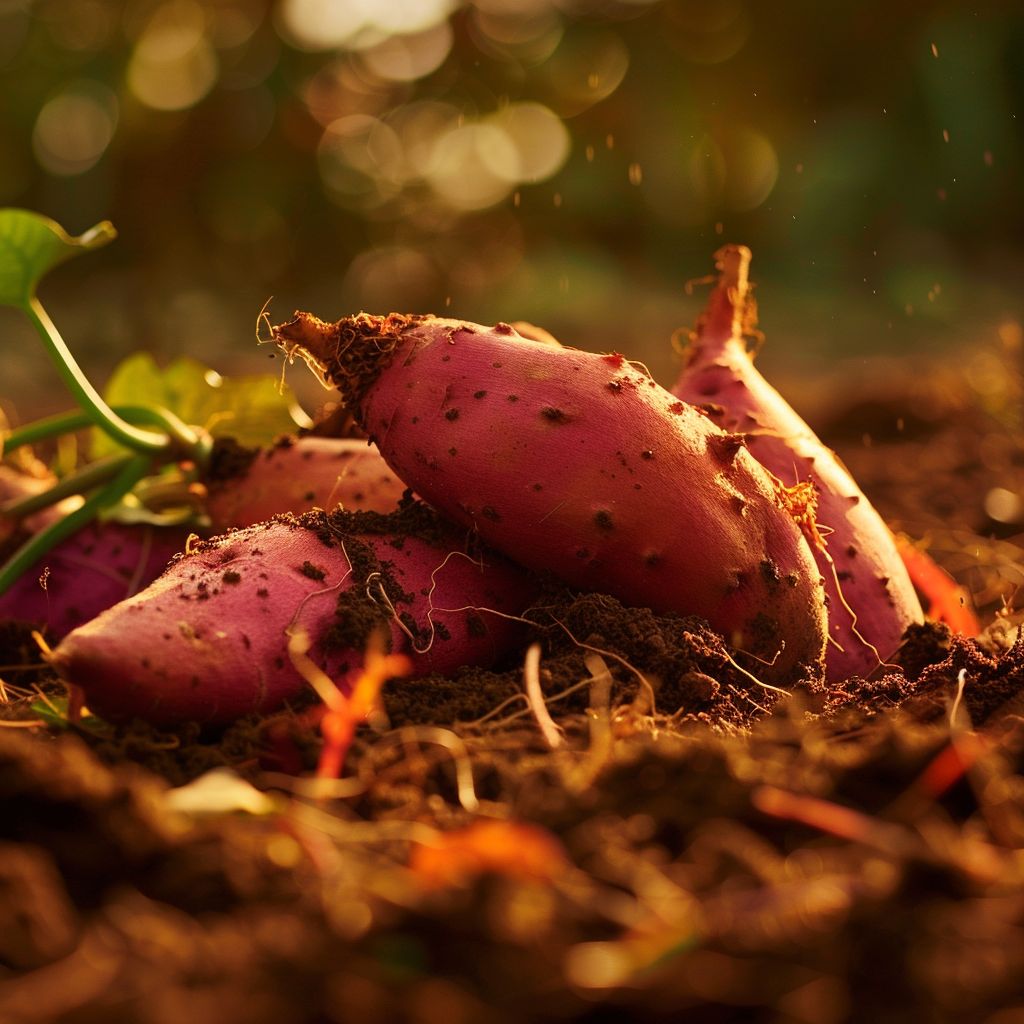

How to Grow Sweet Potatoes
Ingredients
Method
- Choose a sunny spot with well-draining soil.
- Mix compost or fertilizer into the soil.
- Plant slips 12-18 inches apart, covering roots.
- Water thoroughly after planting.
- Keep soil moist and monitor for pests.
- Harvest when leaves yellow, after 90-120 days.
Notes
Loved this recipe? Save it to your favorite Pinterest board so you can easily find it later! ✨