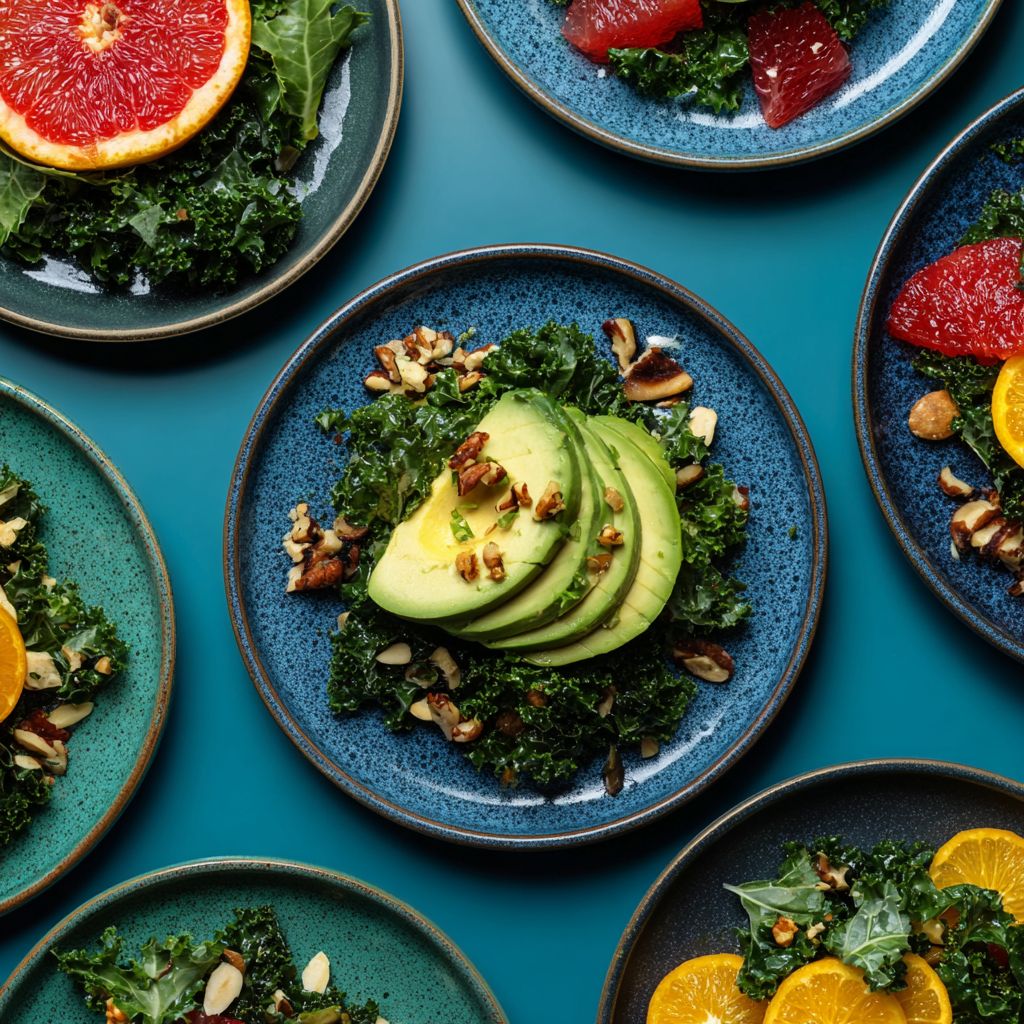
Embracing the Healing Power of Food: A Journey into ‘Food as Medicine’
In a world where convenience often overshadows quality, the concept of ‘food as medicine’ stands as a powerful reminder of the deep connection between what we eat and our overall health. This idea extends beyond mere nutrition; it is about understanding the profound impact of our food choices on our bodies and minds. In this article, we will explore the rich history and practical applications of this philosophy, uncovering how we can harness its transformative power for holistic well-being.
From ancient traditions to modern scientific insights, the notion that food can heal is rooted in cultures worldwide. As we delve into this topic, you will discover not only the benefits of adopting a ‘food as medicine’ approach but also practical tips to incorporate this philosophy into your daily life.
Why You’ll Love This Approach
Adopting the ‘food as medicine’ philosophy can profoundly enhance your health and lifestyle. Here are several compelling reasons to embrace this approach:
- Holistic Wellness: This philosophy promotes the idea that health is not merely the absence of illness but a state of complete physical, mental, and social well-being, achieved through mindful eating.
- Empowerment through Nutrition: It encourages individuals to become active participants in their health journeys by understanding the role of food in disease prevention and management.
- Prevention First: A diet rich in nutrient-dense foods can help prevent chronic diseases such as diabetes, heart disease, and obesity, leading to a longer, healthier life.
- Sustainable Living: By focusing on whole foods and traditional cooking methods, you contribute to sustainable agriculture and reduced environmental impact.
- Cultural Connection: Engaging with food as medicine fosters a deeper appreciation for culinary traditions and cultural heritage, preserving valuable knowledge.
The Roots of ‘Food as Medicine’
The philosophy of ‘food as medicine’ is not a modern invention but rather a time-honored practice rooted in various ancient cultures. From the ancient Greeks, who believed in the healing properties of specific foods, to Traditional Chinese Medicine (TCM), which emphasizes balance and the use of food to nourish the body, this approach has stood the test of time.
In TCM, for example, the idea of food as medicine is integral to maintaining harmony between the body and the environment. Similarly, Ayurveda, the ancient Indian healing system, promotes the idea that food is a form of medicine tailored to one’s unique constitution.
How ‘Food as Medicine’ Can Help Prevent Disease
Research continues to unveil the significant role that diet plays in preventing various diseases. Here are some ways in which adopting a ‘food as medicine’ approach can be beneficial:
- Anti-Inflammatory Foods: Incorporating foods rich in antioxidants, such as berries, leafy greens, and nuts, can help reduce inflammation, a common precursor to chronic diseases.
- Gut Health: Foods high in fiber, such as whole grains and legumes, support gut health by promoting beneficial bacteria, which play a vital role in digestion and overall health.
- Heart Health: A diet rich in omega-3 fatty acids, found in fatty fish, walnuts, and flaxseeds, can lower cholesterol levels and reduce the risk of heart disease.
- Blood Sugar Control: Whole foods, particularly those low in refined sugars, help stabilize blood sugar levels, reducing the risk of type 2 diabetes.
- Weight Management: By focusing on nutrient-dense foods rather than empty calories, you can effectively manage your weight and improve your overall health.
Foods That Fit into a ‘Food as Medicine’ Approach
Understanding which foods to incorporate into your diet is essential for maximizing the benefits of the ‘food as medicine’ philosophy. Here are some categories of foods to include:
- Leafy Greens: Spinach, kale, and Swiss chard are packed with vitamins, minerals, and antioxidants that promote overall health.
- Colorful Fruits: Berries, citrus, and other vibrant fruits provide essential nutrients and phytonutrients that support immune function and reduce inflammation.
- Healthy Fats: Incorporate sources of healthy fats such as avocados, olives, and nuts to support heart health and brain function.
- Whole Grains: Foods like quinoa, brown rice, and oats are excellent for providing sustained energy and supporting digestion.
- Herbs and Spices: Culinary herbs such as turmeric, ginger, and garlic not only enhance flavor but also offer numerous health benefits.
7 Tips for Starting a ‘Food as Medicine’ Approach
Transitioning to a ‘food as medicine’ lifestyle doesn’t have to be overwhelming. Here are seven actionable tips to get you started:
- Start Small: Overhauling your entire diet can be daunting. Begin by replacing one processed food item with a whole food each week.
- Plan Your Meals: Take time each week to plan meals that incorporate a variety of nutrient-dense ingredients, ensuring a balance of macronutrients.
- Cook at Home: Preparing meals at home allows you to control the ingredients and make healthier choices.
- Experiment with New Recipes: Explore new cuisines and recipes that emphasize whole, unprocessed ingredients for a diverse diet.
- Stay Hydrated: Drinking plenty of water is crucial for overall health; consider infusing it with fruits or herbs for added flavor.
- Mindful Eating: Pay attention to portion sizes and savor your meals, which can enhance your enjoyment and satisfaction.
- Seek Support: Join community groups or online forums focused on healthy eating to share tips and experiences.
Recipe: Nourishing Legacies: The Transformative Power of Food as Medicine
To illustrate the principles of ‘food as medicine,’ here’s a nourishing recipe that embodies these values:
Ingredients:
- 1 cup leafy greens (spinach, kale, or arugula)
- 1/2 cup berries (blueberries, strawberries, or raspberries)
- 1/4 cup nuts (walnuts or almonds)
- 1 tablespoon olive oil
- 1 tablespoon apple cider vinegar
- 1 teaspoon honey (optional)
- Salt and pepper to taste
Steps:
- Wash and dry the leafy greens thoroughly.
- In a large bowl, combine the leafy greens and berries.
- Chop the nuts coarsely and add them to the bowl.
- In a small bowl, whisk together olive oil, apple cider vinegar, honey (if using), salt, and pepper.
- Drizzle the dressing over the salad and toss gently to combine.
- Serve immediately and enjoy the health benefits of this nutrient-rich dish.
Common Mistakes and Troubleshooting
As you embark on this journey, it’s essential to recognize common pitfalls and how to avoid them:
- Neglecting Variety: Eating a limited range of foods can lead to nutrient deficiencies; ensure your diet includes diverse food groups.
- Overcomplicating Meals: Simple, wholesome meals can be just as nourishing—don’t feel pressured to create elaborate dishes.
- Ignoring Portion Sizes: While whole foods are healthier, they can still contribute to weight gain if consumed in large quantities.
Variations of the Recipe
To keep your meals exciting, consider these variations:
- Protein Boost: Add grilled chicken or chickpeas for an extra protein kick.
- Grain Base: Serve the salad over quinoa or brown rice for added texture and nutrients.
- Spice it Up: Incorporate a pinch of cayenne or fresh herbs for additional flavor.
- Seasonal Ingredients: Swap in seasonal fruits and vegetables to keep the recipe fresh year-round.
Storage and Make-Ahead Instructions
This salad can be prepared in advance for quick meals:
- Store components separately to maintain freshness. Combine just before serving.
- Keep the dressing in a sealed container in the refrigerator for up to one week.
Nutrition Tips and Dietary Adaptations
To maximize the health benefits of your meals:
- For vegan options, substitute honey with maple syrup or agave nectar.
- Ensure you are consuming a variety of colors on your plate to cover a broad spectrum of nutrients.
Frequently Asked Questions
Here are some common questions about the ‘food as medicine’ approach:
- Can I really prevent diseases with my diet? Yes, a balanced diet rich in whole foods can significantly lower your risk of chronic diseases.
- What are some easy ways to incorporate more fruits and vegetables? Start with adding one serving of fruits or vegetables to each meal.
- How do I know what foods are best for my health? Consult with a healthcare professional or a nutritionist for personalized advice.
- Is it necessary to give up all processed foods? Moderation is key; focus on reducing processed foods while increasing whole foods.
- What if I have dietary restrictions? There are plenty of alternatives available for most dietary needs, including gluten-free and dairy-free options.
- How can I find support? Look for local or online communities focused on healthy eating and lifestyle changes.
- Are supplements necessary? While a balanced diet should provide most nutrients, some individuals may benefit from supplements; consult a healthcare provider.
- How can I stay motivated? Set personal goals, celebrate small victories, and surround yourself with supportive individuals.
Conclusion
Embracing the philosophy of ‘food as medicine’ is not just about eating; it’s about cultivating a deeper understanding of the relationship between food and health. By incorporating whole, nutrient-dense foods into your diet, you can empower yourself to take charge of your health and well-being. This journey is an opportunity to honor the legacy of traditional culinary practices while making intentional choices for a healthier future. As we celebrate the art of food, we simultaneously nurture our bodies and souls, leaving a legacy of health for generations to come.
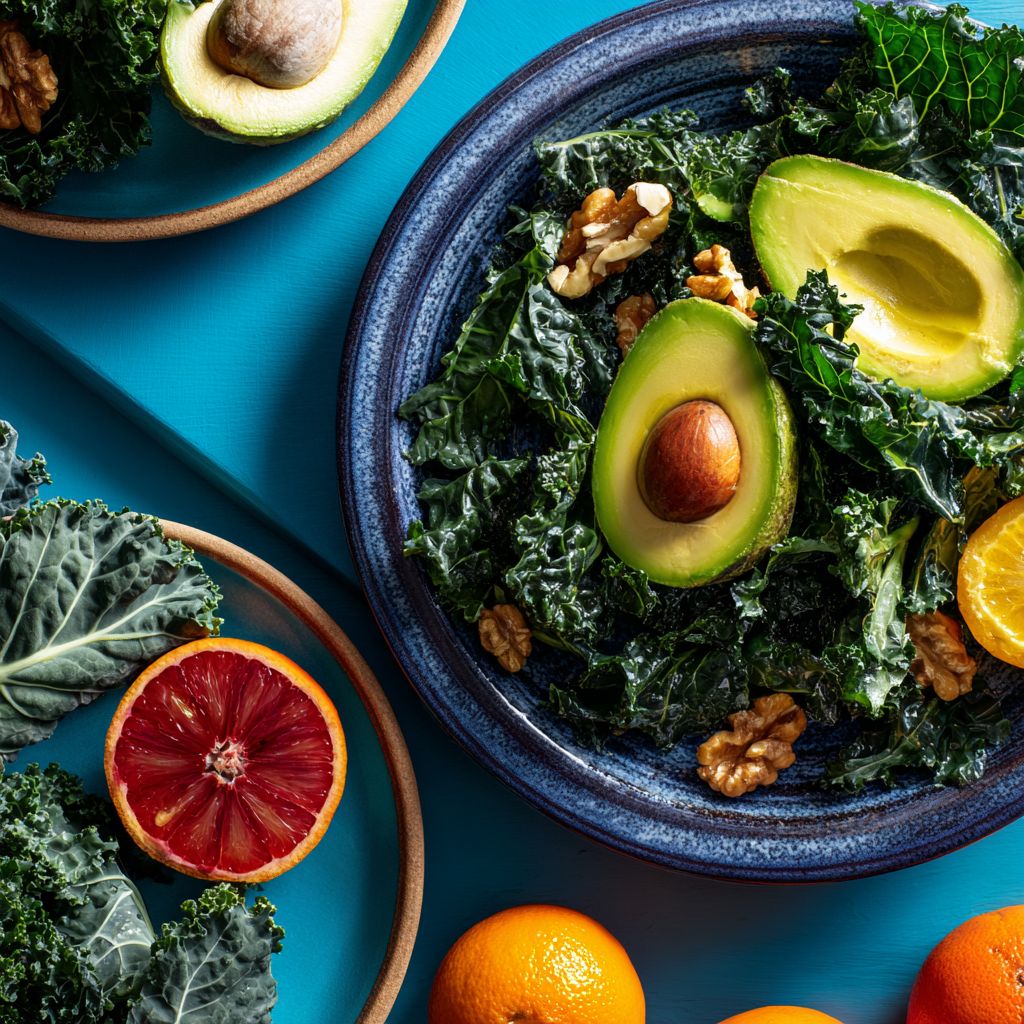
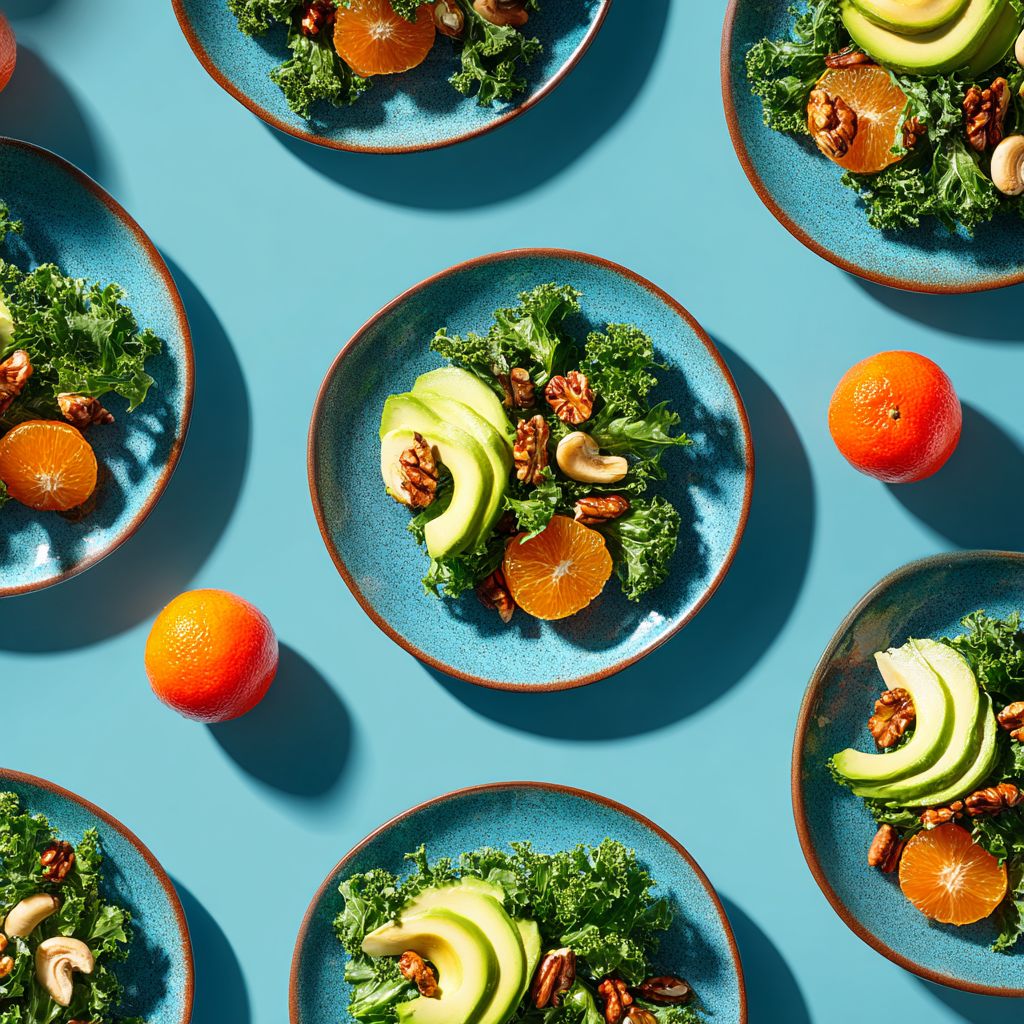
Food as Medicine: What It Means and How to Reap the Benefits
Ingredients
Method
- Wash and dry the leafy greens thoroughly.
- Combine greens and berries in a large bowl.
- Chop nuts and add to the bowl.
- Whisk olive oil, vinegar, honey, salt, and pepper; drizzle over salad.
- Toss gently and serve immediately.
Notes
Loved this recipe? Save it to your favorite Pinterest board so you can easily find it later! ✨