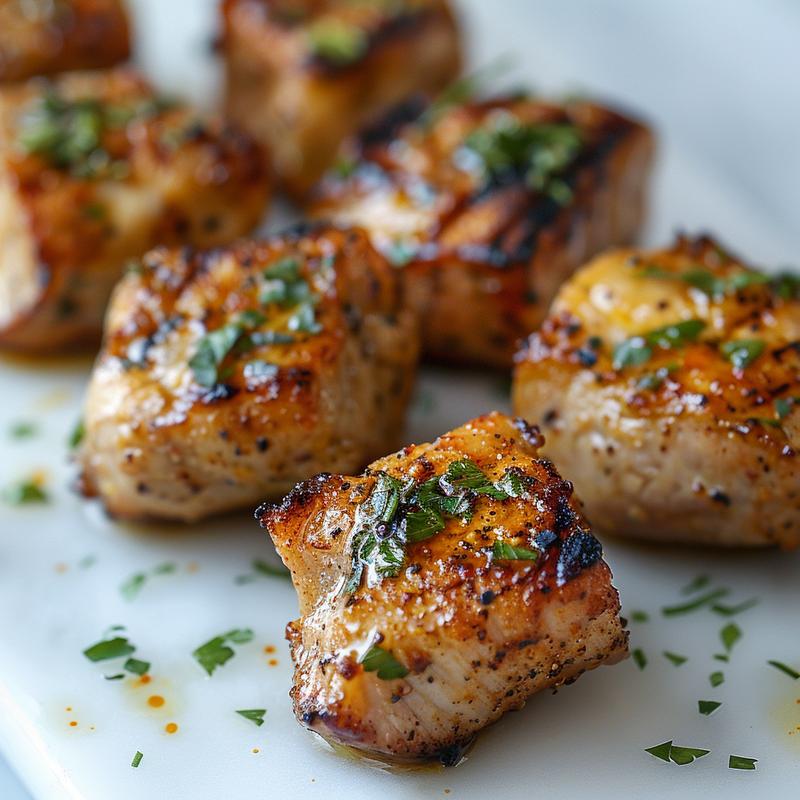
Discover the Best Diabetes-Friendly Dinner Recipes for Blood Sugar Control
In a world where meal planning often feels overwhelming, especially for those managing diabetes, finding recipes that are both delicious and beneficial for blood sugar control is vital. This article presents a curated collection of 15 easy-to-prepare dinner recipes that blend flavor, nutrition, and convenience. Packed with lean proteins, vibrant vegetables, and healthy fats, these dishes are designed to cater to your dietary needs while tantalizing your palate. Each recipe emphasizes a low-carb approach, making them ideal for individuals with diabetes, prediabetes, or insulin resistance.
As you embark on this culinary journey, not only will you discover mouthwatering meals, but you’ll also gain insights into the essential components of a diabetes-friendly diet. From the importance of balanced portions to the role of hydration, let’s explore why these recipes are a great addition to your meal rotation.
Why You’ll Love These Recipes
These recipes are more than just meals; they are a pathway to improved health and well-being. Here are five compelling reasons to embrace them:
- Blood Sugar Balance: Each recipe is crafted to include low glycemic index ingredients, helping to stabilize blood sugar levels.
- Flavorful Variety: You won’t miss out on taste! These dishes feature herbs, spices, and fresh ingredients that elevate every bite.
- Easy Preparation: With straightforward instructions, these recipes are perfect for busy weeknights or leisurely weekends.
- Nutritional Benefits: Each meal is designed with heart-healthy fats, lean proteins, and plenty of vegetables to support overall health.
- Flexibility: Many recipes offer variations and substitutions, making it easy to adapt to your preferences or what you have on hand.
Ingredient Breakdown
Understanding the ingredients is crucial for making informed choices in your meal preparations. Here’s a detailed look at the key components of our recipes:
- Lean Proteins: Chicken, turkey, and fish provide essential amino acids while keeping fat content low.
- Healthy Fats: Ingredients like olive oil and avocado not only add flavor but also promote heart health.
- Fiber-Rich Vegetables: Incorporating a variety of vegetables helps with digestion and provides important vitamins and minerals.
- Low-Carb Options: Swapping traditional grains for alternatives like cauliflower rice or zucchini noodles keeps carbs in check.
Pro Tips for Success
To ensure your cooking experience is smooth and enjoyable, here are some expert insights:
- Prep Ahead: Chop vegetables and marinate proteins in advance to save time on busy nights.
- Use Fresh Ingredients: Whenever possible, opt for fresh vegetables and herbs to enhance flavor and nutritional value.
- Cook in Batches: Preparing larger portions allows for easy leftovers that can be enjoyed later in the week.
- Monitor Portions: Use measuring cups or a food scale to keep servings in check, especially with higher-calorie ingredients.
- Experiment with Spices: Don’t shy away from using herbs and spices to add depth and complexity to your dishes.
- Stay Hydrated: Drink plenty of water throughout the day to support overall health and digestion.
- Mindful Eating: Pay attention to your hunger cues and eat slowly to enjoy your meals fully.
- Incorporate Variety: Rotate different recipes weekly to prevent meal fatigue and ensure a wide range of nutrients.
Common Mistakes and Troubleshooting
Even the most seasoned cooks can run into challenges. Here are some common pitfalls and how to avoid them:
- Overcooking Proteins: Chicken and fish can become dry if overcooked. Use a meat thermometer to check for doneness.
- Neglecting Seasoning: Under-seasoned dishes can feel bland. Always taste and adjust seasoning before serving.
- Skipping Vegetables: Make vegetables half of your plate to ensure a balanced meal. Aim for a rainbow of colors for maximum nutrition.
- Ignoring Label Ingredients: When using pre-packaged items, check for hidden sugars and unhealthy fats.
Recipe Variations
Flexibility is key in cooking. Here are some variations to consider for each recipe:
- Protein Swaps: Substitute chicken with turkey, tofu, or tempeh for a plant-based option.
- Vegetable Choices: Feel free to mix and match vegetables based on seasonal availability or personal preference.
- Flavor Enhancements: Add zest with citrus, a splash of balsamic vinegar, or a sprinkle of cheese.
- Heat Levels: Adjust the spice levels to your liking; add chili flakes for heat or keep it mild.
Storage and Make-Ahead Instructions
Planning ahead can make your week smoother. Here’s how to store and prepare these meals:
- Refrigeration: Store leftovers in airtight containers in the refrigerator for up to four days.
- Freezing: Many recipes freeze well. Portion out servings in freezer-safe containers for up to three months.
- Reheating: Gently reheat in the microwave or on the stovetop to maintain texture and flavor.
- Make-Ahead: Many dishes can be prepared a day in advance. Simply reheat and serve for a quick meal.
Frequently Asked Questions
To help you navigate your cooking journey, here are answers to common questions:
- What are the best cooking oils for diabetes? Olive oil, avocado oil, and coconut oil are excellent choices due to their healthy fat profiles.
- Can I eat carbs if I have diabetes? Yes, but focus on fiber-rich, whole food sources like vegetables, legumes, and whole grains.
- How can I ensure my meals are balanced? Aim for a plate that’s half non-starchy vegetables, a quarter lean protein, and a quarter healthy carbs.
- Are there specific foods to avoid? Minimize refined sugars, white bread, and high-glycemic-index foods.
- What snacks are good for blood sugar control? Nuts, seeds, Greek yogurt, and raw vegetables are great options.
- How can I enhance the flavor of my meals? Use herbs, spices, and fresh ingredients to elevate taste without adding extra calories.
- Is it safe to meal prep for the week? Absolutely! Just ensure proper storage and reheating techniques.
- How important is hydration for managing diabetes? Staying hydrated supports overall health and can help regulate blood sugar levels.
Nutritional Tips and Dietary Adaptations
Consider these additional tips when preparing your meals:
- Incorporate Whole Foods: Focus on whole, unprocessed foods to maximize nutrient intake.
- Monitor Carbohydrate Intake: Be mindful of portion sizes and types of carbohydrates consumed.
- Choose Low-Glycemic Foods: Foods that have a low glycemic index can help maintain stable blood sugar levels.
- Consult a Dietitian: For personalized advice, consider consulting a healthcare professional or registered dietitian.
Recommended Equipment
Having the right tools can make your cooking experience more efficient:
- Sharp Knives: Essential for easy chopping and food preparation.
- Non-Stick Cookware: Helpful for reduced oil usage and easy cleanup.
- Measuring Cups and Spoons: Important for precise ingredient quantities.
- Food Processor: Great for quickly chopping vegetables or making sauces.
Serving Suggestions
Enhance your meals with these serving ideas:
- Pair with Salad: A fresh salad can complement any main dish and add crunch.
- Serve with Whole Grains: Quinoa, brown rice, or barley can make a hearty addition.
- Top with Fresh Herbs: Garnish with herbs like basil, cilantro, or parsley to brighten flavors.
- Use Colorful Plates: Serving on vibrant dinnerware can make meals more appealing.
Conclusion
Your journey towards better health doesn’t have to compromise flavor. With these diabetes-friendly dinner recipes, you can enjoy a variety of meals that not only taste great but also support blood sugar control. Embrace the art of cooking with intentionality and skill, and let each dish tell a story of nourishment and care. Remember, every meal is an opportunity to honor your health and celebrate the joy of cooking. So gather your ingredients, invite your loved ones to the table, and create lasting memories through the shared experience of food.
15 Dinner Recipes for Blood Sugar Control
Ingredients
Method
- Marinate chicken with olive oil, lemon, and seasonings. Grill for 6–8 minutes per side. Roast veggies at 400°F for 20 minutes.
- Bake salmon at 375°F for 15–18 minutes. Sauté garlic and spinach in olive oil. Serve with lemon.
- Brown turkey, add zucchini, tomatoes, and seasoning. Simmer for 10–15 minutes.
- Scramble egg, add veggies, shrimp, and cauliflower rice. Stir fry for 5–7 minutes.
- Sauté chicken in oil, add veggies and garlic-ginger. Stir fry until tender.
- Cook turkey with seasoning. Assemble bowls with lettuce, turkey, salsa, cheese, and avocado.
Notes
Loved this recipe? Save it to your favorite Pinterest board so you can easily find it later! ✨