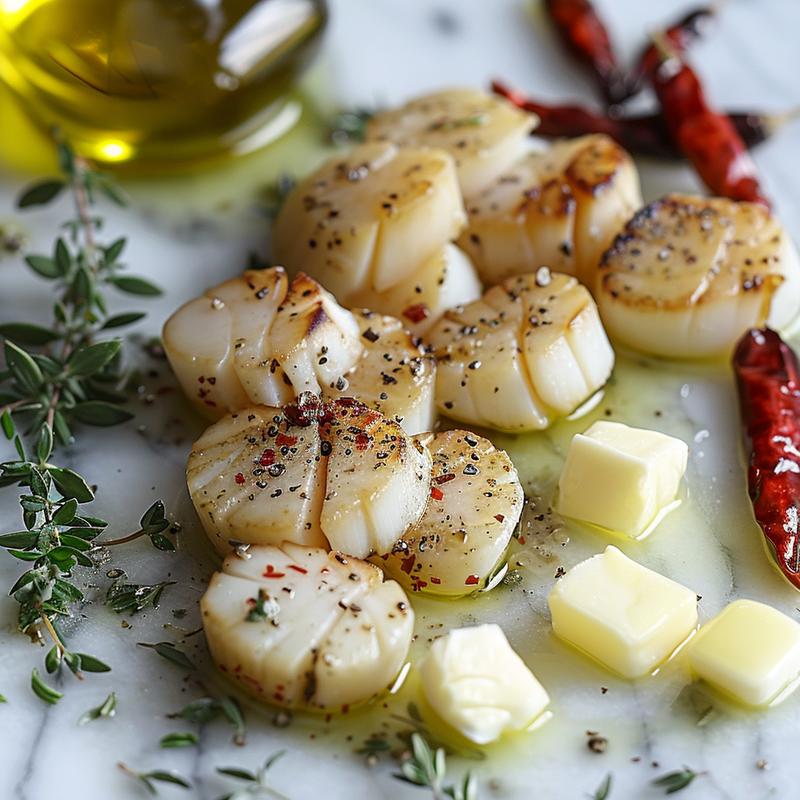
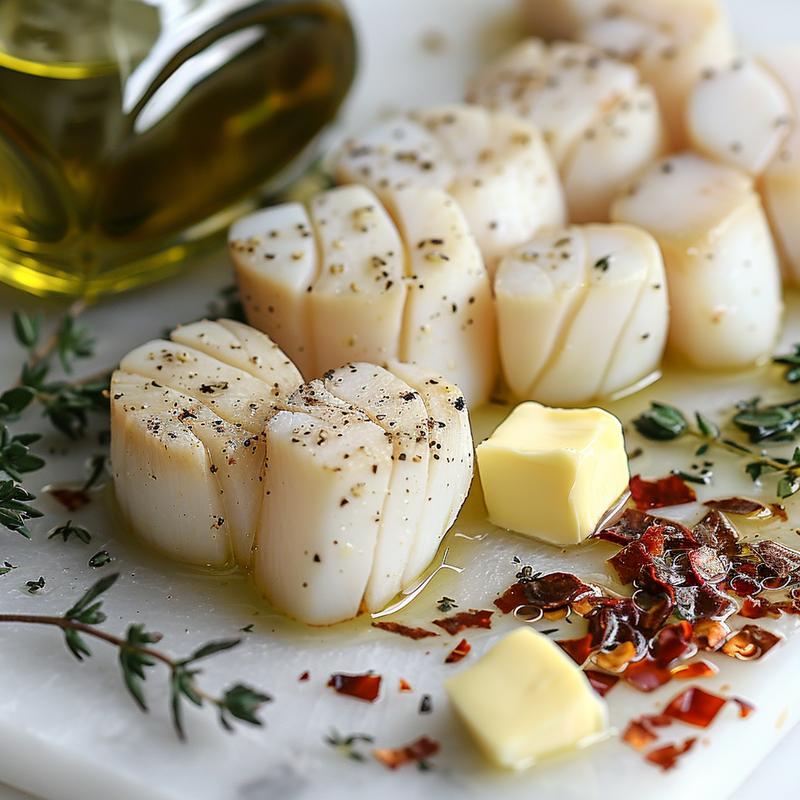
Welcome to The Artisan’s Ledger, where we believe in the enduring quality of intentional creation. Today, we’re diving into a culinary technique that elevates simple ingredients into an exquisite dish: cooking scallops. My grandfather always said, “The best meals are the ones made with care, not just ingredients.” This recipe embodies that philosophy. Learn how to cook scallops perfectly every time! This easy recipe will guide you to a restaurant-worthy dinner in just minutes. Impress your guests tonight!
Cooking scallops at home shouldn’t be intimidating. With a few simple steps and a little attention to detail, you can achieve perfectly seared scallops that rival those served in the finest restaurants. This guide will walk you through each stage, from selecting the best scallops to creating a flavorful pan sauce that complements their delicate sweetness.
Why You’ll Love This Recipe
This isn’t just another scallop recipe; it’s a masterclass in achieving restaurant-quality results in your own kitchen. Here’s why you’ll love it:
- Quick & Easy: From start to finish, you can have perfectly seared scallops on the table in under 15 minutes.
- Impressive Flavor: The combination of a perfectly seared crust and a delicate, buttery interior is simply irresistible.
- Versatile: Serve them as an appetizer, a main course, or even as part of a seafood pasta dish.
- Restaurant Quality: This method ensures that you achieve that coveted golden-brown crust and tender, juicy center every time, mirroring the standards of top restaurants.
This method focuses on achieving a beautiful sear while maintaining a tender interior. It’s about understanding the nuances of the cooking process and respecting the ingredients. When you cook scallops correctly, each bite is an experience.
Ingredients for Perfectly Seared Scallops
The quality of your ingredients is paramount. Here’s what you’ll need:
- 2 Tbsp. extra-virgin olive oil: Use a high-quality olive oil for the best flavor.
- Sea Scallops: Look for dry-packed scallops, which haven’t been treated with phosphates. This ensures a better sear. The scallops should be uniform in size for even cooking.
- 2 Tbsp. cold cubed butter: Cold butter is essential for creating a rich, emulsified pan sauce.
- Herbs or aromatics of your choosing: This is where you can get creative! Consider the following:
- Dried chile pepper: Adds a touch of heat.
- Sprigs of fresh rosemary and thyme: Provides an earthy, aromatic note.
- Capers: Adds a briny, salty pop.
- Smashed garlic clove: Infuses the butter with garlic flavor.
- Slice of citrus: Lemon or orange zest brightens the dish.
For the Pan Sauce (Optional)
- Lemon juice: Adds acidity and brightness.
- White grape juice: A touch of sweetness and complexity.
- Chicken or vegetable stock: Adds depth of flavor.
- Dry vermouth: Contributes a sophisticated, slightly bitter note.
- Pineapple juice: A tropical twist.
- 1–2 Tbsp. cold cubed butter: To finish the sauce and create a silky texture.
- Fresh herbs, like basil or cilantro: For a fresh, vibrant garnish.
- Salt and pepper: To taste.
Remember, the best ingredients yield the best results. Don’t skimp on quality, especially when it comes to the scallops themselves.
Step-by-Step Instructions: How To Cook Scallops
Follow these steps carefully to achieve perfectly seared scallops every time.
- Prepare the Scallops: Pat the scallops completely dry with paper towels. This is crucial for achieving a good sear. If you don’t dry them properly, they will steam instead of sear. Season generously with salt and pepper.
- Heat the Pan: In a large skillet, heat 2 Tbsp. extra-virgin olive oil over medium-high heat until the oil is very hot and shimmering. The pan is key; it needs to be hot enough to create a beautiful crust.
- Sear the Scallops: Use tongs to gently place the scallops in the pan, leaving plenty of room around each scallop. Overcrowding the pan will lower the temperature and prevent them from searing properly.
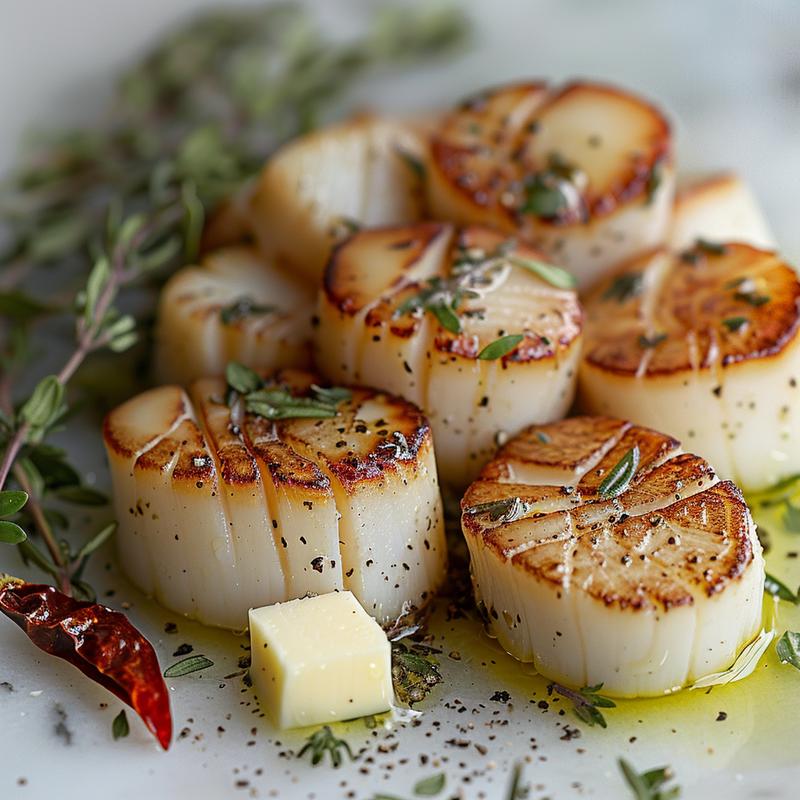
- Don’t Move Them!: Cook scallops, undisturbed (repeat: do not move them), until they are deeply golden-brown on the first side, 3–4 minutes. This is where patience is key. Resist the urge to peek or move them around.
- Flip and Baste: Carefully flip each scallop using tongs or a metal fish spatula. Add 2 Tbsp. cold cubed butter to the pan, along with any herbs or aromatics of your choosing.
- Aromatics: Try a dried chile pepper, sprigs of fresh rosemary and thyme, capers, a smashed garlic clove, or a slice of citrus.
- Baste Continuously: Use a large spoon to baste the scallops with the butter continuously while they finish cooking, 1–2 minutes more. Basting helps to cook the scallops evenly and adds flavor.
- Check for Doneness: If you’re not sure if the scallops are done, slice one in half to check: The flesh near the top and bottom edges should look opaque, but there should still be a faintly translucent strip in the middle. They should feel firm but springy to the touch.
- Rest: Remove the seared scallops from the pan and set them on your serving plate. This allows the juices to redistribute, resulting in a more tender scallop.
- Make a Pan Sauce (Optional): To turn seared scallops into a full meal, make a quick pan sauce.
- Add Liquid: Add a splash of liquid to the butter in the pan—you could use lemon juice, white grape juice, chicken or vegetable stock, dry vermouth, pineapple juice, etc., depending on what flavors would work with your dish.
- Reduce and Emulsify: Cook over medium heat for 2–3 minutes, scraping up any stuck-on bits from the bottom of the pan, then remove from heat and add 1–2 Tbsp. cold cubed butter, swirling to emulsify. This creates a luscious, flavorful sauce.
- Finish and Serve: If using, add fresh herbs, like basil or cilantro, and pour the pan sauce over the seared scallops. Serve immediately.
Each step is designed to build upon the last, creating a symphony of flavors and textures. Remember, cooking is as much about intuition as it is about following instructions. Use your senses to guide you.
Pro Tips for Perfect Scallops
Here are some additional tips to ensure your scallops are cooked to perfection:
- Buy Dry-Packed Scallops: As mentioned earlier, dry-packed scallops are crucial for achieving a good sear. Wet-packed scallops contain added water, which will prevent them from browning properly.
- Pat Dry, Pat Dry, Pat Dry: I can’t stress this enough. The drier the scallops, the better the sear. Use multiple layers of paper towels and press gently to remove excess moisture.
- Don’t Overcrowd the Pan: Cook the scallops in batches if necessary to avoid overcrowding the pan. This ensures that each scallop has enough room to sear properly.
- Use a Heavy-Bottomed Pan: A heavy-bottomed pan, such as cast iron or stainless steel, will distribute heat evenly and prevent hot spots.
- Don’t Overcook: Scallops cook quickly, so it’s important to keep a close eye on them. Overcooked scallops will be tough and rubbery.
- High Heat is Key: The high heat is essential for achieving that beautiful golden-brown crust. Make sure your pan is hot before adding the scallops.
- Use Tongs: Tongs allow you to gently place and flip the scallops without piercing them.
These tips are born from years of experience and countless batches of scallops. Trust them, and you’ll be well on your way to scallop perfection.
Common Mistakes to Avoid When Cooking Scallops
Even experienced cooks can make mistakes. Here are some common pitfalls to avoid:
- Not Drying the Scallops Thoroughly: This is the most common mistake. Wet scallops will steam instead of sear.
- Overcrowding the Pan: This lowers the temperature of the pan and prevents the scallops from browning properly.
- Overcooking the Scallops: This results in tough, rubbery scallops.
- Using Low Heat: Low heat will cause the scallops to steam instead of sear.
- Moving the Scallops Too Soon: Resist the urge to move the scallops around in the pan. Let them sear undisturbed for 3-4 minutes per side.
- Not Seasoning Properly: Season the scallops generously with salt and pepper before cooking.
Learning from mistakes is part of the journey. Don’t be discouraged if your first batch isn’t perfect. Keep practicing, and you’ll eventually master the art of cooking scallops.
Variations: Spice Up Your Scallop Game
Once you’ve mastered the basic technique, feel free to experiment with different flavors and ingredients. Here are a few ideas:
- Lemon-Garlic Scallops: Add minced garlic and lemon zest to the butter while basting the scallops.
- Spicy Scallops: Add a pinch of red pepper flakes or a drizzle of chili oil to the pan.
- Herb-Crusted Scallops: Dip the scallops in a mixture of breadcrumbs, herbs, and Parmesan cheese before searing.
- Bacon-Wrapped Scallops: Wrap each scallop in a strip of bacon before searing.
- Scallops with Brown Butter Sauce: Make a classic brown butter sauce with lemon juice and capers.
- Grilled Scallops: Thread scallops onto skewers, brush with olive oil, and grill over medium-high heat until cooked through.
The possibilities are endless! Don’t be afraid to get creative and experiment with different flavor combinations. The scallops are just the canvas; you are the artist.
Storing and Reheating Leftover Scallops
If you have any leftover scallops (though I doubt you will!), store them in an airtight container in the refrigerator for up to 2 days. To reheat, gently warm them in a skillet over low heat or in the microwave. Be careful not to overcook them, as they can become tough. It’s best to enjoy the scallops fresh, but leftovers can still be delicious.
Frequently Asked Questions (FAQ)
- What are the best scallops to use? Sea scallops are the best choice for searing. Look for dry-packed scallops that haven’t been treated with phosphates. Bay scallops are smaller and sweeter, but they don’t sear as well.
- How do I know when the scallops are done? The scallops are done when they are opaque around the edges and slightly translucent in the center. They should feel firm but springy to the touch.
- Can I use frozen scallops? Yes, but make sure to thaw them completely and pat them dry before cooking.
- What should I serve with seared scallops? Seared scallops pair well with a variety of sides, such as risotto, pasta, mashed potatoes, or roasted vegetables.
- Can I grill scallops? Yes, you can grill scallops. Thread them onto skewers, brush with olive oil, and grill over medium-high heat until cooked through.
If you don’t see your question here, please ask. I’m happy to help.
Serving Suggestions: Completing the Culinary Experience
The presentation of your dish is just as important as the taste. Here are some serving suggestions to elevate your seared scallops:
- Risotto: Creamy risotto is a classic pairing for seared scallops. Try a lemon-herb risotto or a mushroom risotto.
- Pasta: Toss the seared scallops with your favorite pasta and a light sauce. A simple garlic-butter sauce or a pesto sauce would be delicious.
- Mashed Potatoes: Serve the scallops over a bed of creamy mashed potatoes.
- Roasted Vegetables: Roasted asparagus, Brussels sprouts, or root vegetables make a healthy and flavorful side dish.
- Salad: A light salad with a vinaigrette dressing is a refreshing complement to the richness of the scallops.
- Wine Pairing: A crisp white wine, such as Sauvignon Blanc or Pinot Grigio, pairs well with seared scallops.
Remember, the goal is to create a balanced and harmonious meal. Choose sides and sauces that complement the delicate flavor of the scallops. A nice presentation will elevate the experience for your guests.
Cooking scallops is a journey of skill and intention. Savor the process, respect the ingredients, and create something truly special. From my workshop to your kitchen, may your culinary creations always be a testament to the enduring quality of craftsmanship. The best way to improve is to practice. The pan is your friend. They’re ready when they’re golden brown. You’re creating something special, so take your time. If you follow these guidelines, you can make scallops in your own home, and they’ll be seared to perfection.
Loved this recipe? Save it to your favorite Pinterest board so you can easily find it later! ✨