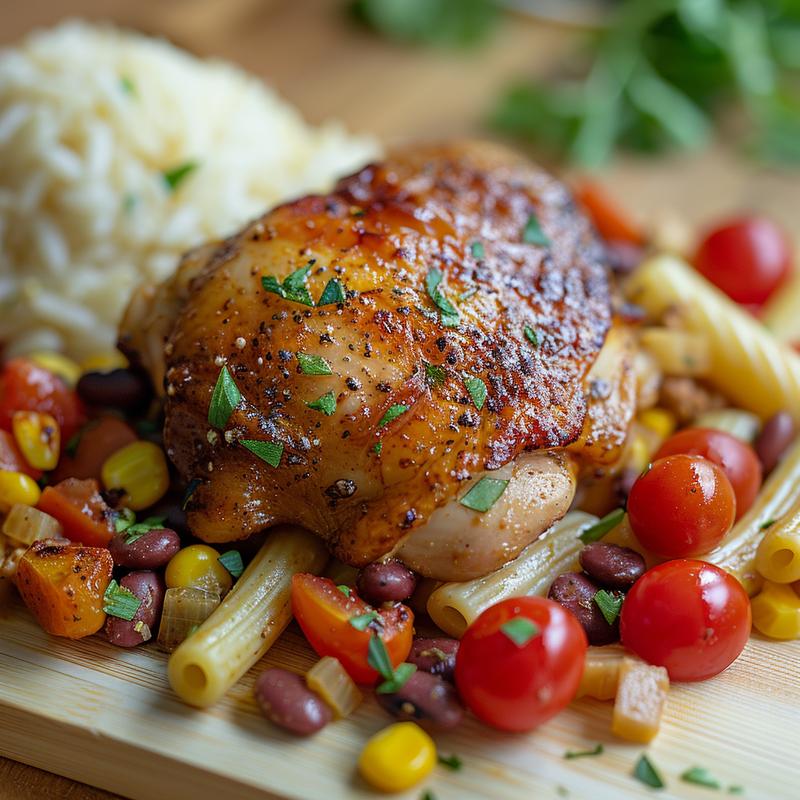
Frugal Meal Planning: A Guide to Intentional Eating and a Thrifty Grocery List
Welcome, friends, to The Artisan’s Ledger. I’m Olivia, and today, we’re embarking on a journey—not just to save money on groceries, but to rediscover the art of intentional eating. In a world of convenience and excess, frugal meal planning might seem like a constraint. But I believe it’s an opportunity—a chance to connect with our food, reduce waste, and cultivate a deeper appreciation for the simple act of nourishment. This isn’t just about pinching pennies; it’s about building a sustainable relationship with your resources and creating a legacy of mindful consumption.
This guide is designed to equip you with the knowledge and tools to create delicious, budget-friendly meals without sacrificing quality or flavor. We’ll explore the principles of frugal meal planning, discuss how to build a cheap grocery list, and share practical tips to help you transform your kitchen into a haven of creativity and resourcefulness. Think of this as a comprehensive workshop, passed down through generations, adapted for the modern age. Let’s begin.
Why You’ll Love This Approach to Frugal Meal Planning
In our fast-paced world, convenience often overshadows intention. But frugal meal planning offers a refreshing alternative, a chance to slow down, reconnect with your food, and create meals that are both nourishing and affordable. Here’s why you’ll love this approach:
- Savings: The most obvious benefit – a significant reduction in your monthly grocery bill. By planning ahead and buying strategically, you can avoid impulse purchases and reduce food waste.
- Reduced Food Waste: Frugal meal planning encourages you to use up what you already have, minimizing waste and maximizing the value of every ingredient.
- Healthier Eating: When you plan your meals, you’re more likely to make conscious choices about what you eat, leading to a healthier and more balanced diet.
- Increased Creativity: Working within a budget can spark creativity in the kitchen. You’ll discover new ways to use familiar ingredients and explore flavors you might not have otherwise considered.
- Reduced Stress: Knowing what you’re going to eat each week eliminates the daily dilemma of “What’s for dinner?” freeing up time and mental energy.
- Mindful Consumption: Frugal meal planning encourages you to be more aware of your food choices and the impact they have on your wallet and the environment.
The Cornerstone: Building Your Cheap Grocery List
The foundation of successful frugal meal planning is a well-crafted cheap grocery list. This list should be tailored to your dietary needs, preferences, and budget. Here’s how to build one that works for you:
- Assess Your Pantry and Fridge: Before you even think about making a list, take inventory of what you already have. This prevents you from buying duplicates and helps you incorporate existing ingredients into your meal plan.
- Plan Your Meals: This is the most crucial step. Decide what you’re going to eat for the week (or even the month) and write down the ingredients you’ll need. Consider theme nights (e.g., Taco Tuesday, Pasta Wednesday) to simplify the process.
- Prioritize Staples: Focus on affordable and versatile staples like rice, beans, pasta, eggs, and seasonal vegetables. These form the backbone of many budget-friendly meals.
- Embrace Sales and Discounts: Check your local grocery store’s flyers and take advantage of sales and discounts. Stock up on non-perishable items when they’re on sale.
- Buy in Bulk (Wisely): Buying in bulk can save you money in the long run, but only if you’ll actually use the ingredients before they expire. Consider bulk purchases of items like rice, beans, and oats.
- Don’t Forget the Details: Remember to include essential items like cooking oil, spices, and condiments on your grocery list.
Key Ingredients for a Frugal Pantry: The Cheap Grocery Essentials
Let’s delve into the specific ingredients that should form the core of your frugal pantry. These are the workhorses of budget-friendly cooking, offering versatility, nutrition, and affordability:
- Grains:
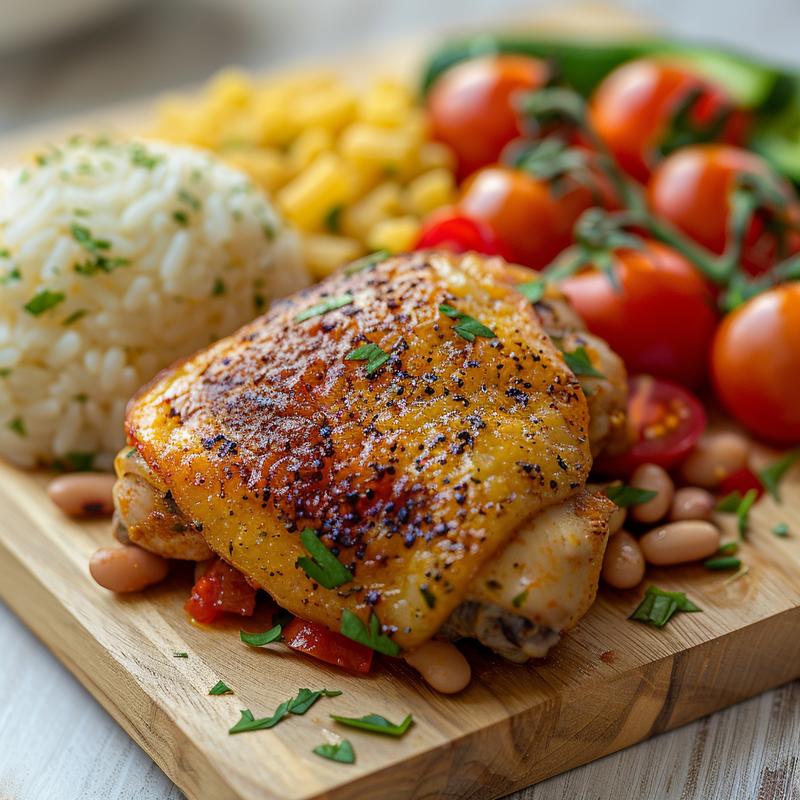
- Rice: Brown rice, white rice, jasmine rice – all are excellent choices. Rice is incredibly versatile and can be used in countless dishes.
- Oats: Rolled oats are perfect for breakfast, baking, and even adding to savory dishes.
- Pasta: A budget-friendly staple that can be transformed into countless meals. Choose whole wheat pasta for added fiber.
- Quinoa: A complete protein source that’s slightly more expensive than rice but offers significant nutritional benefits.
- Legumes:
- Beans: Black beans, kidney beans, chickpeas, lentils – the options are endless. Beans are packed with protein and fiber, making them a filling and nutritious addition to any meal.
- Lentils: Red lentils, green lentils, brown lentils – these cook quickly and are a great source of protein and fiber.
- Proteins:
- Eggs: An affordable and versatile source of protein. Eggs can be scrambled, fried, boiled, or used in baking.
- Canned Tuna/Salmon: A convenient and shelf-stable source of protein.
- Chicken Thighs: Often more affordable than chicken breasts, chicken thighs are flavorful and versatile.
- Ground Beef: A classic ingredient for budget-friendly meals like chili, spaghetti, and tacos.
- Tofu: A plant-based protein source that’s affordable and versatile.
- Vegetables:
- Frozen Vegetables: A great option for affordability and convenience. Frozen vegetables are often just as nutritious as fresh and can be stored for longer.
- Canned Tomatoes: A pantry staple for making sauces, soups, and stews.
- Potatoes: A versatile and affordable vegetable that can be roasted, mashed, or fried.
- Onions: An essential ingredient for adding flavor to countless dishes.
- Carrots: A sweet and nutritious vegetable that’s affordable and versatile.
- Cabbage: A budget-friendly vegetable that can be used in salads, slaws, and cooked dishes.
- Fruits:
- Apples: A versatile and affordable fruit that can be eaten fresh, baked, or used in sauces.
- Bananas: A convenient and affordable fruit that’s perfect for snacks and smoothies.
- Seasonal Fruits: Take advantage of seasonal fruits when they’re at their peak and most affordable.
- Dairy/Alternatives:
- Milk: A good source of calcium and protein.
- Yogurt: A healthy and versatile snack or breakfast option.
- Cheese: A flavorful addition to many meals, but can be expensive. Opt for block cheese and shred it yourself to save money.
Remember, this is just a starting point. Tailor your cheap grocery list to your specific needs and preferences. Experiment with different ingredients and find what works best for you. If you want to make a truly frugal grocery list, consider what is in season, as that will affect the price. This also helps you make the most of your budget.
Creating Delicious Meals on a Dime: Frugal Meal Ideas
Now that you have your cheap grocery list, let’s explore some delicious and affordable meal ideas:
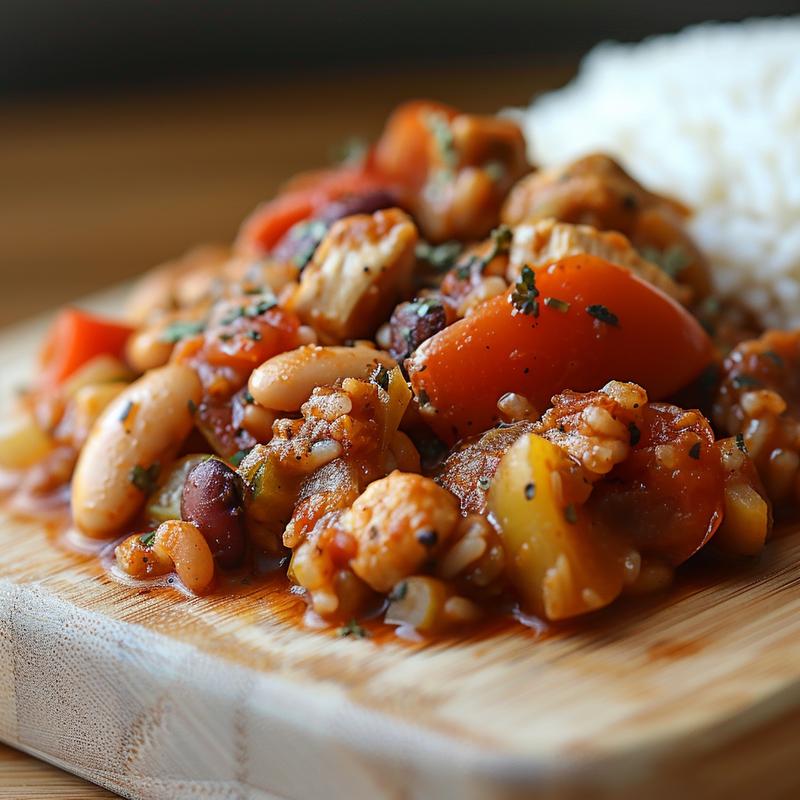
- Rice and Beans: A classic budget-friendly meal that’s packed with protein and fiber. Experiment with different beans, spices, and toppings to keep it interesting.
- Pasta with Tomato Sauce: A simple and satisfying meal that’s easy to customize. Add vegetables, lentils, or ground meat to boost the nutritional value.
- Soup: A great way to use up leftover vegetables and beans. Make a big batch of soup on the weekend and enjoy it throughout the week.
- Oatmeal: A healthy and affordable breakfast option. Add fruit, nuts, or seeds for extra flavor and nutrition.
- Egg Scramble: A quick and easy meal that’s packed with protein. Add vegetables, cheese, or herbs to customize it.
- Chicken and Vegetable Stir-Fry: A healthy and flavorful meal that’s easy to make with affordable ingredients.
- Lentil Soup: A hearty and nutritious soup that’s packed with protein and fiber.
- Black Bean Burgers: A vegetarian alternative to ground beef burgers that’s both affordable and delicious.
- Shepherd’s Pie: A classic comfort food that’s easy to make with affordable ingredients like ground beef, potatoes, and vegetables.
- Chili: A hearty and flavorful meal that’s perfect for a cold day.
Pro Tips for Maximizing Your Frugal Meal Planning Efforts
Here are some additional pro tips to help you make the most of your frugal meal planning efforts:
- Cook Once, Eat Twice (or More): Make large batches of food and eat the leftovers for lunch or dinner the next day. This saves time and reduces food waste.
- Embrace Leftovers: Get creative with leftovers. Transform leftover roasted chicken into chicken salad sandwiches or use leftover vegetables in a frittata.
- Pack Your Lunch: Bringing your lunch to work or school can save you a significant amount of money compared to eating out.
- Limit Eating Out: Eating out can quickly derail your budget. Cook at home as much as possible.
- Grow Your Own Food: Even a small herb garden can save you money on fresh herbs. Consider growing vegetables like tomatoes, lettuce, and peppers if you have the space.
- Learn to Love Legumes: Legumes are your best friend when it comes to frugal meal planning. They’re affordable, versatile, and packed with protein and fiber.
- Use Your Freezer: Freeze leftover food, extra portions of meals, and ingredients that are about to expire.
- Shop with a List: Stick to your grocery list and avoid impulse purchases.
- Don’t Shop When Hungry: You’re more likely to make impulse purchases when you’re hungry.
- Compare Prices: Pay attention to unit prices to ensure you’re getting the best deal.
Common Mistakes to Avoid When Planning Frugal Meals
Even with the best intentions, it’s easy to stumble when first attempting frugal meal planning. Here are some common mistakes to avoid:
- Not Planning Ahead: Failing to plan is planning to fail. Without a meal plan, you’re more likely to make impulse purchases and eat out.
- Ignoring Your Pantry: Before you go grocery shopping, take stock of what you already have. You might be surprised at what you find.
- Buying Too Much: It’s better to buy less and run out than to buy too much and waste food.
- Ignoring Sales: Take advantage of sales and discounts to save money on your groceries.
- Being Afraid to Experiment: Don’t be afraid to try new recipes and ingredients. You might discover a new favorite dish.
- Not Using Leftovers: Leftovers are your friend. Get creative with them and transform them into new meals.
- Getting Discouraged: Frugal meal planning takes practice. Don’t get discouraged if you don’t see results immediately.
- Forgetting the Fun: Frugal meal planning shouldn’t feel like a chore. Make it fun by trying new recipes, experimenting with flavors, and involving your family.
Variations: Adapting Frugal Meal Planning to Your Specific Needs
Frugal meal planning isn’t a one-size-fits-all approach. It’s about adapting the principles to your specific needs, preferences, and dietary restrictions. Here are some variations to consider:
- Vegetarian/Vegan: Focus on plant-based protein sources like beans, lentils, tofu, and tempeh. Incorporate plenty of vegetables and whole grains.
- Gluten-Free: Choose gluten-free grains like rice, quinoa, and oats. Avoid wheat-based products like pasta and bread.
- Low-Carb: Focus on protein, healthy fats, and low-carbohydrate vegetables. Limit grains, starchy vegetables, and sugary fruits.
- Family-Friendly: Choose recipes that are appealing to both adults and children. Involve your children in the meal planning process.
- Single Person: Scale down recipes to avoid leftovers. Focus on meals that are quick and easy to prepare.
Proper Storage: Preserving Your Frugal Finds
Proper storage is essential for preserving your frugal finds and preventing food waste. Here are some tips:
- Store Fruits and Vegetables Properly: Different fruits and vegetables have different storage needs. Some should be refrigerated, while others should be stored at room temperature.
- Use Airtight Containers: Store leftovers and opened packages of food in airtight containers to prevent them from drying out or spoiling.
- Label and Date Everything: Label and date all leftovers and frozen food so you know when they were made and when they should be used.
- Rotate Your Stock: Use older items before newer items to prevent them from expiring.
- Freeze Food Properly: Freeze food in airtight containers or freezer bags. Remove as much air as possible to prevent freezer burn.
Frequently Asked Questions About Frugal Meal Planning
Let’s address some common questions about frugal meal planning:
- Q: How much money can I save with frugal meal planning?
A: The amount you save will depend on your current spending habits and how diligently you follow your meal plan. However, many people report saving hundreds of dollars per month. - Q: Is frugal meal planning time-consuming?
A: It does require some initial time investment to plan your meals and create your grocery list. However, once you get into the habit, it becomes easier and faster. Plus, the time you save by not having to decide what to eat every day more than makes up for it. - Q: Can I still eat healthy on a budget?
A: Absolutely! Frugal meal planning encourages you to focus on whole, unprocessed foods, which are often the most nutritious and affordable. - Q: What if I don’t have time to cook every day?
A: That’s okay! Focus on making large batches of food on the weekends and eating the leftovers during the week. You can also prepare ingredients in advance, such as chopping vegetables or cooking grains. - Q: What if I have dietary restrictions?
A: Frugal meal planning can be adapted to any dietary restriction. Just focus on ingredients that meet your needs and preferences. - Q: Can I involve my family in frugal meal planning?
A: Absolutely! Involving your family can make the process more fun and engaging. Ask them for their input on meal ideas and have them help with cooking and grocery shopping.
Serving Suggestions and Presentation: Elevating the Frugal Experience
Even the most budget-friendly meal can be elevated with thoughtful serving suggestions and presentation. Remember, eating is a multi-sensory experience. Here are some tips:
- Use Garnishes: A simple garnish, such as a sprig of parsley or a sprinkle of paprika, can make a dish look more appealing.
- Plate Your Food Nicely: Take a few extra seconds to arrange your food on the plate in an attractive way.
- Use Attractive Dishes: Eating from attractive dishes can make the meal more enjoyable.
- Set the Table: Even for a casual meal, setting the table can make the experience more special.
- Add a Side Salad: A simple side salad can add color, texture, and nutrition to your meal.
- Offer Condiments: Offer a variety of condiments, such as hot sauce, salsa, or yogurt sauce, to allow people to customize their meals.
- Create a Theme: If you’re having a themed meal, such as Taco Tuesday, decorate the table accordingly.
- Light Candles: Lighting candles can create a warm and inviting atmosphere.
- Play Music: Playing soft music can enhance the dining experience.
Ultimately, frugal meal planning is more than just saving money. It’s about cultivating a mindful relationship with food, reducing waste, and rediscovering the joy of cooking. It is about if you make a plan and stick to it, you can save a little money each month. So, embrace the challenge, experiment with new recipes, and create a legacy of intentional eating for yourself and your family. This cheap grocery list strategy can be used for a month, or even longer, if you want to. And don’t forget, it’s about the journey, not just the destination. Enjoy the process, and savor every bite.
Frugal Meal Planning Made Simple
Ingredients
Method
- Visit the Frugal Mom website.
- Review the sample frugal grocery list.
- Choose recipes using ingredients from the list.
- Plan meals for the week.
- Shop for needed ingredients only.
- Prepare meals as planned.
Notes
Loved this recipe? Save it to your favorite Pinterest board so you can easily find it later! ✨