
Welcome to The Artisan’s Ledger, where we believe in the enduring quality of intentional creation. Today, we delve into the heart of South Indian cuisine with a dish that’s not only nourishing but also a testament to resourceful cooking: Vegetable Upma. More than just a breakfast option, upma is a symphony of textures and flavors, a comforting start to the day that echoes through generations. This recipe isn’t just about following steps; it’s about understanding the ‘why’ behind each technique, about connecting with the tradition and creating something truly special.
Why You’ll Love This Vegetable Upma Recipe
This isn’t your average breakfast recipe. This vegetable upma recipe is a celebration of simplicity and flavor. There are many reasons why this will quickly become a staple in your morning routine:
- Healthy and Nutritious: Packed with veggies and wholesome semolina, it’s a balanced way to start your day.
- Easy to Make: A straightforward recipe perfect for busy mornings.
- Versatile: Easily customizable with your favorite vegetables and spices.
- South Indian Staple: Experience an authentic taste of South India in your own kitchen.
- Quick Cooking: From start to finish, it’s ready in under 30 minutes.
The Story of Upma: A South Indian Breakfast Tradition
Upma’s history is as rich and diverse as its flavor profile. Originating in South India, it’s a dish born from resourcefulness. Traditionally, upma was a way to use leftover rice or broken wheat, transforming simple ingredients into a satisfying meal. Over time, semolina (rava or sooji) became the preferred base, lending a unique texture and nutty flavor. Vegetable upma is now one of the most beloved variations, showcasing the versatility of this humble dish. It’s a testament to how simple ingredients, when combined with skill and intention, can create culinary magic.
Ingredients for the Perfect Vegetable Upma
The quality of your ingredients will significantly impact the final dish. Here’s what you’ll need:
- 1 cup semolina (rava/sooji): The heart of the dish, providing texture and substance.
- 2 tablespoons oil: For tempering spices and sautéing vegetables.
- 1 teaspoon mustard seeds: Adds a pungent, nutty flavor.
- 1 teaspoon urad dal (split black lentils): Provides a crunchy texture and nutty flavor.
- 1 teaspoon chana dal (split chickpeas): Adds a similar texture and flavor profile as urad dal.
- 1/2 teaspoon asafoetida (hing): A potent spice that enhances the overall flavor.
- 1 green chili, chopped: For a touch of heat. Adjust to your preference.
- 1/2 inch ginger, grated: Adds warmth and a subtle spice.
- 1/2 cup chopped onion: Forms the base flavor of the upma.
- 1/2 cup mixed vegetables (carrots, peas, beans): Adds nutrients, color and texture. Feel free to get creative!
- 2 cups water: The liquid component, essential for cooking the semolina.
- Salt to taste: Enhances the flavors of all the other ingredients.
- 2 tablespoons chopped cilantro (coriander leaves): For a fresh, herbaceous finish.
- 1 tablespoon lemon juice (optional): Adds a touch of acidity and brightness.
Step-by-Step Guide to Making Vegetable Upma
The recipe is simple, but the technique is key. Follow these steps carefully for the best results:
- Dry Roast the Semolina: In a pan, dry roast the semolina until lightly golden. This step is crucial for preventing a gummy texture. Set aside.
- Temper the Spices: Heat oil in the same pan. Add mustard seeds and let them splutter, releasing their aromatic oils.
- Add the Lentils: Add urad dal and chana dal. Fry until golden brown, adding a nutty depth to the dish.
- Sauté Aromatics: Add asafoetida, green chili, and ginger. Sauté for a few seconds until fragrant.
- Sauté Onions: Add chopped onion and saute until translucent.
- Cook Vegetables: Add mixed vegetables and saute for 2-3 minutes, allowing them to soften slightly.
- Add Water and Salt: Add water and salt to taste. Bring to a boil. This is where the magic happens.
- Incorporate Semolina: Slowly add the roasted semolina while stirring continuously to avoid lumps. Patience is key here.
- Cook the Upma: Cook on low heat, stirring occasionally, until all the water is absorbed and the upma is cooked to a soft, fluffy consistency.
- Garnish and Serve: Garnish with chopped cilantro and lemon juice (optional). Serve hot, and enjoy the fruits of your labor.
Pro Tips for the Best Vegetable Upma
These tips will elevate your upma from good to exceptional:
- Roast the Semolina Properly: This is the most important step. Under-roasted semolina will result in a sticky upma, while over-roasted semolina will be dry. Aim for a light golden color.
- Use Hot Water: Adding hot water ensures even cooking and prevents lumps.
- Stir Continuously: When adding the semolina, stir continuously to prevent lumps from forming.
- Don’t Overcook: Overcooked upma will be dry and crumbly. Cook until the semolina is soft and fluffy.
- Add a touch of ghee: A teaspoon of ghee at the end adds richness and flavor.
Common Mistakes to Avoid
Even seasoned cooks can make these mistakes. Be mindful of these pitfalls:
- Not Roasting the Semolina: This is the biggest mistake. Don’t skip this step!
- Adding Cold Water: Cold water can cause the semolina to clump.
- Adding Semolina Too Quickly: Add the semolina slowly, while stirring constantly.
- Using Too Much Water: Too much water will result in a soggy upma.
- Not Stirring Enough: Stirring prevents the upma from sticking to the pan and ensures even cooking.
Variations on the Classic Vegetable Upma
The beauty of upma lies in its versatility. Feel free to experiment with these variations:
- Rava Upma: Skip the vegetables for a simple and classic upma.
- Oats Upma: Replace semolina with rolled oats for a healthier twist.
- Broken Wheat Upma (Dalia Upma): Use broken wheat instead of semolina for a more rustic texture.
- Tomato Upma: Add chopped tomatoes for a tangy flavor.
- Coconut Upma: Add grated coconut for a tropical twist.
Storing Leftover Vegetable Upma
Upma is best enjoyed fresh, but leftovers can be stored in the refrigerator for up to 2 days. Reheat gently with a splash of water to prevent it from drying out.
Serving Suggestions
Upma is a versatile dish that can be served in many ways:
- As a Breakfast Main: Serve hot with a dollop of yogurt or a side of chutney.
- As a Side Dish: Accompany with sambar and vada for a complete South Indian meal.
- As a Snack: Enjoy a small bowl of upma as a mid-day snack.
Frequently Asked Questions (FAQ)
Here are some common questions about making vegetable upma:
- Can I use different vegetables? Absolutely! Feel free to use any vegetables you like. Carrots, peas, beans, potatoes, and cauliflower are all great options.
- Can I make it vegan? Yes, simply use vegetable oil instead of ghee.
- How do I prevent upma from becoming sticky? The key is to roast the semolina properly and add hot water.
- Can I make it ahead of time? Yes, you can make it ahead of time and reheat it when needed. However, it’s best enjoyed fresh.
- What kind of semolina should I use? You can use either fine or coarse semolina, depending on your preference.
Conclusion: A Legacy of Flavor
Vegetable upma is more than just a breakfast dish; it’s a connection to tradition, a celebration of simple ingredients, and a testament to the power of resourceful cooking. The most important thing is to enjoy the process, and to create something that nourishes both body and soul. So, gather your ingredients, embrace the journey, and create a legacy of flavor that will be cherished for generations to come. This south indian breakfast is easy to make, and this vegetable upma is a healthy breakfast option. If you follow this recipe, that’s a guarantee! Enjoy this south indian breakfast recipe! It’s a must try! This vegetable upma is the most delicious breakfast you’ll ever have. This recipe is the best! And cook with love!

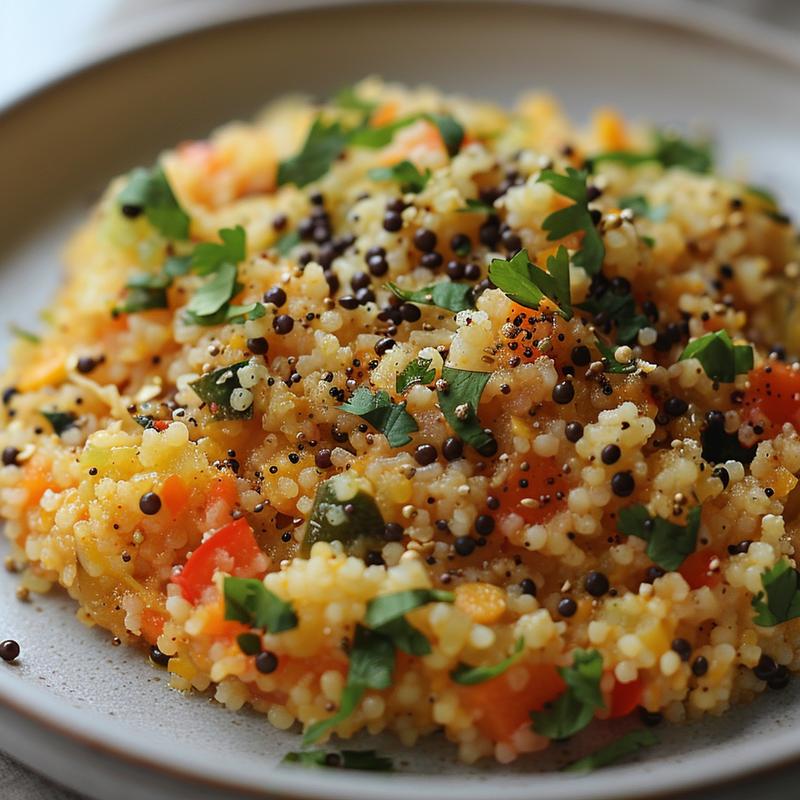
Vegetable Upma
Ingredients
Method
- Dry roast semolina until golden. Set aside.
- Heat oil, add mustard seeds, let splutter.
- Add urad dal and chana dal. Fry until golden.
- Add asafoetida, green chili, and ginger. Saute briefly.
- Add onion, saute until translucent.
- Add mixed vegetables, saute 2-3 minutes.
- Add water and salt. Bring to a boil.
- Slowly add semolina, stirring to avoid lumps.
- Cook on low heat until water is absorbed and upma is cooked.
- Garnish with cilantro and lemon juice (optional).
- Serve hot.
Notes
Loved this recipe? Save it to your favorite Pinterest board so you can easily find it later! ✨
