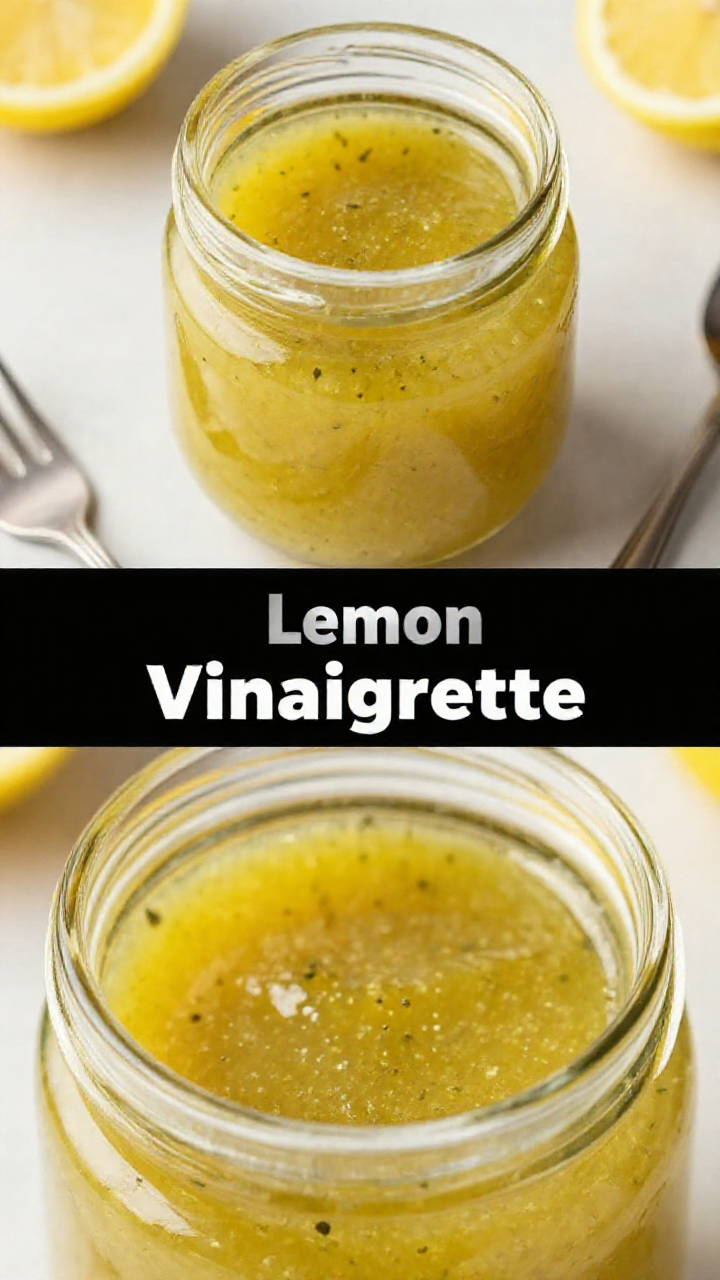
Easy Lemon Vinaigrette Dressing Recipe: A Touch of Sunshine in Every Bite
Welcome, friends, to The Artisan’s Ledger. Today, we’re not crafting with wood or metal, but with the vibrant flavors of the garden. We’re making a basic lemon vinaigrette, a cornerstone recipe that elevates the simplest of meals. This isn’t just about following steps; it’s about understanding the alchemy of flavor, the dance between acid, fat, and seasoning. This lemon vinaigrette recipe is a timeless classic for good reason. It’s a testament to the power of fresh, simple ingredients, transformed into something extraordinary.
My grandfather, a master carpenter, always said, “The quality of the finish determines the value of the piece.” The same holds true in cooking. The dressing, often an afterthought, is, in reality, the element that ties everything together. A well-made lemon vinaigrette does precisely that. It enhances the natural flavors of your ingredients, adding brightness and depth.
Why You’ll Love This Lemon Vinaigrette
This lemon vinaigrette is more than just a dressing; it’s a culinary Swiss Army knife. It’s incredibly versatile, easy to make, and undeniably delicious. Here’s why you’ll find yourself reaching for this recipe again and again:
- Freshness: The vibrant tang of fresh lemon juice instantly brightens any dish.
- Versatility: Perfect for salads, roasted vegetables, grilled meats, and more.
- Quick & Easy: Ready in minutes with minimal effort.
- Customizable: Easily adaptable to your taste preferences. You can add the honey/maple syrup or stevia to taste.
- Healthy: Made with wholesome ingredients, offering a healthier alternative to store-bought dressings.
Ingredients: The Foundation of Flavor
The quality of your ingredients directly impacts the final result. Seek out the best olive oil you can find, use fresh lemon juice, and don’t skimp on the Dijon mustard. Here’s what you’ll need to make this delightful dressing:
- ¼ cup apple cider vinegar
- 2 Tablespoons fresh lemon juice
- 2 Tablespoons water
- 1 Tablespoon Dijon mustard
- 2 teaspoons honey or maple syrup (or stevia, to taste)
- 1 teaspoon dried oregano
- 1 clove garlic, minced
- ½ teaspoon sea salt
- ¼ teaspoon black pepper
- ½ cup + 2 Tablespoons olive oil
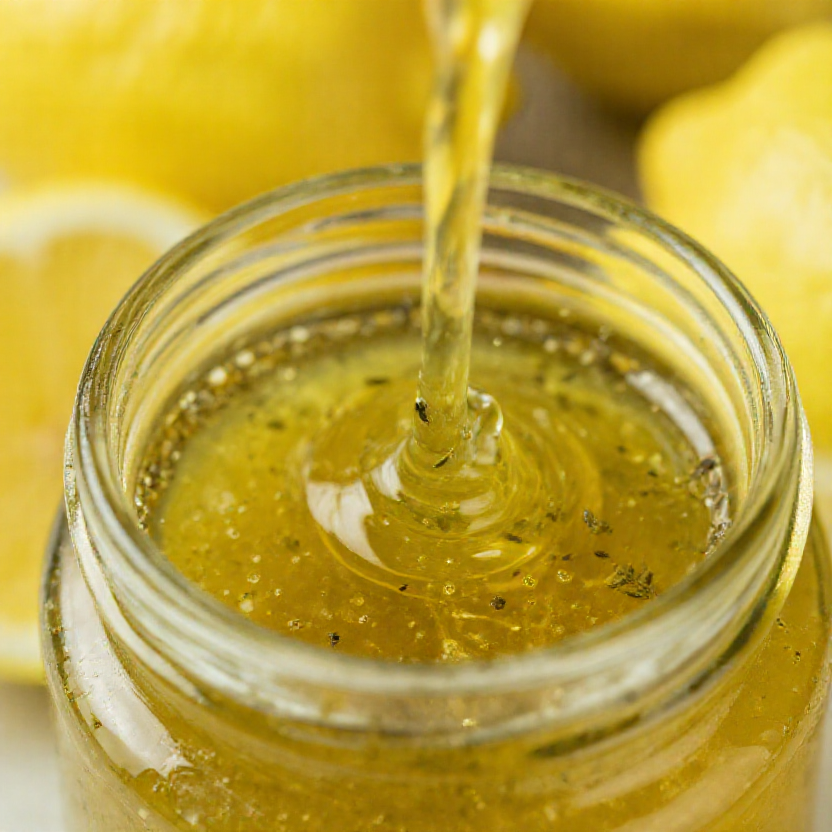
Crafting the Perfect Lemon Vinaigrette: Step-by-Step
Making a great lemon vinaigrette dressing is a matter of technique and patience. The key is to emulsify the oil and vinegar properly, creating a stable and flavorful dressing. Follow these steps carefully, and you’ll be rewarded with a dressing that sings.
- In a medium-sized bowl, combine the apple cider vinegar and fresh lemon juice. Whisk together.
- Add the Dijon mustard, honey or maple syrup (or stevia), and whisk until dissolved and well incorporated.
- Stir in the dried oregano, minced garlic, sea salt, and black pepper. Whisk vigorously.
- While whisking continuously, slowly drizzle in the oil until fully emulsified and the dressing thickens.
- Taste and adjust seasonings as needed. Give it a final thorough whisk.
- Transfer to an airtight container. For optimal flavor, let sit for 15-30 minutes before serving. Shake or whisk before each use.
Pro Tips for Vinaigrette Perfection
These small details can elevate your lemon vinaigrette from good to exceptional:
- Quality Oil: Use extra virgin olive oil for the best flavor.
- Freshness Matters: Always use fresh lemon juice for the brightest taste. Bottled juice simply doesn’t compare.
- Emulsification: Drizzle the oil slowly while whisking vigorously to create a stable emulsion. This prevents the oil and vinegar from separating.
- Taste as You Go: Adjust the seasonings to your liking. If you prefer a sweeter dressing, add more honey or maple syrup. If you want more tang, add a touch more lemon juice.
- Resting Time: Letting the dressing sit for 15-30 minutes allows the flavors to meld and deepen.
Common Mistakes to Avoid
Even simple recipes have their pitfalls. Here’s what to watch out for when making this lemon vinaigrette:
- Adding Oil Too Quickly: This can prevent proper emulsification, resulting in a greasy dressing.
- Using Old Lemon Juice: Stale lemon juice loses its vibrancy and can taste bitter.
- Over-Mixing: Over-mixing can make the dressing too thick. Whisk until just emulsified.
- Ignoring the Taste Test: Always taste and adjust! What tastes bland to one person might be perfect for another.
Lemon Vinaigrette Variations: A World of Flavor
The beauty of a basic lemon vinaigrette is its versatility. Here are a few variations to inspire your culinary creativity:
- Herb Infusion: Add chopped fresh herbs like parsley, dill, or chives.
- Spice it Up: A pinch of red pepper flakes adds a subtle kick.
- Garlic Lover’s Delight: Use roasted garlic for a milder, sweeter garlic flavor.
- Citrus Medley: Combine lemon juice with other citrus juices like orange or grapefruit.
- Creamy Vinaigrette: Add a tablespoon of Greek yogurt or mayonnaise for a creamier texture.
Storage: Keeping Your Vinaigrette Fresh
Proper storage is crucial for maintaining the flavor and quality of your lemon vinaigrette. Here’s how to store it:
- Airtight Container: Store in an airtight container in the refrigerator.
- Shelf Life: The vinaigrette will keep for up to a week.
- Separation: It’s a natural for the oil and vinegar to separate upon standing. Simply shake or whisk well before each use.
Frequently Asked Questions (FAQ)
Let’s address some common questions about making and using lemon vinaigrette dressing:
- Can I use bottled lemon juice? While you can, it’s always best to use fresh lemon juice for the most vibrant flavor.
- How long does lemon vinaigrette last? Properly stored, it will last up to a week in the refrigerator.
- Why does my vinaigrette separate? Oil and vinegar naturally separate. Whisk or shake well before using.
- Can I freeze lemon vinaigrette? Freezing is not recommended, as it can affect the texture and flavor.
Serving Suggestions: Beyond the Salad Bowl
While this lemon vinaigrette is fantastic on salads, its uses extend far beyond. Consider these serving suggestions:
- Roasted Vegetables: Drizzle over roasted vegetables like broccoli, carrots, or Brussels sprouts.
- arugula-salad: Arugula Salad
- Grilled Meats: Use as a marinade or finishing sauce for grilled chicken, fish, or pork.
- Grain Bowls: Add a zesty touch to grain bowls with quinoa, rice, or farro.
- sweet-potato-bowl: Sweet Potato Bowl
- sweet-potato-taco-bowl: Sweet Potato Taco Bowl
- Pasta Dishes: Toss with cooked pasta and vegetables for a light and refreshing pasta salad.
This recipe is more than just a set of instructions; it’s a gateway to culinary creativity. Experiment with different herbs, spices, and sweeteners to create your signature lemon vinaigrette. Embrace the process, savor the flavors, and share your creations with those you love. After all, the true value of craftsmanship lies not just in the finished product, but in the joy of creation and the connections we forge along the way.
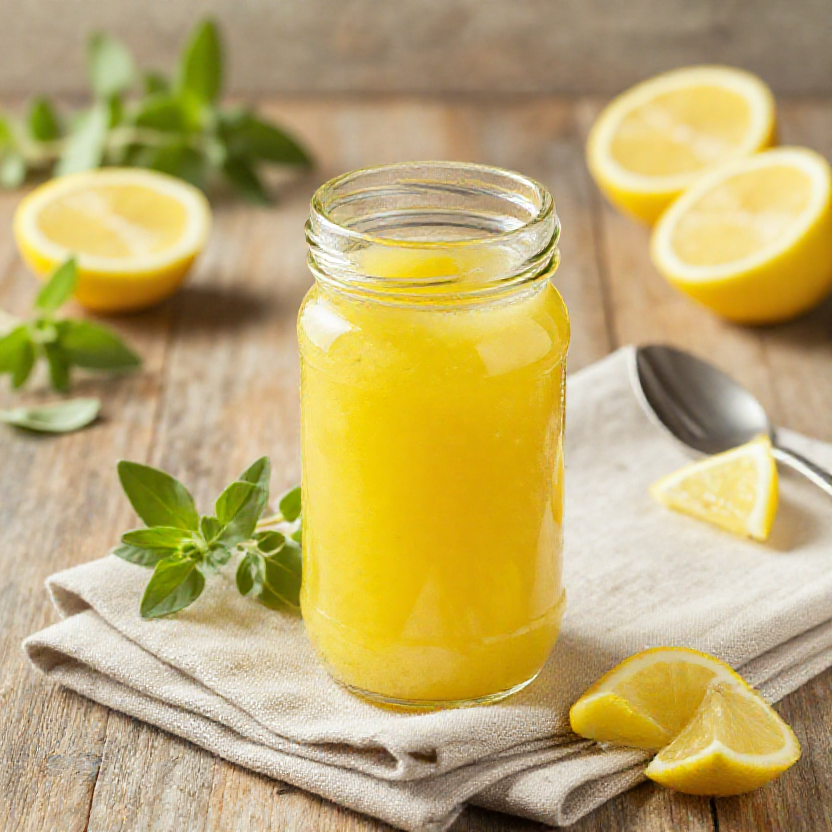
Easy Lemon Vinaigrette Dressing
Ingredients
Method
- Combine vinegar and lemon juice; whisk.
- Add mustard, honey/maple syrup/stevia; whisk until dissolved.
- Stir in oregano, garlic, salt, and pepper; whisk.
- Drizzle in olive oil while whisking until emulsified.
- Taste and adjust seasonings; whisk.
- Transfer to container; let sit 15-30 minutes. Shake before use.
Notes