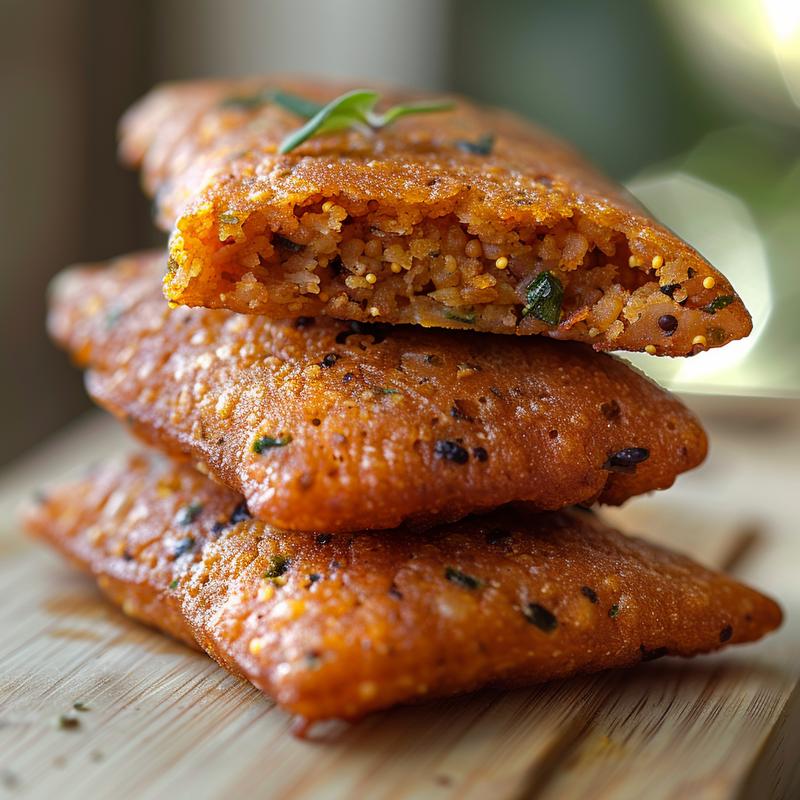
Crispy Medu Vada Recipe: A South Indian Delight Crafted with Tradition
Welcome, fellow artisans of the culinary world, to another journey into the heart of enduring flavors and time-honored techniques. Today, we delve into the art of crafting Medu Vada, a quintessential South Indian delicacy that embodies simplicity and profound taste. As the founder of ‘The Artisan’s Ledger,’ I’m Olivia, and I’m thrilled to guide you through this process, sharing not just the ‘how,’ but also the ‘why’ behind each step. These lentil fritters, often enjoyed as a delightful breakfast or snack, are more than just a dish; they are a cultural emblem, deeply rooted in South Indian culinary heritage. We’ll explore the secrets to achieving the perfect crispy exterior and fluffy interior, transforming humble ingredients into a culinary masterpiece.
A Legacy of Flavor: The Story of Medu Vada
Medu Vada, meaning ‘crisp fritter,’ holds a special place in South Indian cuisine. These savory doughnuts, traditionally made from urad dal (split black lentils), are a staple in households and restaurants alike. Their origins are intertwined with the rich tapestry of South Indian food culture, where simple ingredients are elevated through meticulous preparation and a deep understanding of flavor profiles. The earliest mentions of similar fried lentil preparations can be traced back centuries, highlighting the enduring appeal of this dish. Passed down through generations, each family has their unique twist on the recipe, adding subtle nuances that reflect their culinary traditions. The vada’s versatility is also noteworthy; it pairs beautifully with sambar, coconut chutney, or even enjoyed on its own with a cup of steaming South Indian filter coffee. Understanding this legacy adds depth to the cooking process, transforming a simple recipe into a connection with history.
Why You’ll Love This Medu Vada Recipe
There are countless vada recipes out there, but this one stands apart because it emphasizes technique and understanding. You’ll learn to coax the best texture and flavor from simple ingredients. Here’s why you’ll be coming back to this recipe again and again:
- Authentic Taste: Captures the true essence of South Indian Medu Vada.
- Crispy Perfection: Achieves the ideal balance of a crunchy exterior and a soft, airy interior.
- Easy to Follow: Detailed instructions and pro tips ensure success, even for beginners.
- Customizable: Adapt the recipe to your spice preference and dietary needs.
- Detailed Guidance: You’ll understand not only *how* to make it, but *why* each step is important.
The batter is the key to success. If the batter is too thin, the vadas will absorb too much oil and become soggy. If the batter is too thick, they will be dense and heavy. Getting the right consistency is crucial.
Medu Vada Ingredients: The Foundation of Flavor
The ingredients for Medu Vada are humble, but their quality and preparation are paramount. Here’s what you’ll need:
- Urad Dal (Split Black Lentils, Skinless): 1 cup. The star of the show, providing the vada’s characteristic flavor and texture.
- Ginger, Finely Chopped: 1 inch. Adds a warm, aromatic note that complements the lentils.
- Green Chilies, Finely Chopped: 2-3 (adjust to taste). Provides a spicy kick that balances the richness of the vada.
- Curry Leaves, Finely Chopped: 1 sprig. Imparts a distinctive, fragrant aroma that is quintessential to South Indian cuisine.
- Onion, Finely Chopped (optional): 1/4 cup. Adds a subtle sweetness and textural contrast.
- Salt: To taste. Enhances the overall flavor profile.
- Oil: For deep frying. Choose a neutral oil with a high smoke point, such as canola or vegetable oil.
- Rice Flour (optional, for crispness): 2 tablespoons. Helps to create a crispier exterior.
Urad dal is the most important ingredient. You can find it in most Indian grocery stores. Be sure to use fresh ingredients for the best flavor. The better the ingredients, the better the final product will be.
Step-by-Step Guide to Crafting Perfect Medu Vada
Now, let’s embark on the journey of creating these delicious Medu Vadas. Follow these steps carefully, and you’ll be rewarded with a batch of perfectly crispy and fluffy fritters.
- Soaking the Urad Dal: Wash the Urad Dal thoroughly until the water runs clear. This removes any impurities and ensures a cleaner flavor. Soak it in enough water for at least 4 hours, or preferably overnight. Soaking allows the lentils to absorb water, making them easier to grind into a smooth batter.
- Grinding the Batter: Drain all the water from the soaked dal. Grind it to a smooth, fluffy batter using as little water as possible. The batter should be thick and not runny. A high-powered blender or wet grinder works best. If you do not have a wet grinder, a regular mixer grinder can also be used, but you may need to grind in batches and add water sparingly. The key is to achieve a light and airy batter.
- Adding Aromatics: Add the chopped ginger, green chilies, curry leaves, and onion (if using) to the batter. Mix well. These aromatics infuse the vada with their distinctive flavors, creating a symphony of taste.
- Seasoning and Crispness: Add salt to taste and rice flour (if using). Mix everything thoroughly. The rice flour helps to create a crispier exterior. Be careful not to over-salt the batter.
- Heating the Oil: Heat oil in a deep frying pan or wok on medium heat. The oil should be hot enough to fry the vadas evenly, but not so hot that they burn on the outside before cooking through on the inside.
- Shaping the Vadas: Wet your hands with water. Take a small portion of the batter and shape it into a doughnut shape with a hole in the center. Wetting your hands prevents the batter from sticking. You can also use a piece of plastic or banana leaf to shape the vadas. Making a hole in the center ensures even cooking.
- Frying the Vadas: Gently slide the vada into the hot oil. Fry a few vadas at a time, being careful not to overcrowd the pan. Overcrowding will lower the oil temperature and result in soggy vadas.
- Achieving Golden Perfection: Fry until golden brown and crispy on both sides. Flip occasionally for even cooking. The vadas should be a deep golden brown color, indicating that they are cooked through and crispy.
- Draining Excess Oil: Remove the vadas from the oil and drain them on paper towels to remove excess oil. This helps to keep them crispy and prevents them from becoming greasy.
- Serving: Serve hot with coconut chutney and sambar. Medu Vada is best enjoyed fresh and hot.
If you do not have curry leaves, you can omit them, but they add a distinctive flavor that is worth seeking out. You can also add other herbs, such as cilantro, to the batter.
Pro Tips for Medu Vada Mastery
Elevate your Medu Vada game with these expert tips:
- Batter Consistency is Key: The batter should be thick and fluffy, not runny. If it’s too thin, add a tablespoon of rice flour or urad dal flour at a time until you reach the desired consistency.
- Use a Wet Grinder: If possible, use a wet grinder for the most authentic texture. It grinds the dal to a finer, fluffier consistency than a regular blender.
- Don’t Overmix: Overmixing the batter can develop the gluten in the urad dal, resulting in tough vadas. Mix just until the ingredients are combined.
- Shape with Wet Hands: Always wet your hands before shaping the vadas to prevent the batter from sticking.
- Maintain Oil Temperature: The oil should be hot enough to fry the vadas evenly, but not so hot that they burn on the outside before cooking through on the inside. Maintain a consistent temperature throughout the frying process.
- Fry in Small Batches: Avoid overcrowding the pan, as this will lower the oil temperature and result in soggy vadas.
- Serve Immediately: Medu Vada is best enjoyed fresh and hot.
These tips will help you achieve perfect Medu Vada every time. Remember, practice makes perfect. The more you make them, the better you will become.
Common Mistakes to Avoid
Even seasoned cooks can encounter pitfalls. Here’s what to watch out for:
- Thin Batter: A runny batter is the most common mistake. It results in flat, greasy vadas.
- Overcrowding the Pan: Frying too many vadas at once lowers the oil temperature, leading to soggy vadas.
- Incorrect Oil Temperature: Oil that is too hot will burn the outside of the vadas before they cook through on the inside. Oil that is not hot enough will result in greasy vadas.
- Overmixing the Batter: Overmixing can make the vadas tough.
- Using Too Much Water While Grinding: Adding too much water dilutes the batter and makes it difficult to shape the vadas.
Avoiding these mistakes will help you create perfect Medu Vada every time. If you do make a mistake, don’t be discouraged. Just learn from it and try again.
Medu Vada Variations: A World of Flavors
While the classic Medu Vada is a delight in itself, there are numerous variations to explore. Here are a few ideas to spark your creativity:
- Masala Vada: Add a blend of spices like coriander, cumin, and fennel seeds to the batter for a flavorful twist.
- Dahi Vada: Soak the fried vadas in yogurt and top with chutneys and spices for a refreshing and tangy treat.
- Sambar Vada: Submerge the vadas in hot sambar for a comforting and flavorful dish.
- Rava Vada: Substitute some of the urad dal with semolina (rava) for a slightly different texture and flavor.
- Vegetable Vada: Add finely chopped vegetables like carrots, cabbage, and spinach to the batter for added nutrition and flavor.
You can also experiment with different types of lentils, such as moong dal or chana dal, to create unique vada variations. The possibilities are endless.
Storing and Reheating Medu Vada
Medu Vada is best enjoyed fresh, but if you have leftovers, here’s how to store and reheat them:
- Storing: Store leftover vadas in an airtight container in the refrigerator for up to 2 days.
- Reheating: Reheat the vadas in a preheated oven at 350°F (175°C) for 5-10 minutes, or until heated through. You can also reheat them in a microwave, but they may not be as crispy. Another option is to shallow fry them in a pan until heated through and crispy.
Reheating can affect the texture, so it’s best to consume them as soon as possible. You can also freeze the batter for later use. Just thaw it completely before frying.
Frequently Asked Questions (FAQ)
Here are some common questions about making Medu Vada:
- Why are my vadas not crispy? This is usually due to a thin batter, incorrect oil temperature, or overcrowding the pan.
- Why are my vadas absorbing too much oil? This is also usually due to a thin batter or oil that is not hot enough.
- Can I use a blender instead of a wet grinder? Yes, you can use a blender, but a wet grinder will give you a finer, fluffier batter.
- Can I make the batter ahead of time? Yes, you can make the batter ahead of time and store it in the refrigerator for up to 24 hours.
- Can I freeze the batter? Yes, you can freeze the batter for up to 2 months. Thaw it completely before frying.
If you have any other questions, feel free to ask in the comments below. I’m always happy to help.
Serving Suggestions: The Perfect Accompaniments
Medu Vada is traditionally served with coconut chutney and sambar, but here are some other serving suggestions:
- Coconut Chutney: A classic pairing, the creamy coconut chutney complements the savory vada perfectly.
- Sambar: Another classic, the tangy and flavorful sambar adds depth and complexity to the dish.
- Tomato Chutney: A spicy and tangy tomato chutney provides a different flavor profile.
- Mint Chutney: A refreshing mint chutney adds a cooling element.
- Plain Yogurt: A simple bowl of plain yogurt can be a refreshing accompaniment.
You can also serve Medu Vada as part of a larger South Indian breakfast spread, along with idli, dosa, and uttapam. Thank you a lot for reading this recipe. I hope you found it helpful. The recipe is designed to be easy to follow, even for beginners. If you do not have experience with South Indian cooking, this is a great place to start. I call it a labor of love, and I hope you will too.
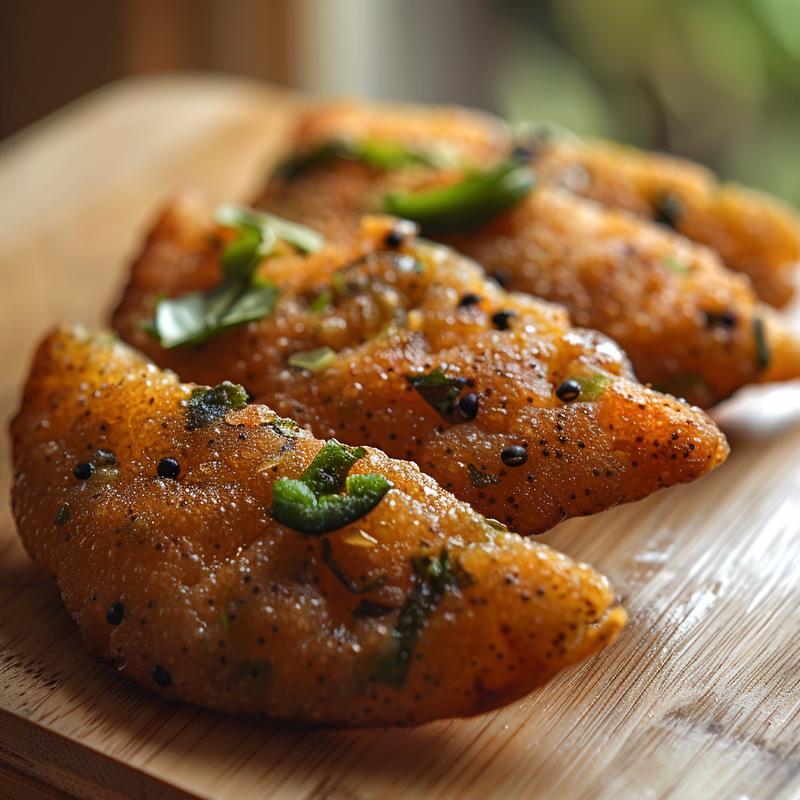
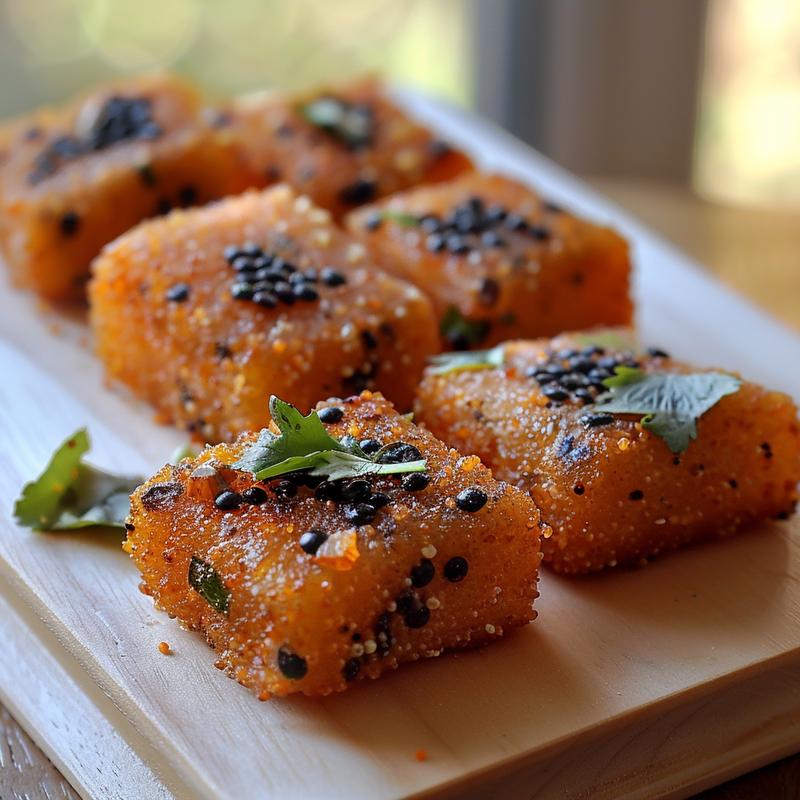
Medu Vada
Ingredients
Method
- Wash Urad Dal and soak in water for at least 4 hours or overnight.
- Drain water and grind dal to a smooth, thick batter using minimal water.
- Add ginger, green chilies, curry leaves, and onion (if using) to the batter. Mix well.
- Add salt and rice flour (if using). Mix thoroughly.
- Heat oil in a deep frying pan on medium heat.
- Wet hands, shape batter into a doughnut with a hole.
- Gently slide vada into hot oil. Fry a few at a time.
- Fry until golden brown and crispy, flipping occasionally.
- Remove vadas and drain on paper towels.
- Serve hot with coconut chutney and sambar.
Notes
Loved this recipe? Save it to your favorite Pinterest board so you can easily find it later! ✨