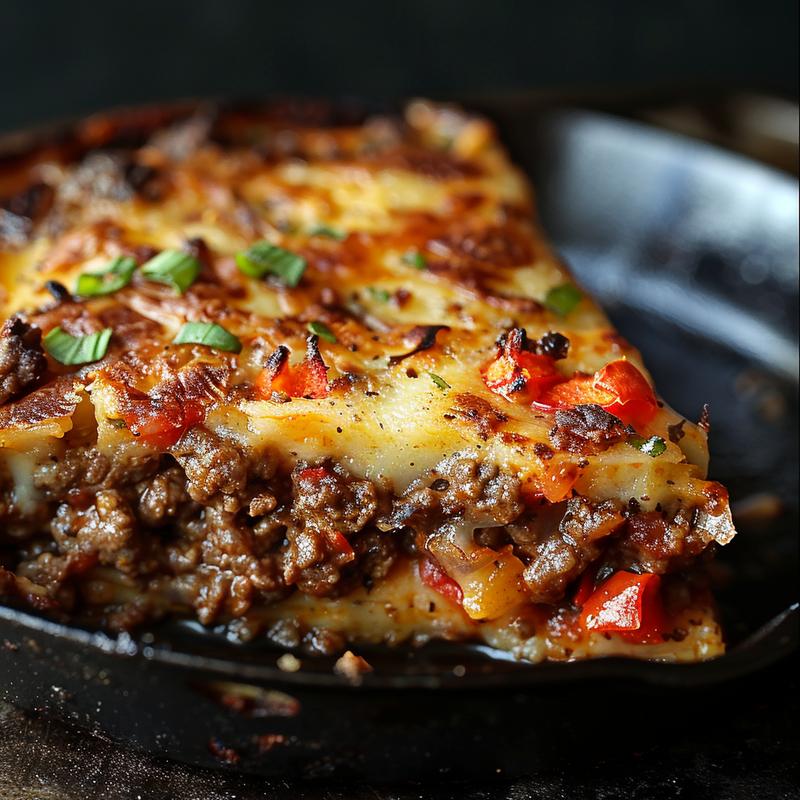
Unlocking the Comfort of Roasted Spaghetti Squash
In the heart of every artisan’s kitchen lies the pursuit of the perfect dish, and if you’re seeking a comforting classic, look no further than roasted spaghetti squash. This humble squash is not just a versatile ingredient; it’s a canvas for creativity, embodying the essence of traditional cooking while offering modern adaptability. In this guide, we will explore the intricacies of preparing this delicious vegetable, ensuring you master the art of cooking spaghetti squash with intentionality and care.
With its naturally sweet flavor and unique texture, roasted spaghetti squash serves as a delightful alternative to pasta, making it a favorite for both culinary novices and seasoned chefs. Let’s embark on this journey together, where we will delve into why you’ll love this recipe, explore variations, and uncover tips that will elevate your dish to new heights.
Why You’ll Love This Recipe
This roasted spaghetti squash recipe is not just easy and delicious; it offers a myriad of benefits that make it a staple in any kitchen. Here are five compelling reasons to give it a try:
- Nutrient-Rich: Spaghetti squash is low in calories and high in vitamins A and C, making it a healthy addition to your meals.
- Versatile Base: This squash can be served as a substitute for pasta, allowing for gluten-free and low-carb meal options.
- Flavor Absorption: Its mild taste allows it to absorb the flavors of sauces and seasonings beautifully, enhancing any dish.
- Easy to Prepare: With minimal ingredients and straightforward steps, cooking spaghetti squash can fit seamlessly into your busy schedule.
- Family-Friendly: The unique texture and taste of spaghetti squash make it appealing to both children and adults, creating a pleasing dining experience for everyone.
Ingredient Breakdown
Before diving into the cooking process, let’s take a closer look at the ingredients you’ll need for the roasted spaghetti squash and their potential substitutions:
- Spaghetti Squash: The star of the dish; choose a firm, unblemished squash. If unavailable, butternut squash can serve as a substitute but will change the flavor profile.
- Olive Oil: A healthy fat that aids in roasting. You can use melted butter or avocado oil for a different flavor.
- Salt and Pepper: Essential for seasoning; feel free to experiment with garlic powder or Italian herbs for an extra kick.
- Fresh Herbs: Parsley or basil can enhance the final presentation and flavor. Dried herbs can also work well.
Expert Tips for Mastering Roasted Spaghetti Squash
To ensure your roasted spaghetti squash turns out perfectly, consider these expert insights:
- Cutting Technique: When preparing to cut the squash, use a sharp knife and take your time; cutting lengthwise is ideal for creating long strands.
- Roasting Temperature: Roast at a moderate temperature (around 400°F) for even cooking and caramelization.
- Testing for Doneness: The squash is done when it is tender and easily pierced with a fork, typically taking 30-45 minutes.
- Fluffing the Squash: After roasting, use a fork to gently scrape the flesh into strands—this creates the traditional spaghetti-like texture.
- Flavor Infusion: Consider adding spices or cheese during the last few minutes of roasting to enhance flavors.
- Batch Cooking: Roast multiple squashes at once to save time during busy weeks.
- Storing Leftovers: Store any unused squash in an airtight container in the refrigerator for up to five days.
- Serving Variations: Pair with your favorite sauces, sautéed vegetables, or proteins for a complete meal.
Common Mistakes and Troubleshooting
Even the most experienced cooks can encounter hiccups along the way. Here are some common pitfalls and how to avoid them:
- Overcooking: Be vigilant while roasting; overcooked squash can become mushy. Check for doneness periodically.
- Undercutting: Cutting the squash unevenly can lead to uneven cooking. Aim for uniform thickness for consistent results.
- Insufficient Seasoning: Don’t skimp on salt and pepper. Taste your squash before serving and adjust as needed.
Delicious Variations on Roasted Spaghetti Squash
Exploring different variations can breathe new life into your roasted spaghetti squash dishes:
- Cheesy Garlic Squash: Top with grated Parmesan and roasted garlic for a decadent twist.
- Spaghetti Squash Primavera: Toss with seasonal vegetables and a light lemon vinaigrette for a refreshing take.
- Spicy Arrabbiata Sauce: Serve with a zesty tomato sauce for those who enjoy a bit of heat.
- Asian-Inspired Dish: Drizzle with sesame oil and soy sauce, adding sautéed bok choy and mushrooms for an umami flavor.
Storage and Make-Ahead Instructions
Planning ahead can simplify meal prep. Here’s how to store and prepare:
- Make-Ahead: Roast the squash in advance and store it shredded in the fridge for quick meals throughout the week.
- Freezing: You can freeze cooked spaghetti squash in an airtight container for up to three months; just thaw before using.
- Reheating: Warm it gently in the microwave or sauté in a pan with a little olive oil.
Comprehensive FAQ on Spaghetti Squash
Here are answers to some common questions about spaghetti squash:
- How do I know when spaghetti squash is ripe? Look for a firm, yellow squash with a dull skin; avoid soft spots.
- Can I eat the skin of spaghetti squash? While the skin is edible, it is typically not consumed due to its tough texture.
- Is spaghetti squash gluten-free? Yes, spaghetti squash is naturally gluten-free, making it a great alternative for those with gluten sensitivities.
- What is the best way to cook spaghetti squash? Roasting is the best method, as it enhances the natural sweetness and flavor of the squash.
- Can I use a slow cooker for spaghetti squash? Absolutely! Place the cut squash in a slow cooker with a little water and cook on low for 6-8 hours.
- What dishes pair well with spaghetti squash? Spaghetti squash pairs beautifully with marinara sauce, pesto, or even stir-fried vegetables.
- How should I season spaghetti squash? Basic salt and pepper work well, but feel free to experiment with herbs and spices to match your main dish.
- Can I cook spaghetti squash whole? Yes, you can cook it whole in the oven, but it will take longer than cutting it in half.
Nutritional Insights and Dietary Adaptations
Understanding the nutritional profile of spaghetti squash can help you make informed meal choices:
- Low-Calorie Option: One cup of cooked spaghetti squash contains about 42 calories, making it an excellent choice for calorie-conscious diets.
- Rich in Fiber: It offers a good amount of dietary fiber, which aids digestion and promotes satiety.
- Vegan-Friendly: This dish can easily be adapted to fit vegan lifestyles by using plant-based butter and omitting cheese.
Essential Equipment for Cooking Spaghetti Squash
To achieve the best results, consider these essential tools:
- Sharp Chef’s Knife: A quality knife is crucial for safely cutting through the tough skin of the squash.
- Baking Sheet: A sturdy baking sheet will ensure even roasting without warping.
- Fork: For fluffing the squash strands post-roasting, a simple fork will suffice.
Serving Suggestions for the Perfect Meal
When it comes to serving your roasted spaghetti squash, creativity knows no bounds. Here are some delightful ideas:
- As a Side Dish: Serve it alongside roasted chicken or grilled fish for a balanced meal.
- In Salads: Mix it with fresh greens, nuts, and a tangy dressing for a hearty salad.
- As a Base for Sauces: Use it as a base for your favorite pasta sauces, adding protein and vegetables to create a complete dish.
In conclusion, roasted spaghetti squash is a testament to the beauty of intentional cooking. By understanding the process and exploring various adaptations, you can create a dish that delights the senses and nourishes the soul. Remember, every meal is an opportunity to craft something enduring—so take your time and enjoy the journey. Thank you for joining me on this culinary exploration. May your kitchen always be filled with warmth and creativity.
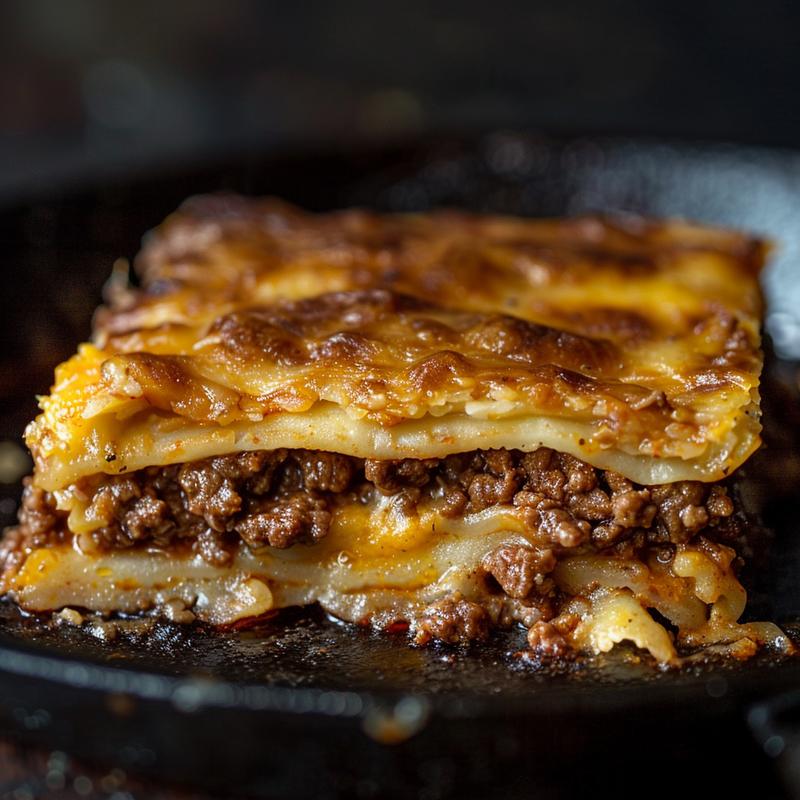

Roasted Spaghetti Squash
Ingredients
Method
- Soak eggplant in salted water overnight, then drain.
- Cook eggplant in boiling salted water for 20 minutes, then drain.
- Preheat oven to 350°F (175°C).
- Layer cracker crumbs and eggplant in a casserole, seasoning each layer with salt and pepper, and dot with butter.
- Pour half-and-half over the layers and bake for 1 hour until browned.
Notes
Loved this recipe? Save it to your favorite Pinterest board so you can easily find it later! ✨