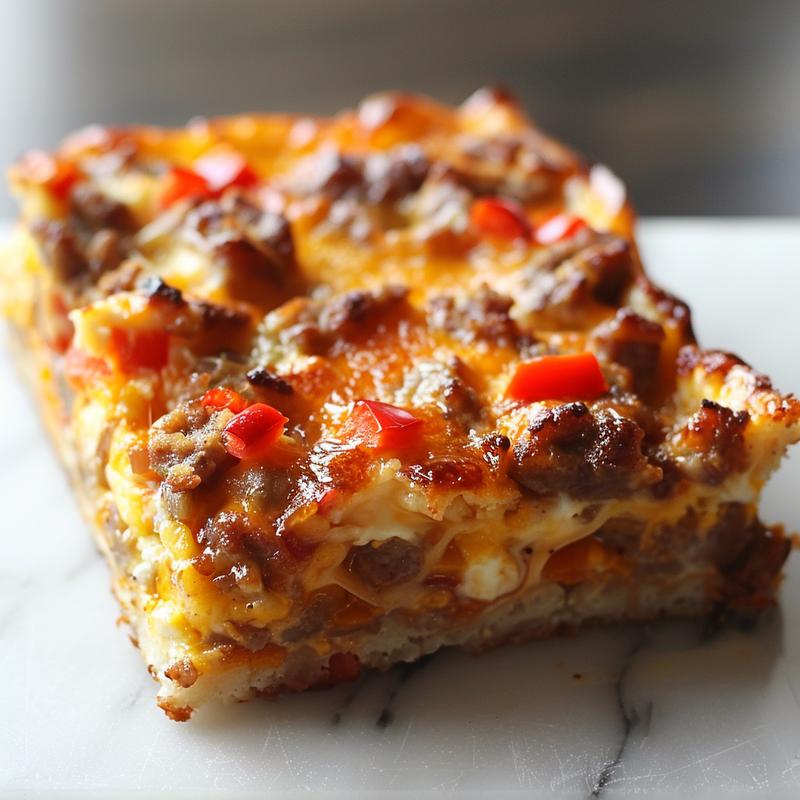
In a world where convenience often trumps quality, the art of preparing a comforting casserole remains a cherished tradition. Casseroles not only embody the warmth of home-cooked meals but also offer incredible versatility. This article presents a comprehensive collection of 25 gluten free and dairy free casserole recipes, each crafted with wholesome ingredients like brown rice, vibrant vegetables, and creamy cashew sauce. Perfect for family dinners or gatherings, these dishes will not only warm your heart but also satisfy your cravings for cozy, satisfying food.
As we delve into these recipes, you will discover the rich tapestry of flavors, textures, and nutritional benefits each casserole brings to the table. With careful consideration for dietary needs, each recipe is designed to be inclusive, ensuring that everyone can partake in the joy of comfort food. Let’s embark on this culinary journey together, celebrating the art of intentional creation and the legacy of skill in every bite.
Why You’ll Love These Casserole Recipes
Each casserole recipe featured in this collection is crafted to offer not just taste, but also a multitude of benefits. Here are five reasons why these recipes will become staples in your kitchen:
- Nutritious Ingredients: Each dish incorporates wholesome ingredients, ensuring that you nourish your body while enjoying delicious food.
- Customizable Options: The versatility of these casseroles allows you to modify ingredients based on your preferences or dietary restrictions, making them truly adaptable.
- Simple Preparation: Most recipes require minimal prep time, allowing you to create delicious meals without spending hours in the kitchen.
- Perfect for Meal Prep: These casseroles are ideal for make-ahead meals, saving you time on busy weeknights while providing satisfying leftovers.
- Family-Friendly Flavors: The comforting and familiar tastes of these dishes are sure to please even the pickiest eaters, making mealtime enjoyable for everyone.
Ingredient Breakdown and Substitutions
Understanding the ingredients that go into each recipe is key to mastering these casseroles. Here’s a detailed breakdown of the primary components and suggested substitutions for dietary needs:
- Brown Rice: A hearty base that provides fiber and texture. Substitute with quinoa or cauliflower rice for a lower-carb alternative.
- Vegetable Broth: Adds depth of flavor. Use homemade broth for a richer taste or water in a pinch.
- Broccoli Florets: A nutritious vegetable that adds color and crunch. Feel free to swap with green beans or spinach.
- Soaked Cashews: Create a creamy texture without dairy. For nut-free options, try silken tofu or sunflower seeds.
- Nutritional Yeast: Provides a cheesy flavor. If unavailable, use a vegan cheese alternative or omit for a different taste.
- Lemon Juice: Brightens the dish. Replace with apple cider vinegar for a tangy kick.
- Salt and Pepper: Essential for seasoning. Adjust to taste based on personal preference.
Pro Tips for Perfect Casseroles
Mastering the art of casserole-making requires a few expert insights. Here are some pro tips to elevate your dish:
- Layer Wisely: Start with denser ingredients at the bottom, such as grains, and finish with lighter toppings like breadcrumbs or cheese.
- Don’t Overcrowd: Ensure ingredients are spread evenly to allow for even cooking and optimal flavor development.
- Monitor Baking Time: Check for doneness a few minutes before the suggested bake time to prevent overcooking.
- Rest Before Serving: Allow casseroles to rest for 10-15 minutes after baking. This helps flavors meld and makes serving easier.
- Experiment with Herbs: Fresh herbs like thyme or basil can elevate flavors significantly. Add them just before serving for a fresh burst.
- Provide a Crunch: Topping casseroles with gluten-free breadcrumbs or crushed nuts before baking creates a delightful texture contrast.
- Use a Greased Casserole Dish: Always grease your dish to prevent sticking and ensure easy serving of your delicious creation.
- Check for Gluten-Free Labels: When using packaged ingredients, always look for gluten-free certifications to avoid cross-contamination.
Common Mistakes and Troubleshooting
Even seasoned chefs can encounter hiccups in the kitchen. Here are some common mistakes to avoid, along with solutions:
- Overcooking Vegetables: If your casserole turns mushy, consider adding hard vegetables later in the cooking process.
- Underseasoning: Always taste and adjust seasoning before serving to ensure a balanced flavor.
- Not Using Enough Liquid: If your casserole seems dry, add a splash of broth or water during baking.
- Skipping the Rest Time: Allowing casseroles to rest is crucial for achieving the perfect consistency.
- Using Cold Ingredients: Ensure ingredients are at room temperature before combining. This helps with even cooking.
Variations on Classic Casseroles
Casseroles are incredibly versatile. Here are four variations to inspire your creativity:
- Mexican-Inspired Casserole: Incorporate black beans, corn, and spices such as cumin and chili powder for a flavorful twist. Top with avocado for freshness.
- Italian Vegetable Casserole: Layer with marinara sauce, zucchini, and bell peppers. Sprinkle with vegan cheese for an Italian flair.
- Breakfast Casserole: Use eggs (or a vegan substitute), sautéed vegetables, and gluten-free bread for a hearty brunch option.
- Asian-Style Casserole: Combine rice noodles, stir-fried vegetables, and a ginger-soy sauce for an Asian-inspired dish.
Storage and Make-Ahead Instructions
Preparing meals ahead of time can simplify your week. Here’s how to store and reheat your casseroles:
- Refrigeration: Store leftovers in an airtight container in the fridge for up to 3-4 days.
- Freezing: Most casseroles freeze well. Freeze in a greased casserole dish covered with foil for up to 3 months. Thaw overnight in the refrigerator before reheating.
- Reheating: To reheat, cover with foil and warm in the oven at 350°F (175°C) for about 20-30 minutes, or until heated through.
- Meal Prep: Assemble casseroles ahead of time and keep them unbaked in the fridge for 1-2 days or freeze before baking for later use.
Comprehensive FAQ
Here are some frequently asked questions to help guide your casserole-making experience:
- Can I use other grains besides rice? Absolutely! Quinoa, farro, or even couscous are excellent substitutes.
- How do I make this recipe dairy free? Simply substitute dairy ingredients (like cheese or milk) with plant-based alternatives like nutritional yeast or almond milk.
- What if I don’t have a casserole dish? Any oven-safe dish will work! Just ensure it’s greased and can withstand the heat.
- Can I add protein to these casseroles? Yes, feel free to include cooked chicken, turkey, or plant-based proteins like lentils or chickpeas.
- How do I make it gluten free? Check labels on all packaged ingredients and use gluten-free grains and breadcrumbs.
- What should I serve with my casserole? A fresh salad or steamed vegetables complement casseroles beautifully.
- Can I adjust the spice level? Yes, add more or less spice according to your taste preferences.
- How long do these casseroles take to bake? Typically, casseroles bake for 25-40 minutes, depending on the ingredients and size of the dish.
Nutrition Tips and Dietary Adaptations
Each casserole offers a wealth of nutritional benefits. Consider these adaptations for specific dietary needs:
- For Low-Carb Diets: Swap brown rice with cauliflower rice or zucchini noodles.
- For Higher Protein: Incorporate beans, lentils, or tofu for an added protein boost.
- Vegetable Boost: Add extra vegetables to increase fiber and vitamins.
- For a Nut-Free Option: Replace cashews with sunflower seeds or omit for a lighter sauce.
Equipment Recommendations
Having the right tools can make your casserole-making experience smoother. Here’s what I recommend:
- High-Quality Casserole Dish: Invest in a durable, non-stick casserole dish that can withstand high temperatures.
- Blender or Food Processor: For creating creamy sauces without dairy, a powerful blender is essential.
- Cooking Utensils: Use a sturdy spatula and mixing bowls to ensure thorough mixing of ingredients.
- Measuring Cups and Spoons: Accurate measurements are key to successful casserole recipes.
Serving Suggestions
Presenting your casserole beautifully enhances the dining experience. Consider these serving ideas:
- Garnish with Fresh Herbs: A sprinkle of fresh parsley or cilantro adds color and freshness.
- Pair with a Side Salad: A crisp green salad balances the richness of the casserole.
- Offer a Variety of Toppings: Set up a toppings bar with avocado, hot sauce, and gluten-free breadcrumbs for guests to customize their portions.
- Use Unique Serving Dishes: Presenting casseroles in individual ramekins or mini-dishes creates an inviting atmosphere.
Conclusion
Creating comforting casseroles is more than just a cooking process; it’s a way to share warmth and love through food. With these 25 gluten free and dairy free recipes, you have a treasure trove of options to satisfy your family’s cravings while embracing the beauty of intentional cooking. Remember, each casserole tells a story, and with every bite, you are not just nourishing yourself but also honoring the craft of cooking. As you embark on this culinary journey, may you find joy in the process and create a legacy of skill that inspires future generations. Happy cooking!
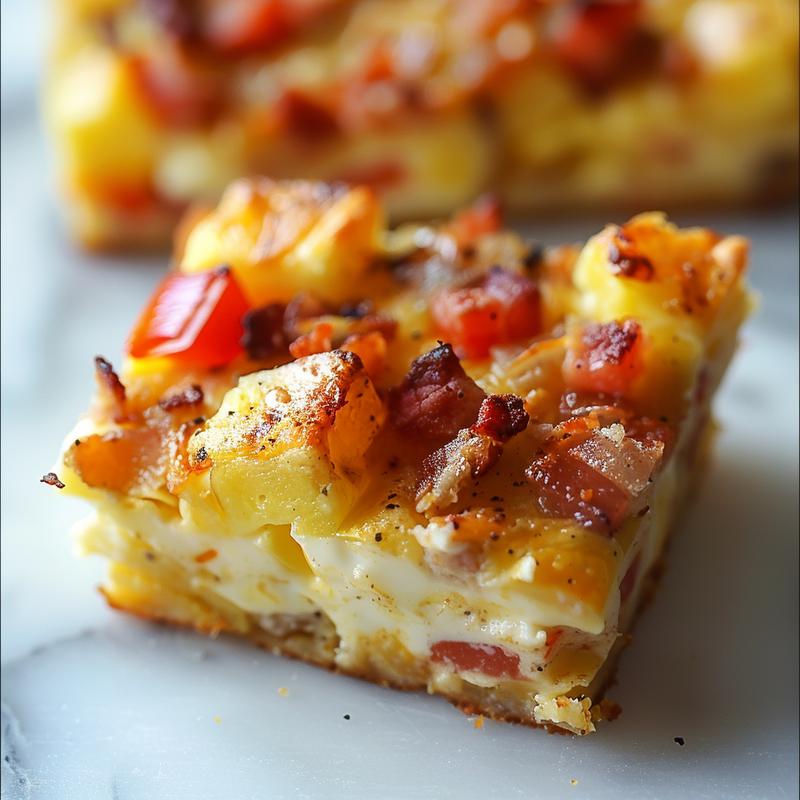
25 Comfort Food Casseroles That Are Gluten Free Dairy Free
Ingredients
Method
- Preheat oven to 350°F (175°C).
- Cook rice in vegetable broth until tender, about 35 minutes.
- Steam broccoli until just tender, about 5 minutes.
- Blend cashews, nutritional yeast, lemon juice, and salt until smooth.
- Mix cooked rice, broccoli, and cashew sauce; transfer to a greased dish and bake 25 minutes.
Notes
Loved this recipe? Save it to your favorite Pinterest board so you can easily find it later! ✨