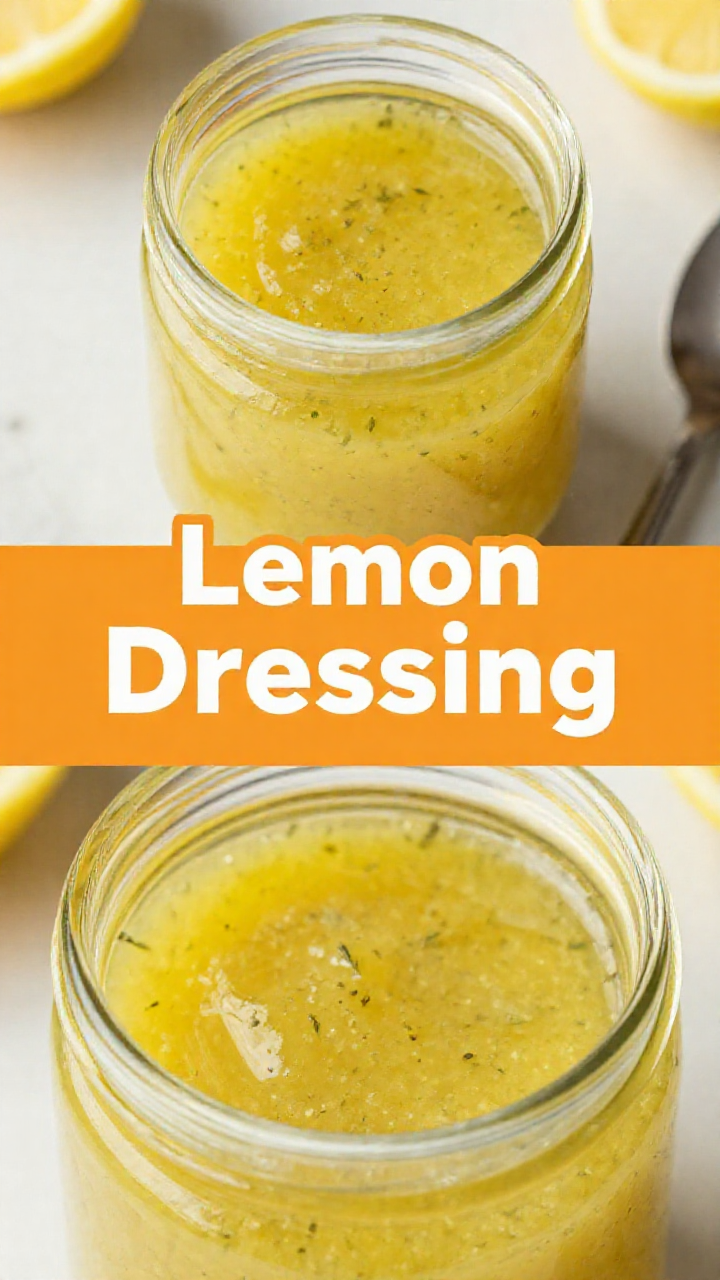
Welcome, fellow artisans, to another journey into the heart of enduring flavors. Today, we aren’t just making a dressing; we’re crafting a legacy. A legacy of bright, zesty notes dancing on the palate, a testament to the simple elegance of intentional creation. We’re diving deep into the world of lemon vinaigrette dressing, a staple that deserves our utmost attention and respect.
In my grandfather’s workshop, surrounded by the scent of aged wood and the rhythmic clang of hand tools, I learned that true craftsmanship lies not just in the final product, but in the meticulous process. This lemon vinaigrette recipe embodies that philosophy. It’s more than just a quick fix; it’s an invitation to slow down, to savor each ingredient, and to create something truly special.
This isn’t just about following instructions; it’s about understanding the ‘why’ behind each step. It’s about feeling the connection to generations of cooks who have sought to elevate simple ingredients into culinary masterpieces. So, let’s embark on this journey together, and discover the secrets to the ultimate lemon vinaigrette.
Why You’ll Love This Ultimate Lemon Vinaigrette
This lemon vinaigrette isn’t just good; it’s exceptional. It’s the kind of dressing that transforms a simple salad into a culinary experience. But what makes it so special? Let’s delve into the reasons why this recipe will become your go-to choice:
- Versatility: This vinaigrette recipe is incredibly versatile. It’s not just for salads; you can use it as a marinade for chicken or fish, drizzle it over roasted vegetables, or even use it as a dipping sauce for crusty bread.
- Freshness: The bright, zesty flavor of fresh lemon juice is simply unbeatable. It awakens the senses and adds a burst of sunshine to any dish.
- Simplicity: Despite its complex flavor profile, this vinaigrette dressing is incredibly easy to make. You probably already have most of the ingredients in your pantry.
- Customization: This recipe is a blank canvas. You can easily adjust the ingredients to suit your own taste preferences. Want it sweeter? Add more honey. Prefer a tangier flavor? Add more lemon juice.
- Health Benefits: Made with extra virgin olive oil and fresh lemon juice, this vinaigrette is packed with antioxidants and healthy fats. It’s a delicious and nutritious way to add flavor to your meals.
Ingredients: The Foundation of Flavor
The quality of your ingredients will directly impact the final flavor of your lemon vinaigrette. Choose wisely, and you’ll be rewarded with a dressing that’s bursting with freshness and flavor.
- 2 tablespoons Fresh Lemon Juice (Use freshly squeezed for the best flavor.)
- 2 tablespoons Apple Cider Vinegar (Can be substituted with white grape juice vinegar.)
- 2 tablespoons Water (Adjust according to taste.)
- 1 tablespoon Dijon Mustard (Ensure it’s certified gluten-free for a gluten-free version.)
- 1 teaspoon Honey or Maple Syrup (Use maple syrup for a vegan option.)
- 1 clove Minced Garlic (Use a garlic press for better texture.)
- 1 teaspoon Dried Oregano (Substitute with fresh herbs if desired.)
- ½ teaspoon Sea Salt (Adjust according to taste.)
- ¼ teaspoon Black Pepper (Freshly ground is preferred.)
- ½ cup Extra Virgin Olive Oil (Quality matters.)
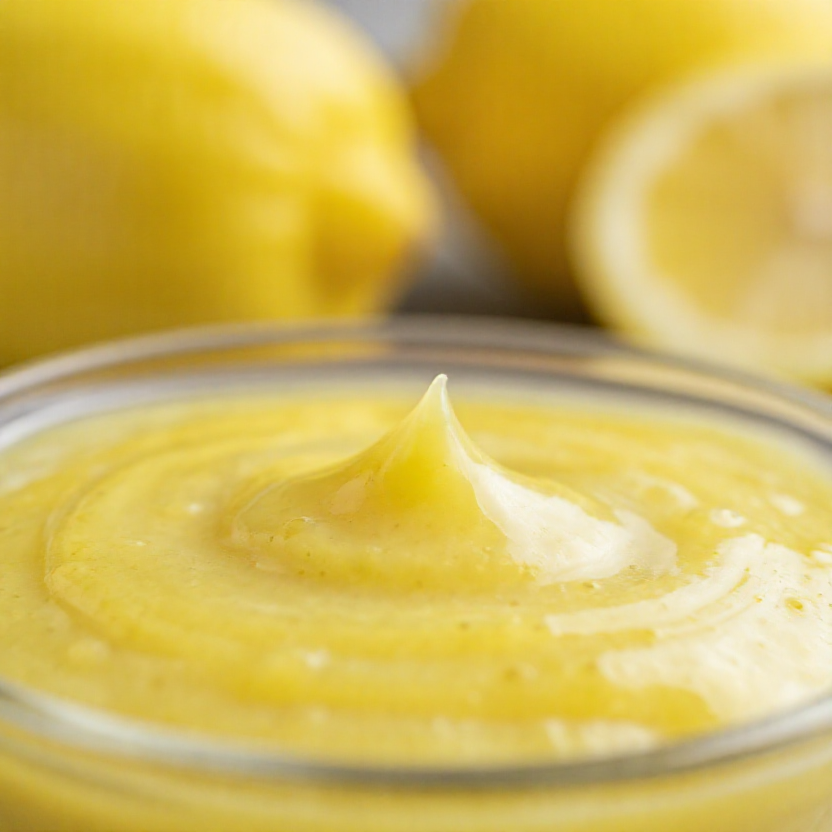
Crafting the Perfect Vinaigrette: Step-by-Step Guide
Now that we have our ingredients, let’s embark on the journey of creating this exquisite lemon vinaigrette. Remember, patience and attention to detail are key.
While I’m providing steps, keep in mind that, to make the best lemon vinaigrette, the key is to taste as you go. If you want to make the lemon vinaigrette dressing your own, remember that the dressing is a reflection of what you like.
- Emulsification is Key: In a small bowl, whisk together the lemon juice, apple cider vinegar, water, Dijon mustard, honey (or maple syrup), minced garlic, dried oregano, sea salt, and black pepper. The Dijon mustard acts as an emulsifier, helping to bind the oil and vinegar together.
- The Slow Drizzle: Slowly drizzle in the extra virgin olive oil while whisking constantly. This is crucial for creating a smooth, creamy emulsion. If you add the oil too quickly, the vinaigrette may separate.
- Taste and Adjust: Taste the vinaigrette and adjust the seasonings as needed. If it’s too tart, add a touch more honey. If it needs more zing, add a squeeze of lemon juice. If you want to make it a bit less acidic, add a little more water. Don’t be afraid to experiment until you achieve the perfect balance of flavors.
- Rest and Reflect: Allow the vinaigrette to sit at room temperature for at least 15 minutes before serving. This allows the flavors to meld together and deepen.
Pro Tips for Enduring Quality
These pro tips will elevate your lemon vinaigrette from good to extraordinary. These are the secrets that seasoned artisans swear by.
- Use Freshly Squeezed Lemon Juice: Bottled lemon juice simply cannot compare to the bright, vibrant flavor of freshly squeezed lemon juice. It’s worth the extra effort.
- Quality Matters: Invest in a good quality extra virgin olive oil. The flavor of the olive oil will have a significant impact on the final taste of the vinaigrette.
- Garlic Finesse: Use a garlic press to mince the garlic. This will release more of the garlic’s flavor and prevent large chunks of garlic from overpowering the vinaigrette.
- Emulsification Technique: Whisk vigorously and consistently while adding the olive oil. This will ensure that the vinaigrette is properly emulsified and doesn’t separate.
- Temperature Control: Ensure all ingredients are at room temperature before mixing. This helps the emulsification process.
Common Mistakes to Avoid
Even the most seasoned artisans make mistakes. Here are some common pitfalls to avoid when making lemon vinaigrette:
- Overpowering Garlic: Adding too much garlic can easily overwhelm the other flavors in the vinaigrette. Start with a small amount and add more to taste.
- Poor Emulsification: Failing to properly emulsify the vinaigrette will result in a dressing that separates. Whisk vigorously and drizzle the oil in slowly.
- Using Old Herbs: Dried herbs lose their potency over time. Make sure your dried oregano is fresh for the best flavor.
- Ignoring the Taste Test: Not tasting and adjusting the seasonings is a cardinal sin. Always taste your vinaigrette and adjust the ingredients to suit your own preferences.
- Using Low-Quality Olive Oil: Skimping on the olive oil will result in a vinaigrette that lacks flavor and richness. Choose a good quality extra virgin olive oil.
Lemon Vinaigrette Variations: A World of Possibilities
The beauty of this lemon vinaigrette recipe is its versatility. Here are some variations to inspire your culinary creativity:
- Herbaceous Delight: Add fresh herbs like parsley, chives, or dill for a burst of fresh flavor.
- Spicy Kick: Add a pinch of red pepper flakes or a dash of hot sauce for a touch of heat.
- Sweet and Tangy: Add a tablespoon of balsamic vinegar for a richer, more complex flavor.
- Citrus Infusion: Add a teaspoon of orange or grapefruit zest for a unique citrus twist.
- Creamy Dream: For a creamy vinaigrette, whisk in a tablespoon of Greek yogurt or mayonnaise.
Storage Instructions: Preserving Freshness
To maintain the quality and flavor of your lemon vinaigrette, proper storage is essential.
- Airtight Container: Store the vinaigrette in an airtight container in the refrigerator.
- Separation is Normal: The vinaigrette may separate upon refrigeration. Simply whisk it vigorously before serving.
- Shelf Life: Properly stored, lemon vinaigrette will last for up to 1 week in the refrigerator.
Frequently Asked Questions (FAQ)
Here are some common questions about making lemon vinaigrette:
- Can I use bottled lemon juice? While it’s possible, freshly squeezed lemon juice is highly recommended for the best flavor.
- Can I use a different type of vinegar? Yes, you can substitute apple cider vinegar with white wine vinegar, red wine vinegar, or balsamic vinegar.
- Can I make this vinaigrette ahead of time? Yes, you can make it ahead of time and store it in the refrigerator. Just be sure to whisk it well before serving.
- Can I freeze lemon vinaigrette? Freezing is not recommended, as it can alter the texture and flavor of the vinaigrette.
- How do I prevent the vinaigrette from separating? Whisk vigorously and drizzle the oil in slowly. Adding a touch of Dijon mustard also helps to emulsify the vinaigrette.
Serving Suggestions: Elevating Your Culinary Creations
This lemon vinaigrette is incredibly versatile. Here are some serving suggestions to inspire your culinary adventures:
- Salads: Drizzle it over your favorite green salads, like an arugula-salad.
- Marinades: Use it as a marinade for chicken, fish, or vegetables.
- Roasted Vegetables: Drizzle it over roasted vegetables like asparagus, broccoli, or Brussels sprouts.
- Dipping Sauce: Serve it as a dipping sauce for crusty bread or crudités.
- Grain Bowls: Drizzle it over grain bowls for added flavor and moisture.
And there you have it – a journey through the art of crafting the ultimate lemon vinaigrette. Remember, it’s not just about following a recipe; it’s about understanding the ingredients, embracing the process, and creating something truly special. Until next time, happy crafting!
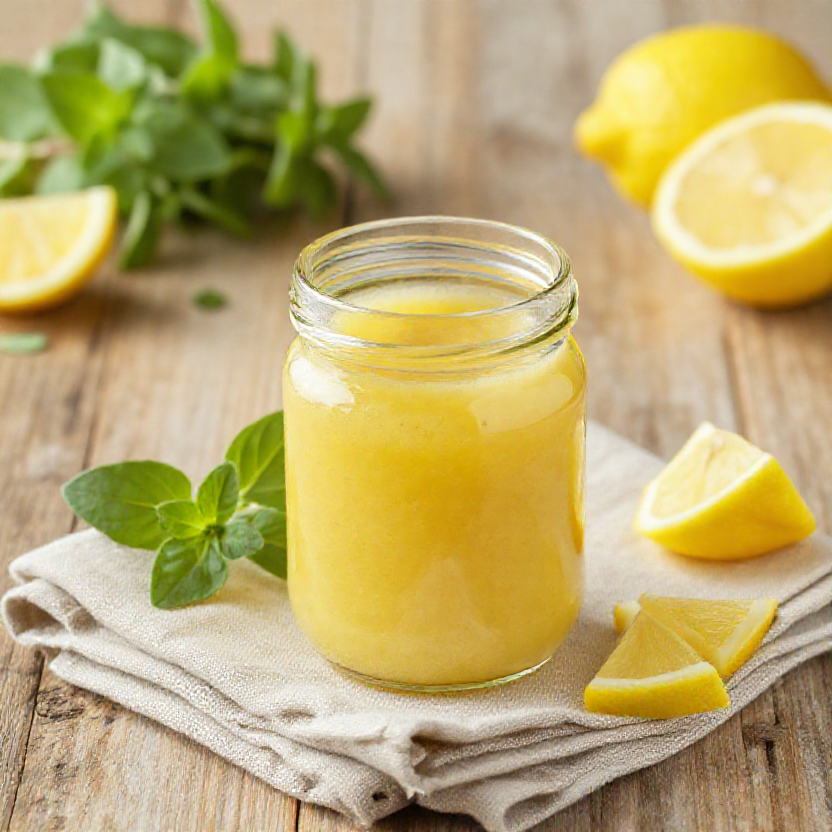
Bright and Zesty Lemon Vinaigrette Dressing Made Easy
Ingredients
Notes