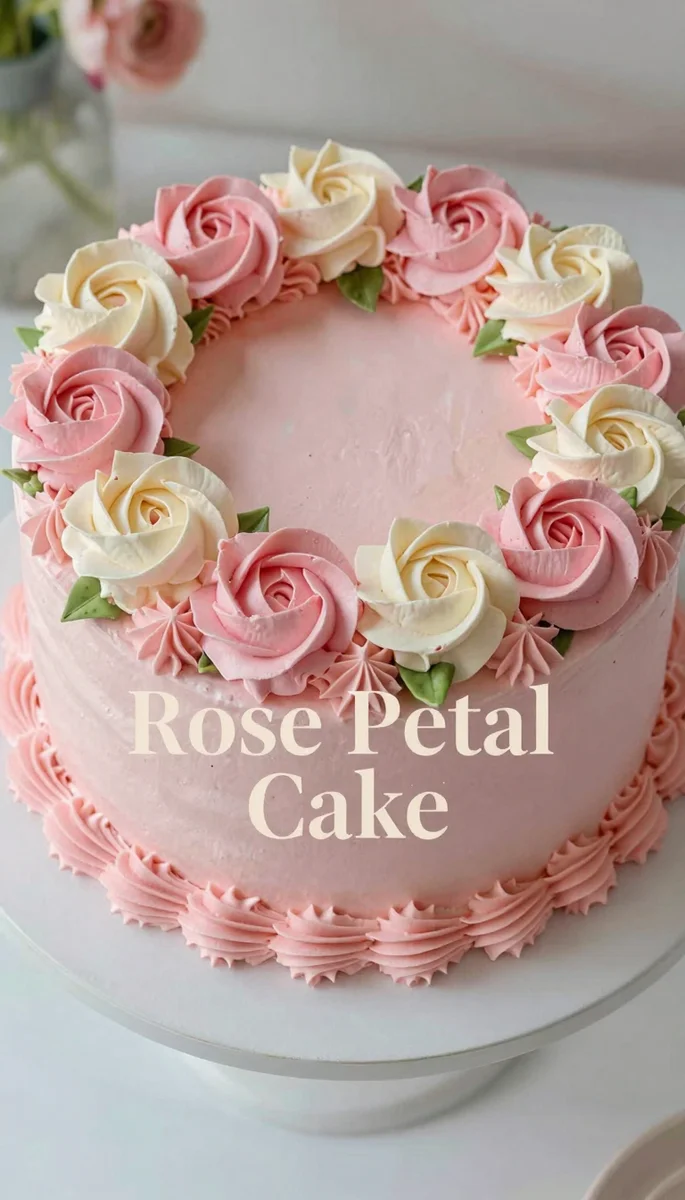
Elegant Rose Petal Cake Recipe
Crafting Memorable Moments with Minimal Effort
As a working mom of two from the Midwest, my weeknights used to be a frantic dash. Between school pickups, homework, and a full-time job, getting a nutritious and delicious dinner on the table felt like an Olympic sport. That’s when I discovered the absolute magic of meal prepping. It transformed our evenings from chaotic takeout runs into periods of calm, allowing us to connect as a family.
While meal prepping typically focuses on savory dishes, the principles of planning and efficiency extend beautifully into baking, especially when you’re preparing for a special occasion. This elegant Rose Petal Cake is a prime example. It looks sophisticated and intricate, suggesting hours in the kitchen, but with a little organization, it’s surprisingly straightforward to assemble. Think of it as ‘dessert prep’ – having your ingredients ready, understanding the steps, and allocating your time wisely can make all the difference between a rushed project and a genuinely satisfying baking experience.
This recipe is designed to bring a touch of refined beauty to your table without adding undue stress to your already packed schedule. It’s about creating something beautiful and memorable, just like those moments we reclaim during the week thanks to our batch-cooking efforts. So, let’s get organized and create a stunning floral cake that will impress without overwhelming your Sunday prep routine.
Table of Contents
- Crafting Memorable Moments with Minimal Effort
- Why This Recipe Works
- Ingredients You’ll Need
- Step-by-Step Instructions
- Pro Tips
- Variations & Substitutions
- Frequently Asked Questions
- Final Thoughts
Why This Recipe Works
This Rose Petal Cake isn’t just visually appealing; it’s a strategically sound recipe that aligns with the principles of efficient home management. Here’s why it deserves a spot in your repertoire, especially for those special occasions where you want to make an impact without the usual kitchen scramble:
- Efficient and Approachable Baking: Despite its sophisticated appearance, this is an easy recipe that doesn’t demand advanced baking skills. The steps are clear, the ingredient list is concise, and the baking time is relatively short. This makes it a fantastic option for bakers of all experience levels who want to create a stunning dessert without a lengthy commitment. It’s a quick win for your family’s next gathering or a thoughtful gift for a friend.
- Budget-Friendly Elegance: Opting to bake a beautiful pink cake at home versus purchasing one from a specialty bakery can result in significant savings. The ingredients for this floral cake are generally inexpensive and readily available at most grocery stores. By assembling it yourself, you gain complete control over the quality of the components and avoid the premium pricing associated with custom patisserie items. This allows you to allocate your budget towards other important aspects of your event or simply keep more funds available for your family’s needs. If you’re curious about the economics of baking, you might find our ultimate cake pricing guide quite informative.
- Customizable for Dietary Needs and Preferences: This foundational rose cake recipe provides an excellent base for various adjustments. You can easily substitute different types of milk to accommodate dietary restrictions or alter the coloring and garnishes to suit a specific theme. This adaptability ensures that your elegant dessert can cater to a broader audience, making it a versatile option for any event. Knowing you can tailor a recipe saves time and effort in searching for entirely new solutions. For example, if you’re exploring other tailored options, consider our vegan gluten-free cake for another specialized occasion.
Ingredients You’ll Need
Gathering all your ingredients before you begin is a crucial step in efficient baking. This mise en place approach ensures a stress-free process and prevents mid-recipe dashes to the pantry. Here’s what you’ll need for this delicate rose petal cake:
For the Cake:
- 1/2 cup (60g) all-purpose flour: The structural foundation of our cake. Ensure it’s fresh for optimal texture.
- 1/4 cup (50g) granulated sugar: Provides the essential sweetness and contributes to the cake’s tender crumb.
- 1/2 teaspoon baking powder: Our primary leavening agent, ensuring a light and airy texture.
- Pinch of salt: A small but mighty ingredient that balances the flavors and enhances the overall profile.
- 1/4 cup (60ml) milk (any kind): Adds moisture and richness. Dairy or non-dairy options work equally well.
- 2 tablespoons (30ml) vegetable oil or melted unsalted butter: For moisture and tenderness. Oil often yields a slightly lighter crumb, while butter adds a richer flavor.
- 1/2 teaspoon vanilla extract: A classic flavor enhancer that complements the rose notes beautifully.
- 1/4 teaspoon food-grade rose water (for cake): The star ingredient for our floral cake, providing its distinctive aroma and delicate taste. Ensure it’s food-grade for consumption.
- 1-2 drops pink food coloring (optional, for cake batter): To achieve that gentle, romantic pink hue. Adjust according to your preference for color intensity.
For the Frosting:
- 1/2 cup (60g) powdered sugar: The base for our smooth and pourable glaze. Sifting it can prevent lumps.
- 1-2 tablespoons milk or cream (for frosting): To achieve the correct consistency. Start with less and add gradually.
- 1/8 teaspoon food-grade rose water (for frosting): Reinforces the floral essence in the topping.
- 1 drop pink food coloring (optional, for frosting): To match or enhance the cake’s color.
For Garnish:
- Edible rose petals (fresh or dried, for garnish): The final elegant touch, adding visual appeal and a subtle aromatic element. Make sure they are food-safe.
- Small silver or pink sprinkles (optional, for garnish): To add a bit of sparkle and texture, complementing the overall aesthetic.
Step-by-Step Instructions
Following these steps precisely will ensure a successful bake. Remember, organization is key to a stress-free baking experience, just like it is with your weekly meal prep. Take your time, read through each instruction before you start, and enjoy the process of creating this beautiful floral cake.
Phase 1: Preparing the Cake Batter and Baking
- Preheat and Prepare Your Pan: Begin by preheating your oven to 350°F (175°C). This ensures the oven is at the correct temperature when your batter is ready, promoting even baking. Lightly grease and flour a small 4-inch round cake pan. If you don’t have a specific 4-inch pan, lining two standard cupcake molds will also work perfectly, yielding individual mini cakes. The goal is to prevent sticking and ensure easy release after baking.
- Combine Dry Ingredients: In a medium-sized mixing bowl, whisk together the all-purpose flour, granulated sugar, baking powder, and a pinch of salt. Whisking ensures these dry components are thoroughly combined and helps to aerate the flour, contributing to a lighter cake texture. This is a foundational step, much like organizing your ingredients for a batch of lasagna before you begin assembly.
- Combine Wet Ingredients: In a separate smaller bowl, whisk together the milk (whichever kind you’re using), vegetable oil (or melted butter if preferred), vanilla extract, 1/4 teaspoon of food-grade rose water, and the optional pink food coloring. Ensure all these liquids are well combined. The rose water is potent, so measure carefully to achieve a subtle, fragrant note rather than an overpowering one.
- Integrate Wet into Dry: Carefully pour the liquid mixture into the bowl containing your dry ingredients. Using a whisk or spatula, gently mix until just combined and smooth. The crucial part here is to avoid overmixing. Overmixing can develop the gluten in the flour too much, leading to a tough or dense cake. Mix only until no dry streaks of flour remain.
- Transfer and Bake: Pour your beautifully tinted and fragrant batter into the prepared cake pan or cupcake molds. Distribute it evenly. Place the pan in your preheated oven and bake for 15-20 minutes. The exact timing can vary based on your oven and the specific size of your pan. To check for doneness, insert a toothpick into the center of the cake; if it comes out clean, your cake is ready.
- Cooling Process: Once baked, remove the cake from the oven. Let it cool in the pan for approximately 5 minutes. This brief cooling period allows the cake to firm up slightly, making it less prone to breaking. After 5 minutes, carefully invert the cake onto a wire rack to cool completely. Ensuring the cake is fully cool before frosting is paramount, as warm cake will melt your glaze, resulting in a messy presentation.
Phase 2: Crafting the Frosting and Finishing
- Prepare the Frosting: While your cake is cooling, you can efficiently prepare the frosting. In a small bowl, whisk together the powdered sugar, starting with 1 tablespoon of milk or cream, the remaining 1/8 teaspoon of food-grade rose water, and an optional single drop of pink food coloring. Whisk until the mixture is smooth and consistent.
- Adjust Frosting Consistency: The key to a good glaze is consistency. If the frosting appears too thick, add more milk or cream, a tiny bit at a time (e.g., 1/2 teaspoon increments), whisking thoroughly after each addition. You are aiming for a pourable but still thick consistency that will adhere to the cake without running off completely. This controlled addition ensures you don’t accidentally thin it out too much.
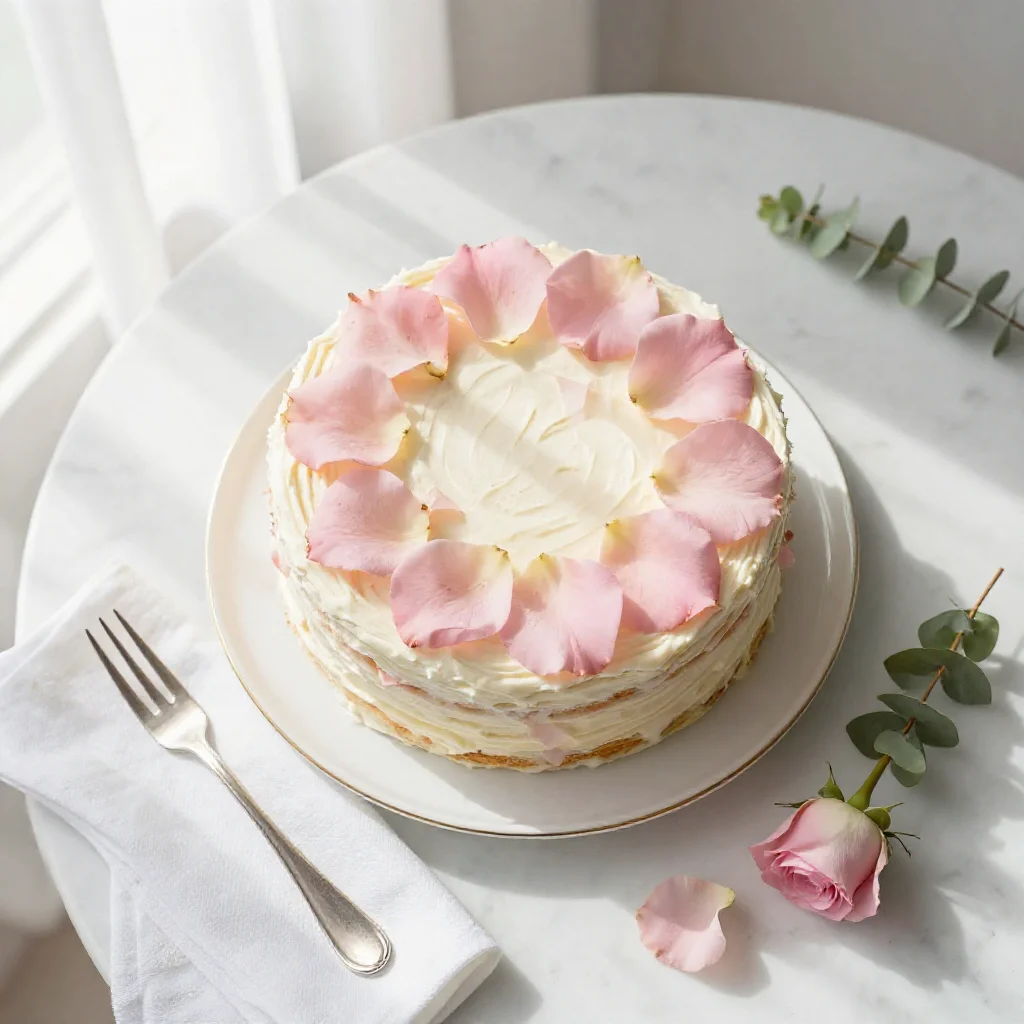
- Frost and Garnish: Once your cake is absolutely and completely cool to the touch, it’s time to apply the frosting. Spread or drizzle the rose-infused frosting evenly over the top of the cake. For the ultimate elegant presentation, carefully arrange edible rose petals on the frosted surface. If desired, scatter a few small silver or pink sprinkles for an added touch of sparkle. This final stage is where your decorative vision comes to life.
Pro Tips
Achieving a truly outstanding result with any recipe, even a straightforward one like this rose petal cake, often comes down to a few expert insights and techniques. These tips are designed to help you execute this dessert with precision and confidence, ensuring a beautiful and delicious outcome every time.
Precision in Measuring Rose Water: Rose water is a potent ingredient. A little goes a long way, and too much can quickly overpower the delicate flavor profile of the cake, making it taste soapy rather than subtly floral. Always measure precisely with a clean measuring spoon. For the cake batter, 1/4 teaspoon is sufficient. For the frosting, 1/8 teaspoon provides a lovely aromatic finish. If you’re new to using rose water, you might even consider starting with slightly less and doing a quick taste test (of the batter, before baking!) to adjust to your preference.
The Importance of Room Temperature Ingredients: For a consistently smooth and well-emulsified batter, ensure that your milk and any butter (if using melted butter instead of oil) are at room temperature. This allows them to integrate more effectively with the dry ingredients, preventing lumps and ensuring a uniform texture in the finished cake. Cold ingredients can cause the batter to seize or become lumpy, impacting the final crumb structure. Planning ahead to set out your milk 30 minutes before baking is a small step that yields significant benefits.
Cooling Completely is Non-Negotiable: I cannot stress this enough: your cake *must* be completely cool before you apply the frosting. Even slightly warm cake will cause the powdered sugar-based glaze to melt and run off, creating a messy situation and an uneven coating. Patience here is a virtue. If you’re pressed for time, you can carefully place the cooled-down-to-room-temperature cake (out of the pan, on the wire rack) in the refrigerator for 10-15 minutes to expedite the cooling process before frosting. This efficient approach ensures a clean, professional finish.
Thoughtful Garnish for Visual Impact: The edible rose petals are not just a garnish; they are central to the elegant aesthetic of this rose cake. Source food-grade rose petals, either fresh or dried, from a reputable supplier. If using fresh, ensure they are organic and free from pesticides. Arrange them artfully on the cake; a scattered look or a concentrated cluster can both be stunning. The optional sprinkles add a touch of sparkle, enhancing the visual appeal without detracting from the natural beauty of the petals. Presentation is key, especially for a special occasion cake.
Variations & Substitutions
One of the aspects I appreciate most about baking is the flexibility to adapt recipes to suit different tastes, dietary requirements, or simply to experiment with new flavor profiles. This elegant rose petal cake serves as an excellent foundation, allowing for various modifications without compromising its essential character. Here are some practical ideas to inspire your culinary creativity and make this recipe truly your own.
Alternative Extracts for Different Floral Notes: While rose water provides a distinct and romantic aroma, you can certainly explore other floral or fruity extracts to create a unique experience. Consider using a few drops of orange blossom water for a Mediterranean twist, or a hint of almond extract for a more traditional, nutty undertone. For a brighter, more citrusy profile, lemon or even a touch of lavender extract (used sparingly, as it can be potent) could be intriguing. Remember to adjust quantities carefully, as some extracts are stronger than others.
Color Customization: The delicate pink hue of this rose cake is certainly appealing, but don’t feel limited. You can easily omit the pink food coloring entirely for a pristine white cake, allowing the rose petals to provide the sole burst of color. Alternatively, for other special events or themes, you could incorporate other pastel food colorings – a soft lavender, a light mint green, or even a pale yellow could create a completely different aesthetic while maintaining the elegant essence. For those interested in diverse cake projects, exploring how to make a Bluey cake offers a completely different creative challenge!
Garnish Enhancements: Beyond the beautiful rose petals and sprinkles, consider other garnishes to elevate your cake. Fresh raspberries or sliced strawberries can add a vibrant color contrast and a fresh, tart counterpoint to the sweet cake. A light dusting of finely chopped pistachios could introduce a textural element and a subtle green shade that pairs well with pink. For a truly decadent finish, a drizzle of melted white chocolate or a few curls of dark chocolate could transform this into a more indulgent dessert. Each addition should be considered for its contribution to both flavor and visual appeal, ensuring a harmonious outcome.
Exploring Different Cake Bases: While this recipe is straightforward, if you’re looking for different flavor foundations, the concept of a delicate frosting and floral garnish can be applied elsewhere. For instance, imagine this rose water frosting on a rich ultimate chocolate indulgence cake – the contrast could be quite striking. Or, for a lighter, fruitier option, a simple vanilla or even a lemon cake base would pair wonderfully with the rose notes. The key is to ensure the base flavor doesn’t overpower the delicate rose. This flexibility allows you to adapt the elegance of the rose petal cake to almost any cake preference.
Frequently Asked Questions
To ensure your baking experience is as smooth and predictable as possible, I’ve compiled answers to some common questions that might arise when preparing this elegant rose petal cake. These practical insights should help you troubleshoot and achieve a flawless result.
Can I make this cake ahead of time?
Yes, you absolutely can! To keep things stress-free, you can bake the cake layers up to 1-2 days in advance. Once completely cooled, wrap them tightly in plastic wrap and store them at room temperature. For longer storage, you can freeze the unwrapped cake layers for up to a month; just ensure they are thoroughly wrapped in plastic and then foil to prevent freezer burn. Thaw completely at room temperature before frosting. The frosting can also be made a day in advance and stored in an airtight container in the refrigerator, then whisked again before use to restore its smooth consistency. This efficient planning is a cornerstone of my approach to special occasion baking.
Where can I find food-grade rose water and edible rose petals?
Food-grade rose water is typically available in the international foods aisle of larger grocery stores, specialty Mediterranean or Middle Eastern markets, or online retailers. Look for brands specifically labeled ‘food-grade’ or ‘culinary rose water.’ For edible rose petals, these can be found at specialty baking supply stores, health food stores, or again, online. If using fresh petals, ensure they are organic and specifically grown for culinary use, free from pesticides or chemical treatments. Never use roses from a florist or garden unless you are certain they are safe for consumption.
How should I store leftover rose petal cake?
To maintain the freshness and delicate flavor of your rose petal cake, store any leftovers in an airtight container at room temperature for up to 2 days. If your kitchen is particularly warm, or if you prefer a firmer cake, you can refrigerate it for up to 4 days. Before serving, allow refrigerated cake to come to room temperature for about 15-20 minutes to ensure the best texture and flavor. The airtight container is crucial to prevent the cake from drying out and absorbing other fridge odors.
Can I scale this recipe to make a larger cake?
This recipe is written for a small 4-inch round cake or two standard cupcakes. To make a larger cake, you would need to adjust the ingredient quantities accordingly. For instance, to make a standard 8-inch round cake (which typically yields 8-12 servings), you would generally multiply all ingredients by approximately 4 or 5 times. However, baking times and pan preparation would also need to be adjusted significantly. I recommend finding a dedicated recipe for a larger cake with rose water, as simply scaling up can sometimes alter the delicate balance and texture. It’s often more efficient to follow a recipe specifically designed for the desired size to ensure optimal results.
Final Thoughts
Creating something as elegant and refined as this Rose Petal Cake might seem like a grand undertaking, especially when you’re balancing a full-time job and family commitments. However, my journey with meal prepping has taught me that with a bit of planning and an organized approach, even the most seemingly elaborate tasks can become manageable and genuinely enjoyable. This recipe is a testament to that philosophy.
It’s about more than just the ingredients and the steps; it’s about the satisfaction of presenting a beautiful, homemade dessert that truly makes an occasion feel special. By focusing on efficient preparation, understanding your ingredients, and following clear instructions, you can produce a stunning floral cake that will undoubtedly be appreciated. This ensures your evenings remain open for what truly matters, whether that’s family time, a quiet moment, or just recharging after a busy day.
I genuinely hope this elegant dessert brings a touch of refined beauty to your next gathering and demonstrates that sophisticated baking doesn’t have to be a source of stress. Give this rose cake a try, and discover how straightforward it can be to create something truly exceptional. I’m confident you’ll appreciate the delicate flavors and the impressive presentation that requires minimal fuss.
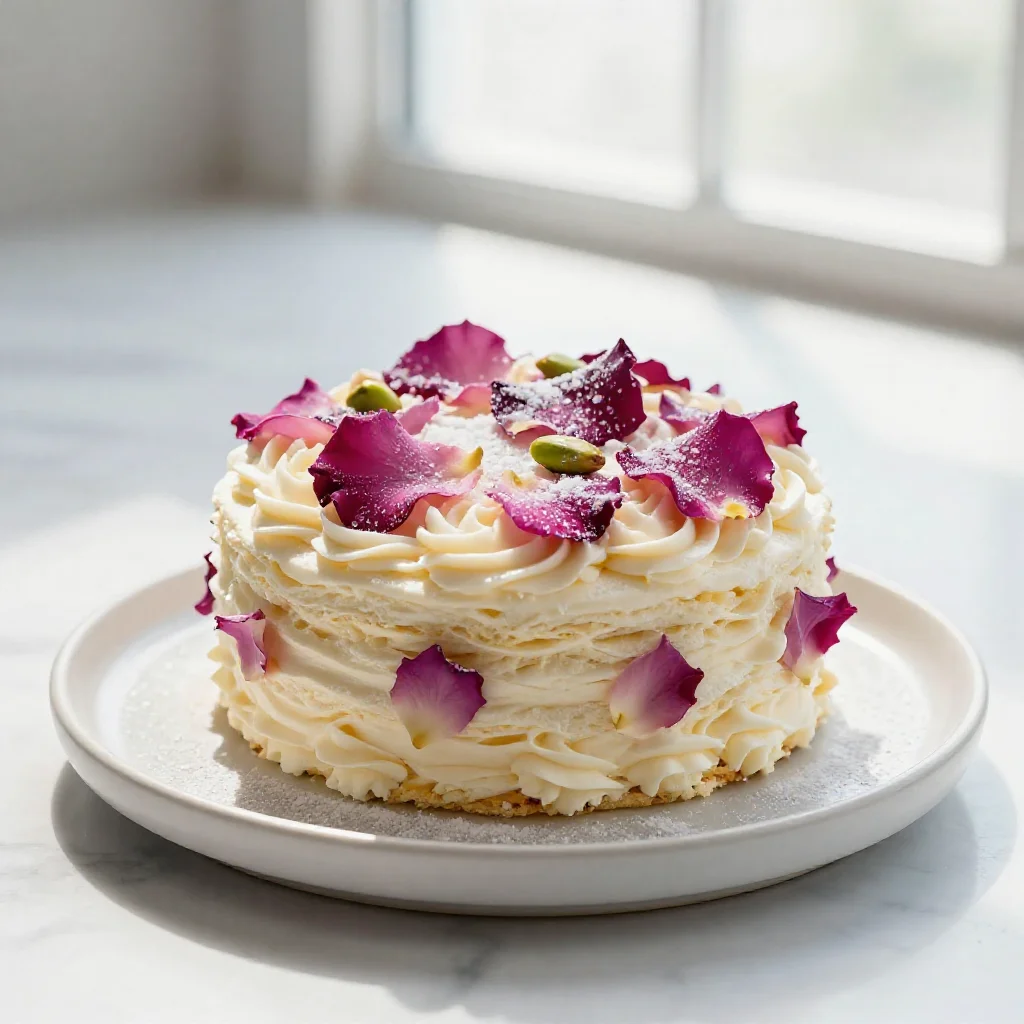
Rose Petal Mini Cake
Ingredients
Method
- Preheat your oven to 350°F (175°C). Lightly grease and flour a small 4-inch round cake pan or line two standard cupcake molds.
- In a medium bowl, whisk together the all-purpose flour, granulated sugar, baking powder, and salt.
- In a separate small bowl, whisk together the milk, vegetable oil (or melted butter), vanilla extract, 1/4 teaspoon rose water, and pink food coloring (if using).
- Pour the wet ingredients into the dry ingredients and mix gently until just combined and smooth. Do not overmix.
- Pour the batter into the prepared cake pan or cupcake molds.
- Bake for 15-20 minutes, or until a toothpick inserted into the center comes out clean.
- Let the cake cool in the pan for 5 minutes, then carefully transfer it to a wire rack to cool completely.
- While the cake cools, prepare the frosting: In a small bowl, whisk together the powdered sugar, 1 tablespoon of milk (or cream), 1/8 teaspoon rose water, and pink food coloring (if using) until smooth. Add more milk, a tiny bit at a time, if needed to reach a pourable but thick consistency.
- Once the cake is completely cool, spread or drizzle the frosting evenly over the top.
- Garnish with edible rose petals and sprinkles, if desired, for a beautiful finish.
Notes
Loved this recipe? Save it to your favorite Pinterest board so you can easily find it later! ✨