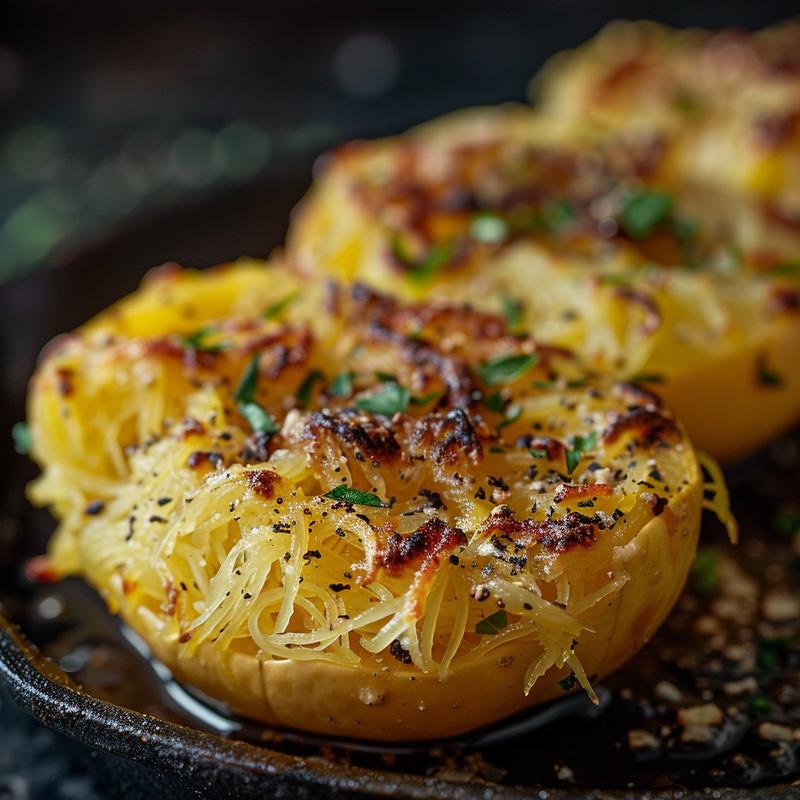
Welcome to the art of cooking spaghetti squash, a delightful and versatile vegetable that has captured the hearts of many culinary enthusiasts. This guide not only walks you through the process of roasting spaghetti squash to perfection but also offers insights into its history, health benefits, and multiple ways to enjoy it. By the end of this article, you will see why mastering this technique is a valuable skill in your culinary repertoire.
Spaghetti squash has gained immense popularity as a low-carb alternative to traditional pasta. Its unique texture and mild flavor make it an ideal canvas for countless dishes. Whether you’re a seasoned cook or a curious beginner, this guide is designed to enhance your cooking skills and inspire you to create meals that are both nourishing and delicious.
Why You’ll Love This Recipe
- Healthy Alternative: Spaghetti squash is low in calories and high in nutrients, making it a fantastic substitute for traditional pasta.
- Versatile Dish: This squash can be paired with a variety of sauces or toppings, allowing you to customize it to your liking.
- Simple Preparation: The roasting process is straightforward and requires minimal ingredients—just squash, olive oil, salt, and pepper!
- Meal Prep Friendly: Cook a large batch and store it for easy meal prep throughout the week.
- Great for All Diets: Whether you’re vegan, gluten-free, or simply looking to eat healthier, spaghetti squash fits seamlessly into any diet.
Ingredients Breakdown
To create beautifully roasted spaghetti squash, you will need the following:
- 1 medium spaghetti squash
- 2 tablespoons olive oil
- Salt and pepper to taste
- Optional: herbs or spices for seasoning, such as garlic powder, Italian herbs, or red pepper flakes.
Pro Tips for Perfect Roasting
Here are some expert insights to elevate your spaghetti squash roasting skills:
- Choose the Right Squash: Look for a squash that feels heavy for its size and has a smooth, firm skin.
- Sharp Knife Required: Use a sharp knife to cut the squash in half, as it can be quite tough to slice through.
- Cut Lengthwise: Always cut the squash lengthwise to create longer strands when scraping.
- Don’t Skip the Parchment Paper: Lining your baking sheet with parchment paper prevents sticking and makes cleanup a breeze.
- Test for Tenderness: The squash is done when you can easily pierce the flesh with a fork.
- Let it Cool: Allowing the squash to cool slightly before scraping helps to avoid burns and makes handling easier.
- Experiment with Seasonings: Feel free to get creative with herbs and spices to enhance the flavor profile of your dish.
- Store Properly: If you have leftovers, store them in an airtight container in the refrigerator for up to five days.
Common Mistakes and Troubleshooting
Even the best chefs can run into challenges. Here are some common mistakes to avoid when cooking spaghetti squash:
- Overcooking: Be careful not to over-roast your squash; it should be tender but not mushy.
- Undercooking: If the strands are still hard, return the squash to the oven for an additional 5-10 minutes.
- Improper Seasoning: Don’t be afraid to season generously; bland squash can be a disappointing experience.
- Not Scraping Correctly: Use a fork to scrape the insides gently; being too aggressive can lead to mushy strands.
Variations of Spaghetti Squash Dishes
Once you’ve mastered basic roasted spaghetti squash, consider trying these delicious variations:
- Spaghetti Squash Primavera: Toss roasted strands with sautéed vegetables and a light olive oil or lemon dressing.
- Italian Baked Spaghetti Squash: Fill the squash with marinara sauce and mozzarella cheese, then bake until bubbly.
- Spaghetti Squash Pad Thai: Use the squash in place of noodles in a traditional Pad Thai recipe for a gluten-free option.
- Spaghetti Squash Salad: Combine cold roasted squash with fresh greens, nuts, and a tangy vinaigrette for a refreshing salad.
Storage and Make-Ahead Instructions
To enjoy spaghetti squash throughout the week, consider these storage tips:
- Refrigeration: Store cooked spaghetti squash in an airtight container for up to five days.
- Freezing: For longer storage, freeze cooked strands in a freezer-safe bag for up to three months.
- Reheating: Simply microwave or sauté the squash strands to reheat; avoid overcooking.
Frequently Asked Questions
Here are some common questions about cooking and using spaghetti squash:
- Can I microwave spaghetti squash? Yes, you can microwave it by placing a half in a microwave-safe dish with a little water, covering it, and cooking on high for 10-15 minutes.
- Is spaghetti squash gluten-free? Absolutely! It’s a perfect alternative for those with gluten sensitivities.
- How do I know when it’s cooked? When the flesh is easily pierced with a fork and the strands separate easily, it’s done.
- Can I eat the skin? The skin is edible but may be tough; most people prefer to eat the flesh inside.
- What are some good toppings for spaghetti squash? Try marinara sauce, pesto, olive oil with garlic, or sautéed vegetables!
- How do I clean spaghetti squash? Simply rinse it under cold water to remove any dirt before cooking.
- Can I bake spaghetti squash whole? Yes, but it will take longer to cook. Make sure to pierce it several times to allow steam to escape.
- How can I incorporate spaghetti squash into my diet? Use it as a base for your favorite pasta dishes, in salads, or even as a substitute in casseroles.
Nutritional Tips and Dietary Adaptations
Spaghetti squash is not only delicious but also packed with nutrients. Here’s why you should include it in your diet:
- Low in Calories: One cup of cooked spaghetti squash has only about 42 calories, making it an excellent choice for weight management.
- High in Fiber: It provides a good amount of dietary fiber, promoting digestive health.
- Rich in Vitamins: Spaghetti squash contains vitamins A, C, and several B vitamins, contributing to overall health.
Equipment Recommendations
To ensure a successful cooking experience, having the right equipment is essential:
- Sharp Chef’s Knife: A must for cutting through the tough skin of the squash.
- Baking Sheet: A sturdy baking sheet is ideal for roasting your squash evenly.
- Parchment Paper: Helps prevent sticking and simplifies cleanup.
- Fork: A simple tool for scraping the flesh into strands.
Serving Suggestions
Once your spaghetti squash is perfectly roasted, consider these serving suggestions:
- With Marinara Sauce: Top with your favorite marinara sauce and fresh basil for an Italian twist.
- With Pesto: Toss the strands with homemade or store-bought pesto for a quick, flavorful dish.
- As a Side Dish: Serve it alongside grilled meats or roasted vegetables for a complete meal.
In conclusion, mastering the art of cooking spaghetti squash is not only rewarding but also allows you to embrace creativity in the kitchen. As you explore this versatile vegetable, remember that the journey of cooking is about enjoying the process and discovering new flavors. Thank you for joining me on this culinary adventure—now go forth and create delicious meals with your perfectly roasted spaghetti squash!
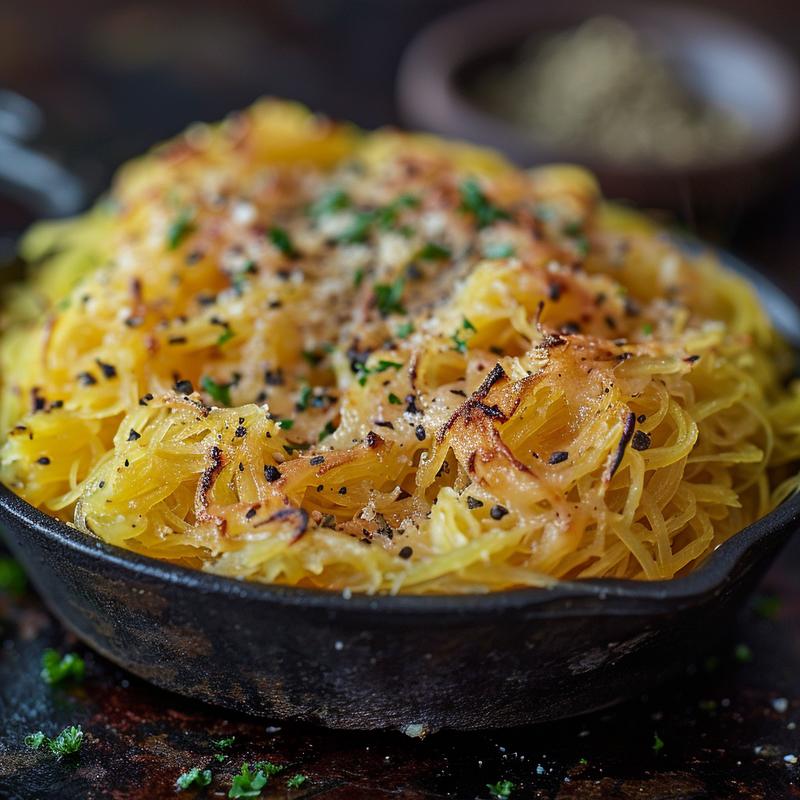
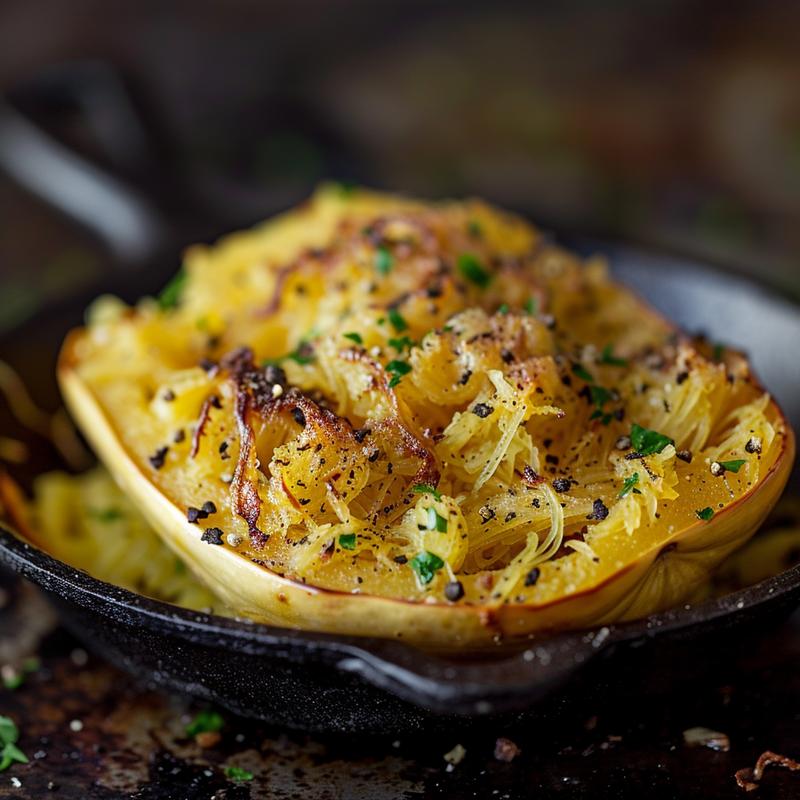
Roasted Spaghetti Squash {How to Cook Spaghetti Squash} – Well Plated
Ingredients
Method
- Preheat oven to 400°F (200°C).
- Cut squash in half, remove seeds, and brush with olive oil. Season with salt and pepper.
- Place cut-side down on a baking sheet and roast for 30-40 minutes until tender.
- Let cool slightly, then scrape flesh into spaghetti-like strands with a fork.
- Serve immediately or with your favorite sauce or toppings.
Notes
Loved this recipe? Save it to your favorite Pinterest board so you can easily find it later! ✨