
Simple Scrambled Eggs: The Easiest Recipe
Mastering Weekday Mornings: A Simple Solution
As a working mom of two from the Midwest, I know firsthand how challenging it can be to navigate busy weekday mornings. There was a time when my family and I were constantly rushing, grabbing whatever was quickest, or worse, resorting to takeout far too often. The exhaustion was real, and I knew something had to change. That’s when I truly embraced the absolute magic of meal prepping. It’s not just about elaborate Sunday cooks; it’s about having a repertoire of quick, reliable recipes that make mornings and evenings run smoother. This simple scrambled egg recipe is a prime example of how a minimal time investment can yield significant returns in terms of a stress-free start to your day.
My goal with this space is to share realistic, budget-friendly meal prep plans and recipes that truly keep your fridge stocked, your family fed, and your evenings open for what truly matters. This isn’t about perfection; it’s about practical solutions. Learning to make perfect scrambled eggs might seem basic, but it’s a foundational skill for efficient kitchen management. It’s a quick, high-protein option that can stand alone or be part of a larger, batch-cooked breakfast spread. No more scrambling for breakfast (pun intended!) when you have this foolproof method in your back pocket. Let’s get you equipped to conquer those mornings with a wholesome, satisfying meal that takes mere minutes.
Even for something as quick as scrambled eggs, understanding the right technique can elevate it from merely edible to truly exceptional. This recipe isn’t just about mixing and heating; it’s about achieving that ideal fluffy texture and rich flavor without overcooking. It’s a testament to how even the simplest ingredients, handled correctly, can become a staple that saves you time and energy. Whether you’re making a single serving for yourself or a larger batch for the whole family, this approach ensures consistency and quality every time. It’s an essential tool in your arsenal for keeping weeknights efficient and your budget intact.
Table of Contents
- Mastering Weekday Mornings: A Simple Solution
- Why This Recipe Works
- Ingredients You’ll Need
- Step-by-Step Instructions
- Pro Tips
- Variations & Substitutions
- FAQ
- Final Thoughts
Why This Recipe Works
This simple scrambled egg recipe isn’t just easy; it’s incredibly effective for a multitude of reasons, making it a cornerstone in any efficient kitchen, especially for those focused on budget-friendly and stress-free meal solutions.
- Speed & Efficiency: In the world of busy schedules, every minute counts. This recipe delivers perfectly cooked scrambled eggs in under five minutes, from cracking to plate. This speed makes it an unparalleled option for quick breakfasts before school or work, ensuring you start your day nourished without sacrificing precious time. It’s the ultimate quick breakfast solution, eliminating the need for complex preparations or lengthy cooking times, fitting seamlessly into even the most hectic routines.
- Budget-Friendly: Eggs are one of the most economical and accessible protein sources available. This recipe relies on minimal, everyday ingredients that are typically already in your fridge or pantry, making it an incredibly budget-friendly meal. You get high-quality protein and essential nutrients without a hefty grocery bill, which is crucial when planning meals for a family. It’s a smart choice for keeping food costs down while maintaining nutritional value, proving that wholesome eating doesn’t have to be expensive.
- Versatility: While simple scrambled eggs are fantastic on their own, this recipe serves as a brilliant base for countless variations. You can easily adapt it with different seasonings, cheeses, or vegetables to suit your preferences or whatever you have on hand. This versatility makes it a practical option for using up small amounts of leftovers, preventing food waste, and keeping your meals interesting. It’s a foundational egg recipe that can be transformed daily, preventing meal fatigue and ensuring satisfaction every time.
The straightforward nature of this recipe means that even novice cooks can achieve excellent results, building confidence in the kitchen. For those of us who appreciate the organizational aspects of meal prepping, knowing you have such a reliable and adaptable recipe means one less decision to make during a busy week. It truly embodies the spirit of practical and stress-free cooking.
Ingredients You’ll Need
Gathering your ingredients before you begin is a key step in efficient cooking. For this simple scrambled egg recipe, the list is short and sweet, emphasizing how easily you can create a satisfying meal with minimal fuss. Quality ingredients always make a difference, so choose the freshest eggs you can find.
- 2 large eggs
- 1 tablespoon milk (optional, but recommended for extra fluffiness)
- Pinch of salt
- Pinch of black pepper
- 1 teaspoon butter or oil (I prefer butter for flavor, but oil works just as well)
That’s it! Simple, right? These basic components are all you need to create a truly delicious and perfectly textured scrambled egg dish. Having these staples on hand is essential for those quick morning meals, and they are always a budget-friendly choice.
Step-by-Step Instructions
Achieving perfect scrambled eggs is all about technique and heat management. Follow these detailed steps, and you’ll be serving up fluffy, delicious eggs every single time. This method is designed to be straightforward, ensuring success even on the busiest of mornings.
Prepare the Eggs: Crack the two large eggs into a small bowl. Add the optional tablespoon of milk. The milk helps to thin the egg mixture slightly, leading to a creamier and often fluffier final product. If you prefer, a splash of water works similarly, or you can omit it entirely for a richer, more egg-forward scramble.
Season and Whisk: Add a pinch of salt and a pinch of black pepper to the bowl. Now, here’s a crucial step: whisk the eggs vigorously with a fork until the yolks and whites are thoroughly combined and slightly frothy. This isn’t just about mixing; it’s about incorporating air into the eggs, which contributes significantly to their light and airy texture. Don’t be shy with the whisking; a minute or so of steady effort makes a real difference.
Heat the Pan: Place a non-stick skillet over medium-low heat. Add the teaspoon of butter or oil. Allow the butter to melt completely and shimmer, or the oil to become slightly glossy. The key here is medium-low heat. High heat will cook the eggs too quickly on the outside, leaving the inside uncooked or making them tough and rubbery. Patience with heat is essential for a tender scramble.
Pour the Eggs: Once your pan is properly heated and coated, pour the whisked egg mixture directly into the hot skillet. Resist the urge to start stirring immediately. Let the eggs sit undisturbed for about 30 seconds. This allows the bottom layer to just begin to set, forming a delicate base that will be easier to manage as you scramble.
Begin to Scramble: Using a heat-resistant spatula, gently push the cooked edges of the egg towards the center of the pan. As you do this, tilt the pan slightly to allow any uncooked liquid egg to flow underneath the partially cooked sections. Continue this gentle folding and pushing motion. The goal is to move the setting egg, allowing the raw egg to come into contact with the hot surface, rather than aggressively stirring.
Cook to Perfection: Keep folding and scrambling gently until the eggs are mostly set but still slightly moist and glossy. This is a critical point: do not overcook! Overcooked scrambled eggs become dry, crumbly, and lose their delicate texture. They will continue to cook slightly even after removed from the heat, so taking them off when they still appear a tiny bit underdone ensures they reach the perfect consistency on your plate.
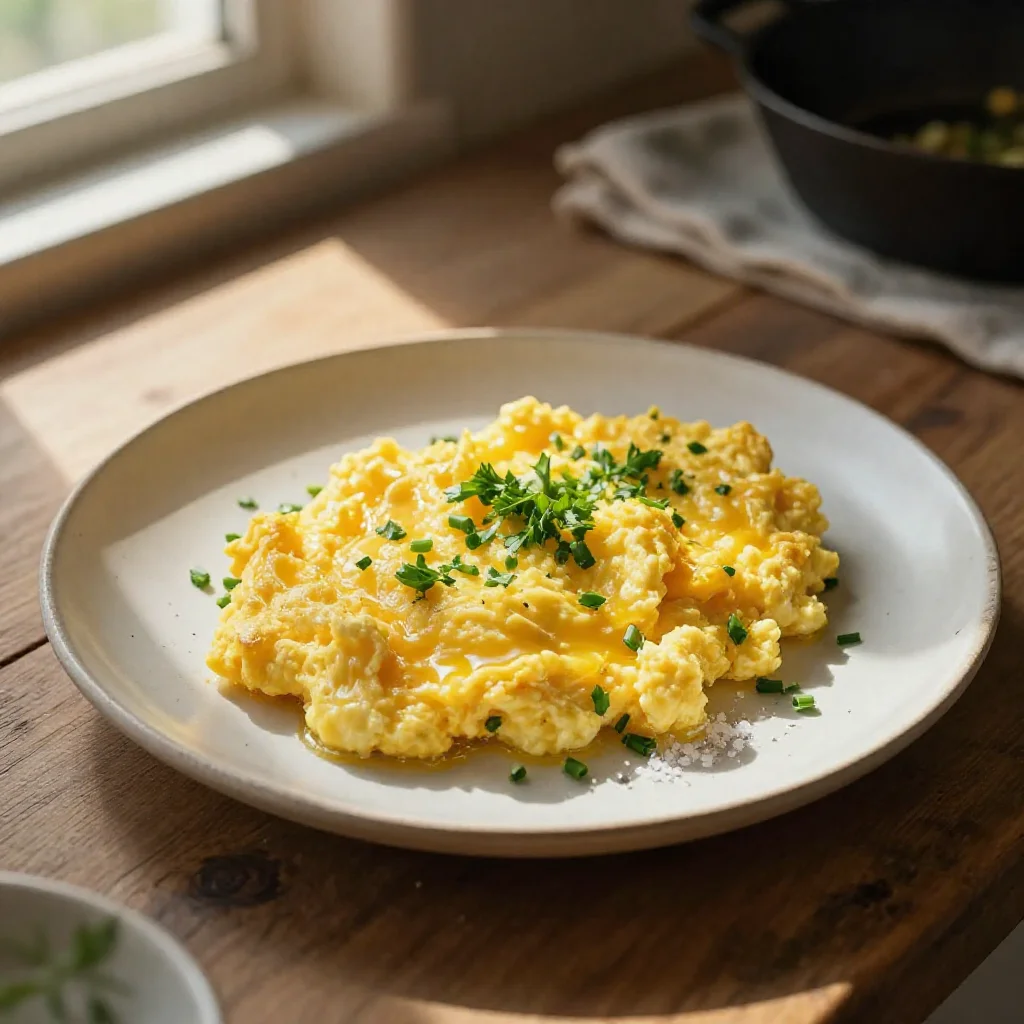
Serve Immediately: Remove the skillet from the heat and transfer your perfectly scrambled eggs directly to your plate. Garnish with a little extra salt, pepper, or fresh herbs if desired. Serve them right away to experience them at their best texture and temperature. This straightforward process makes them ideal for a quick breakfast or a satisfying addition to any brunch spread.
Mastering these steps means you’ll always have a reliable, stress-free breakfast option ready in minutes. It’s a foundational recipe that makes weekday mornings much more manageable.
Pro Tips for Perfect Scrambled Eggs
Even with a simple recipe, a few expert insights can elevate your cooking and ensure consistently excellent results. These pro tips are designed to help you achieve the absolute best texture and flavor from your scrambled eggs, making them a true culinary asset in your busy life.
Don’t Overcook Them: This is arguably the most important tip. Scrambled eggs continue to cook for a short period even after they’re removed from the heat. To prevent them from becoming dry, rubbery, or tough, take them off the heat when they still look slightly moist and glossy, with a bit of unset egg visible. They should have a soft, custardy appearance. This technique ensures a tender, creamy consistency that is far more appealing than an overdone scramble.
Control Your Heat: Medium-low heat is your best friend when it comes to scrambled eggs. High heat will cause the proteins in the eggs to seize up too quickly, leading to a rubbery texture and uneven cooking. Cooking slowly over lower heat allows the eggs to cook gently and evenly, resulting in a much creamier and more consistent texture throughout. Patience here truly pays off with superior results.
Whisk Vigorously: Don’t just lightly stir your eggs. Whisk them vigorously with a fork or a small whisk until the yolks and whites are completely homogenous and slightly frothy. This action incorporates air into the mixture, which contributes significantly to the light and fluffy texture of the finished eggs. A well-whisked egg mixture ensures uniform cooking and a more appealing final product.
Consider Your Pan: A good quality non-stick skillet is essential for making perfect scrambled eggs. It prevents sticking, makes flipping and folding easier, and ensures easy cleanup. If you don’t have a non-stick pan, ensure your regular pan is well-seasoned or use a bit more butter or oil to prevent sticking. Using the right tools is part of an efficient kitchen.
Batch Cooking Eggs? While fresh scrambled eggs are always best, you can definitely make a larger batch for quick additions to other meals. Cook them slightly less than you normally would, then cool quickly and store in tupperware. Reheat gently in a microwave or a pan with a splash of milk. They are perfect for preparing a high-protein breakfast bowl on a busy Monday morning!
Implementing these practical tips will transform your simple scrambled eggs into a consistently excellent meal, a testament to efficient cooking and careful preparation.
Variations & Substitutions
One of the best aspects of simple scrambled eggs is their incredible adaptability. This basic recipe is a fantastic canvas for incorporating different flavors and ingredients, allowing you to customize your breakfast to your preferences or whatever you have available. This is where the budget-friendly and stress-free aspects of cooking really shine, as you can transform a simple meal with minimal effort.
Cheesy Scramble: For an extra layer of richness, sprinkle about 1-2 tablespoons of shredded cheese (cheddar, Monterey Jack, or a blend work wonderfully) into the eggs just as they are beginning to set. Stir gently to incorporate, allowing the cheese to melt into the creamy eggs. This is a classic addition that always hits the spot.
Herbed Eggs: Fresh herbs add a vibrant aroma and flavor. Finely chop a tablespoon of chives, parsley, dill, or a mix of your favorites and stir them into the egg mixture before cooking, or sprinkle them over the finished eggs. This simple addition elevates the dish significantly.
Veggie-Packed Scramble: For a more substantial and nutrient-dense meal, sauté some finely diced vegetables before adding the eggs. Think bell peppers, onions, mushrooms, or spinach. Cook them until tender-crisp, then pour the egg mixture over them and proceed with the scrambling steps. This is a fantastic way to incorporate more vegetables into your breakfast and can turn a simple scramble into a complete meal. For other versatile egg ideas, consider options like avocado egg toast, which offers another quick and nutritious meal.
Protein Boost: Add cooked, crumbled bacon, diced ham, or sausage to your scrambled eggs. Cook the meat beforehand, then either mix it into the eggs while they’re cooking or sprinkle it on top just before serving. This turns your simple eggs into a more hearty and satisfying meal, perfect for a fuel-filled start to your day.
Dairy-Free Options: If you’re avoiding dairy, simply omit the milk. You can use a splash of unsweetened plant-based milk (like almond or oat milk) or even just water for a similar effect on texture. Use olive oil or another plant-based oil instead of butter for cooking. This ensures everyone can enjoy these delicious eggs, regardless of dietary needs. For more ideas tailored to specific dietary requirements, you might explore various gluten-free brunch ideas.
Spice It Up: A pinch of red pepper flakes, a dash of hot sauce, or a sprinkle of paprika can add a welcome kick to your eggs. Adjust the amount according to your preference for heat. Even simple changes like this keep your meals exciting and prevent routine fatigue.
With these variations, your basic scrambled eggs can be transformed into a fresh and exciting meal every time, proving that budget-friendly and efficient cooking doesn’t have to be monotonous. While you’re exploring breakfast options, don’t forget classics like a fluffy pancake recipe for those weekend mornings when you have a bit more time!
Frequently Asked Questions About Scrambled Eggs
I often get questions about how to perfect even the simplest dishes, and scrambled eggs are no exception! Here are some common inquiries and my practical answers to help you master this quick breakfast staple, ensuring your efforts in the kitchen are always efficient and yield excellent results.
Why do you add milk (or water) to scrambled eggs?
Adding a small amount of milk or water (about 1 tablespoon per 2-3 eggs) is optional, but it serves a couple of purposes. The liquid helps to thin out the egg mixture, which can lead to a creamier, more tender, and slightly fluffier final product. It essentially steams the eggs from the inside, preventing them from becoming dense and dry. If you prefer a richer, more intensely eggy flavor, you can certainly omit it, but for that classic light and airy scramble, a splash of liquid is a beneficial addition.
How do I prevent my scrambled eggs from becoming rubbery?
Preventing rubbery eggs comes down to two main factors: heat control and not overcooking. Always cook your scrambled eggs over medium-low heat. High heat causes the egg proteins to contract too rapidly and squeeze out moisture, resulting in a tough texture. Additionally, remove the eggs from the heat when they are still slightly moist and glossy, not completely dry. They will continue to cook a bit from residual heat. This ensures they remain tender and custardy, which is the ideal consistency.
Can I meal prep scrambled eggs?
While scrambled eggs are best enjoyed fresh, you can certainly meal prep them for certain applications, especially if you’re aiming for efficient batch-cooking. Cook them slightly less than you normally would, so they are still very soft. Allow them to cool completely before storing them in an airtight tupperware container in the refrigerator for up to 3 days. To reheat, gently warm them in a non-stick pan over low heat with a tiny splash of milk or water, or microwave them in short bursts, stirring frequently, until just warmed through. They’re excellent for adding to breakfast burritos or a high-protein breakfast bowl for a quick weekday meal.
What are some good pairings to serve with scrambled eggs?
Scrambled eggs are incredibly versatile and pair well with almost anything! For a classic breakfast, consider serving them alongside whole-wheat toast, crispy bacon, sausage, or fresh fruit. They also make an excellent component of a larger brunch spread, perhaps with roasted potatoes or a side salad. For those looking for more substantial breakfast ideas, they integrate perfectly into a hearty breakfast casserole or on top of a warm tortilla. The possibilities are truly endless, making them a staple for any meal occasion.
Final Thoughts on Your Stress-Free Scramble
There you have it – the definitive guide to simple scrambled eggs, a recipe that truly embodies my approach to practical, budget-friendly, and stress-free cooking. As a working mom from the Midwest, I know the value of having reliable, quick breakfast ideas that don’t require extensive planning or specialized ingredients. This method for scrambled eggs is more than just a recipe; it’s a cornerstone for efficient meal management, ensuring you can feed yourself and your family well, even on the busiest of mornings.
My hope is that by mastering this foundational egg recipe, you’ll feel more confident and organized in your kitchen. It’s about spending a few minutes at the stove to gain back precious time later, allowing your evenings to be open for what truly matters – whether that’s family time, personal relaxation, or tackling that never-ending laundry pile. This is the essence of effective batch-cooking and meal prepping, even for daily staples. Having a delicious, high-protein option ready in minutes is a game-changer for maintaining a balanced and stress-free routine.
So, I encourage you to give this simple scrambled egg recipe a try this week. Practice the whisking, pay attention to that medium-low heat, and don’t be afraid to pull them off the stove when they’re still just a touch moist. You’ll be amazed at the difference these small techniques can make. Once you’ve mastered the basics, feel free to experiment with the variations – add some cheese, fresh herbs, or a handful of spinach. Make it your own, and make it work for your busy schedule.
I’m here to help you stock your fridge, keep your family fed, and simplify your life, one realistic recipe at a time. This simple scrambled egg recipe is just the beginning of how efficient and satisfying your mornings can become. Here’s to many more stress-free breakfasts and well-managed weeks!
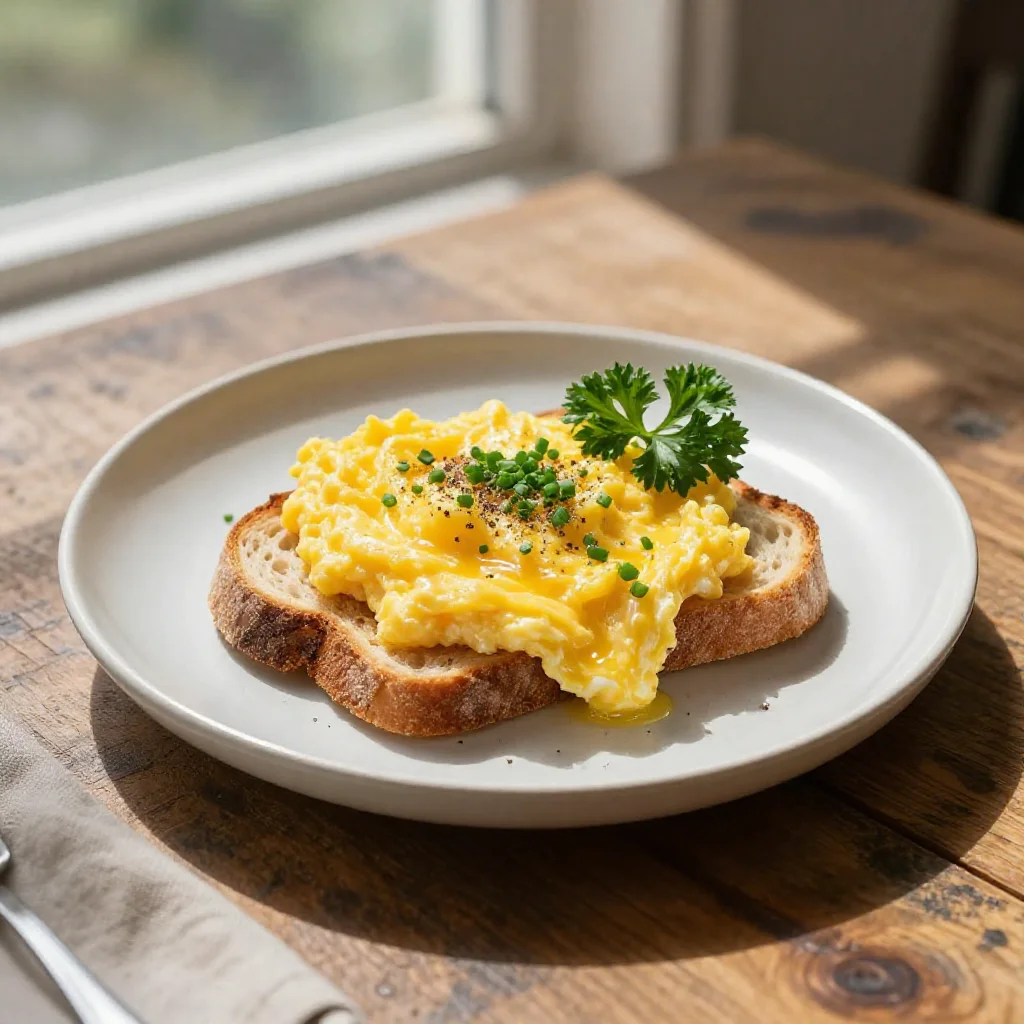
Simple Scrambled Eggs
Ingredients
Method
- Crack the eggs into a small bowl. Add milk (if using), salt, and pepper.
- Whisk the eggs vigorously with a fork until the yolks and whites are fully combined and slightly frothy.
- Heat butter or oil in a non-stick skillet over medium-low heat until melted and shimmering.
- Pour the egg mixture into the hot skillet.
- Let the eggs sit undisturbed for about 30 seconds until the edges start to set.
- Using a spatula, gently push the cooked edges towards the center, tilting the pan to allow uncooked egg to flow underneath.
- Continue to gently fold and scramble the eggs until they are mostly set but still slightly moist. Do not overcook.
- Remove from heat and serve immediately.
Notes
Loved this recipe? Save it to your favorite Pinterest board so you can easily find it later! ✨