A Touch of Garden Magic for Your Everyday Meals
As a busy working mom of two, I know firsthand how quickly evenings can dissolve into a scramble for dinner. That’s why I fell in love with meal prepping – it brings so much **stress-free** efficiency to our week. But sometimes, even with a fridge full of prepped meals, I crave a little something extra, a touch of beauty that elevates the everyday.
That’s where edible flowers come in! They might sound fancy, but trust me, they are one of the most **budget-friendly** and simple ways to add natural beauty and unique, subtle flavors to your dishes. It’s like bringing a little piece of the garden right to your dinner table, without any extra stress.
You don’t need to be a gourmet chef to make your meals look and taste incredible. A sprinkle of colorful petals can transform a simple salad or dessert into something truly special. It’s all about finding those small, **efficient** ways to make life a little more beautiful, even with a busy schedule.
Table of Contents
- Why You’ll Love Cooking with Edible Flowers
- Essential Ingredients for Your Floral Creations
- Simple Step-by-Step Floral Recipes to Try
- Olivia’s Pro Tips for Edible Flowers
- Variations & Substitutions for Your Edible Floral Dishes
- Your Edible Flower Questions Answered
- Bring the Garden to Your Table
Why You’ll Love Cooking with Edible Flowers
- **Stunning Visual Appeal:** Edible flowers instantly transform ordinary dishes into works of art. They add a pop of color and an elegant finish that always impresses, even if it took you seconds to add them.
- **Subtle, Unique Flavors:** Beyond their beauty, many edible flowers offer delicate, interesting flavor notes. From peppery nasturtiums to sweet violas, they can enhance your meals in unexpected ways.
- **Effortlessly Impressive:** This is my favorite part! Adding edible flowers looks incredibly sophisticated and complicated, but it’s one of the easiest ways to elevate your cooking. It’s a true secret weapon for busy hosts.
Essential Ingredients for Your Floral Creations
You’ll be surprised at how many beautiful flowers are actually safe and delicious to eat! Here’s a list of common and easy-to-find edible flowers to get you started:
- **Pansies & Violas:** Mild, slightly sweet, and come in a rainbow of colors. Perfect for desserts and salads.
- **Nasturtiums:** Peppery and vibrant, they add a kick to savory dishes.
- **Calendula (Pot Marigold):** Bright orange and yellow petals with a slightly spicy, tangy flavor.
- **Rose Petals:** Fragrant and romantic, ideal for sweets, drinks, and garnishes. Just ensure they are food-grade.
- **Lavender:** Distinctly aromatic, great for baking, drinks, and savory dishes in moderation.
- **Borage:** Beautiful blue flowers with a subtle cucumber-like taste.
- **Chive Blossoms:** Onion-flavored and lovely scattered over savory meals.
You can often find these at farmers’ markets, specialty grocery stores, or even grow them in your own garden. Just make sure they are **pesticide-free** and specifically labeled as edible.
Simple Step-by-Step Floral Recipes to Try
Adding edible flowers to your meals is genuinely simple. Here are a few **stress-free** ideas to get you started, perfect for elevating your weekly meal prep:
1. Floral-Infused Ice Cubes & Drinks
- Gently rinse your chosen edible flowers (pansies, violas, rose petals work beautifully).
- Place a single flower or a few petals into each compartment of an ice cube tray.
- Fill with water and freeze until solid.
- Add these beautiful cubes to pitchers of water, iced tea, lemonade, or even a poppy seed fruit dressing for a lovely touch.
2. Elevating Salads with Petals
- Prepare your favorite salad as usual.
- Just before serving, scatter a handful of edible flowers (nasturtiums, calendula, violas) over the top.
- They add instant color and a delicate flavor boost. Try this with an easy strawberry salad, a fresh Mediterranean salad, or even a hearty black bean corn salad.
3. Beautiful Dessert Garnishes
- Bake or prepare your favorite cakes, cupcakes, tarts, or even a simple bowl of fruit.
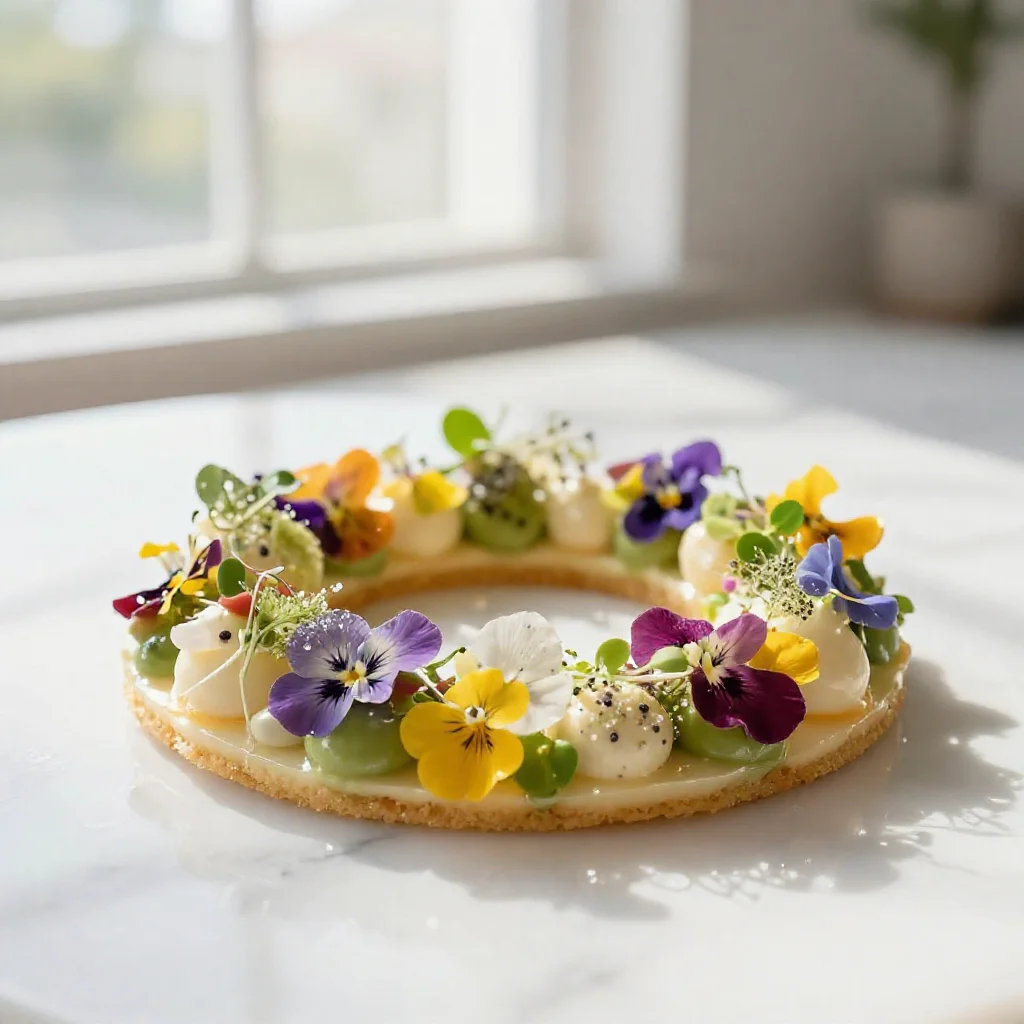
- Once cooled or ready to serve, artfully place small edible flowers (pansies, violas, small rosebuds) on top.
- This instantly makes any dessert look professionally decorated and special, perfect for a dinner party or just a treat for the family.
4. Floral Vinaigrettes & Dressings
- Gently infuse olive oil or white wine vinegar with a handful of clean, dry edible flower petals (like rose or lavender) for a few days in a sealed jar.
- Strain the petals out, and you have a beautifully scented base for your dressings.
- Combine with other ingredients to make a unique vinaigrette, or try adding a few petals directly to a creamy lemon vinaigrette for an immediate pop of color and subtle flavor.
Olivia’s Pro Tips for Edible Flowers
- **Source Safely:** This is the most important tip! Only consume flowers that you are 100% sure are edible and have been grown without pesticides or chemicals. Never pick flowers from roadsides or florists, as they are often chemically treated.
- **Wash Gently:** Before using, gently rinse flowers under cool water. Pat them very carefully with a paper towel to dry.
- **Store Smart:** Keep your edible flowers fresh by storing them in an airtight container lined with a slightly damp paper towel in the refrigerator. They usually last a few days. This is just like how I store my prepped veggies in **Tupperware**!
- **Taste Test First:** Some flowers have stronger flavors than others. If you’re unsure, try a small petal first to get an idea of its taste before adding a large quantity to your dish.
Variations & Substitutions for Your Edible Floral Dishes
The world of edible flowers is vast and exciting! Don’t be afraid to experiment with different varieties to find what you love most. Each flower offers its own unique profile:
- If you can’t find nasturtiums, try **chive blossoms** for a savory, oniony note in salads or scrambled eggs.
- For a sweet, delicate touch, if violas aren’t available, **borage flowers** (with their subtle cucumber flavor) or even small, food-grade **rose petals** can be beautiful substitutes for desserts and drinks.
- Consider combining different colors and textures! A mix of yellow calendula and purple pansies can create a stunning visual impact on a simple soup or appetizer. Think about the existing flavors in your dish and choose flowers that will complement them, not overpower.
Your Edible Flower Questions Answered
Q1: What are the safest edible flowers for beginners?
A: Pansies, violas, nasturtiums, calendula, and rose petals are all excellent choices for those new to cooking with flowers. They are widely recognized as edible and generally have pleasant, mild flavors.
Q2: Can I use flowers from a florist or garden center?
A: **No, absolutely not!** Flowers from florists or most garden centers are typically treated with pesticides and chemicals not safe for human consumption. Always source edible flowers from a reputable grower, your own pesticide-free garden, or specialty food stores.
Q3: How do I store edible flowers to keep them fresh?
A: The best way to store them is in an airtight container lined with a slightly damp paper towel. Place them gently in the refrigerator. They typically last for 2-4 days, depending on the variety.
Q4: Do edible flowers have a strong taste?
A: Most edible flowers have subtle flavors, ranging from slightly sweet to peppery, citrusy, or herbaceous. A few, like lavender, can be more potent, so it’s best to use them sparingly at first.
Bring the Garden to Your Table
Adding edible flowers to your meals is truly one of those small, **stress-free** efforts that yields a huge reward. It’s a simple way to bring unexpected beauty and delicate flavors to your table, turning everyday dishes into something truly memorable.
Whether you’re decorating a batch of muffins you baked during your Sunday **batch-cooking** session or sprinkling them over a weeknight salad, these natural gems add a touch of magic. I encourage you to give them a try and see how effortlessly they can elevate your cooking.
Happy cooking, and enjoy the beauty!
Floral Lemonade
Ingredients
Method
- To make the floral simple syrup, combine 1 cup water and granulated sugar in a small saucepan. Heat over medium heat, stirring until the sugar is completely dissolved. Remove from heat and stir in the rose water (or add rose petals and let steep for 10 minutes, then strain).
- In a large pitcher, combine the cooled floral simple syrup, fresh lemon juice, and 3 cups of cold water. Stir well to combine.
- Fill glasses with ice. Pour the floral lemonade over the ice. Garnish each glass with a sprig of fresh mint or a few edible rose petals, if desired. Serve immediately.
Notes
Loved this recipe? Save it to your favorite Pinterest board so you can easily find it later! ✨